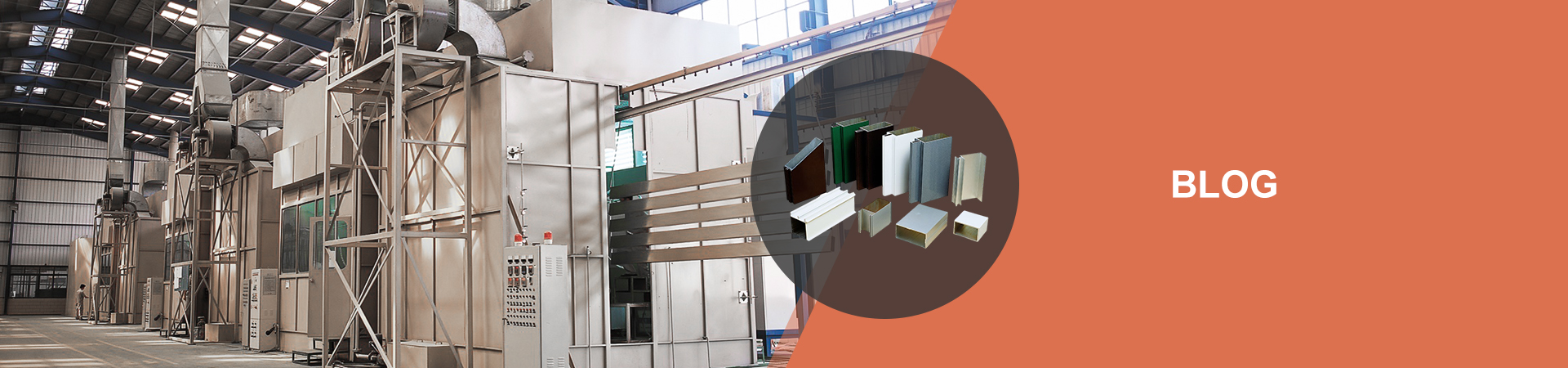
In the realm of industrial manufacturing, the humble aluminum profile has emerged as a transformative material, shaping the landscape of various industries. This article embarks on an illuminating journey, tracing the evolution of this versatile material – from its rudimentary beginnings to the cutting-edge innovations that continue to push the boundaries of engineering.
Early Foundations: The Birth of Aluminum Extrusion
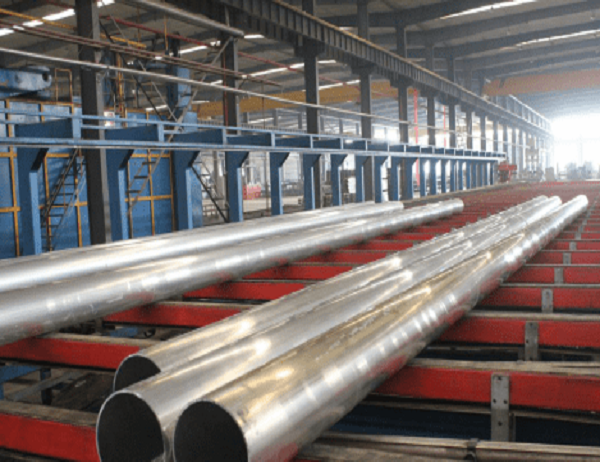
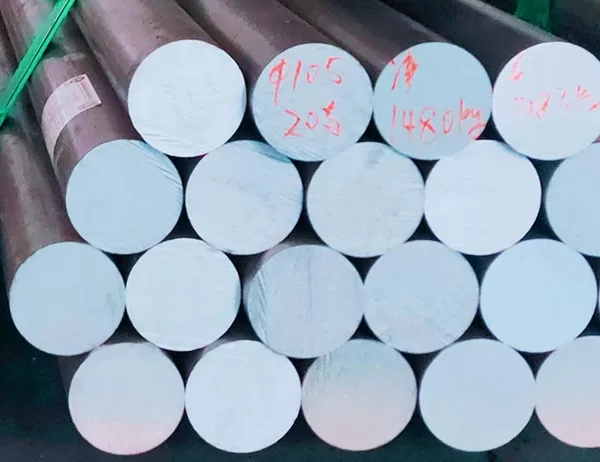
The genesis of industrial aluminum profiles can be traced back to the late 19th century. In 1890, inventor Alexander Dick invented the aluminum extrusion process, which revolutionized the production of complex and intricate shapes from aluminum billets. This breakthrough paved the way for the widespread use of aluminum profiles in construction, transportation, and other applications.
From Beams to Precision Components
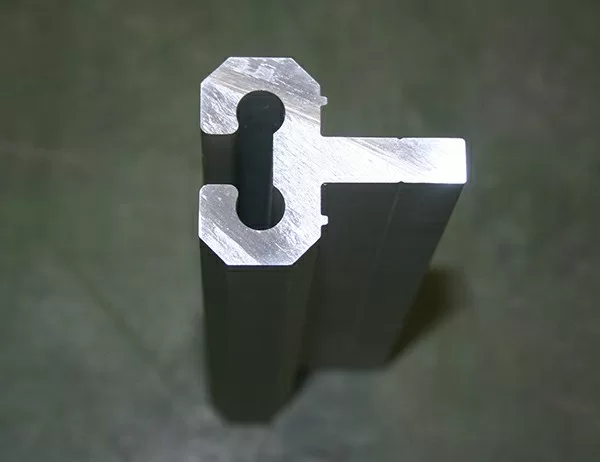
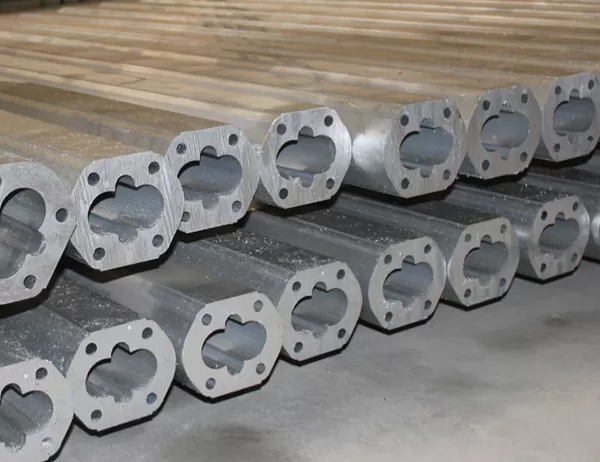
Initially, aluminum profiles were primarily used as structural components, such as beams and girders. However, as manufacturing techniques advanced, the ability to produce profiles with intricate cross-sections and precise tolerances opened up a world of new possibilities. Aluminum profiles found their niche in precision engineering, automotive parts, and electronic enclosures.
The Rise of Architectural Aluminum
In the 20th century, aluminum profiles played a significant role in the architectural landscape. Architects and designers embraced the material’s lightweight, durability, and aesthetic versatility. Aluminum window frames, curtain walls, and panels transformed the skylines of cities around the world, introducing a modern and sleek architectural style.
Contemporary Innovations: Expanding Horizons
Today, industrial aluminum profiles continue to innovate, expanding their applications into previously uncharted territories. With advanced alloys, sophisticated design software, and precision manufacturing techniques, manufacturers are pushing the boundaries of what is possible with aluminum profiles.
These innovations include the development of:
Ultra-Lightweight Profiles: Advanced alloys and innovative designs have created profiles that are exceptionally lightweight, yet strong enough to meet demanding engineering requirements.
Thermal Management Profiles: Profiles designed with integrated channels and fins facilitate efficient heat dissipation, making them ideal for applications such as electronics cooling and thermal management.
Smart Profiles: The integration of sensors and electronics into aluminum profiles is transforming the material into a “smart” platform for monitoring, control, and communication.
Conclusion
The evolution of industrial aluminum profiles has been a testament to human ingenuity and the relentless pursuit of innovation. From humble beginnings as structural components, aluminum profiles have grown into versatile and essential materials across industries. As the material continues to evolve, it promises to unlock even greater possibilities, shaping the future of engineering and design.