The Future of Aluminum Frames in Solar Technology
Introduction
As the world increasingly turns to renewable energy sources, solar technology has emerged as a promising solution. Aluminum frames play a crucial role in solar panels, providing both structural support and durability. This article explores the future prospects of aluminum frames in the rapidly evolving solar industry.
Durability and Corrosion Resistance
Aluminum frames are highly durable and corrosion-resistant, making them suitable for outdoor use in various climates. They can withstand extreme temperatures, moisture, and ultraviolet rays without compromising their integrity. This durability extends the lifespan of solar panels, reducing maintenance costs and increasing their overall efficiency.
Lightweight and Strength
Aluminum is a lightweight material, which reduces the weight of solar panels and facilitates installation. Despite being lightweight, aluminum frames offer exceptional strength, providing rigidity and stability to the panel structure. This combination of lightness and strength optimizes the overall performance of solar panels.
Design Flexibility
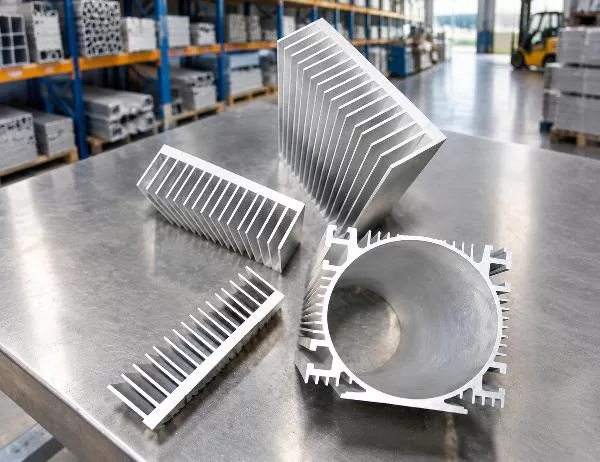
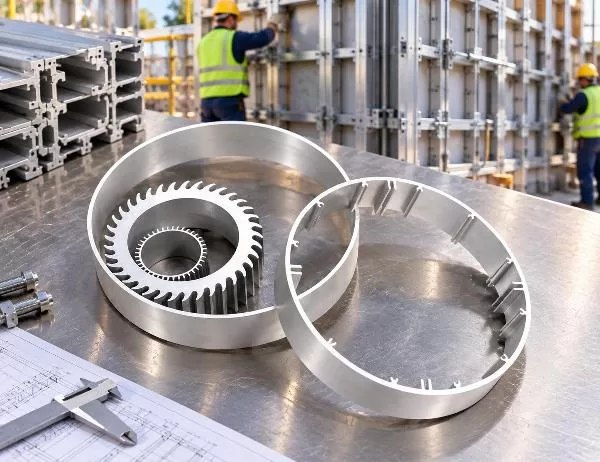
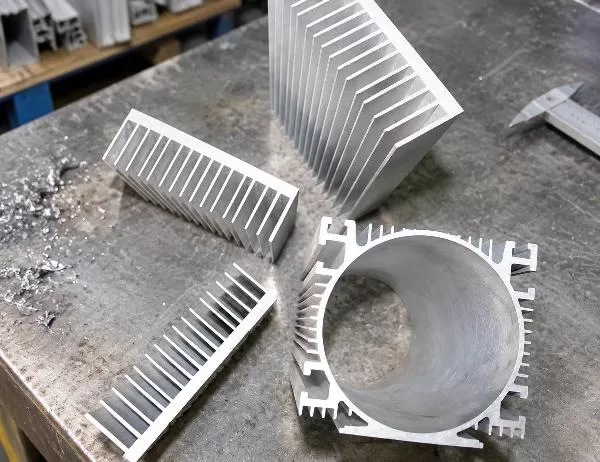
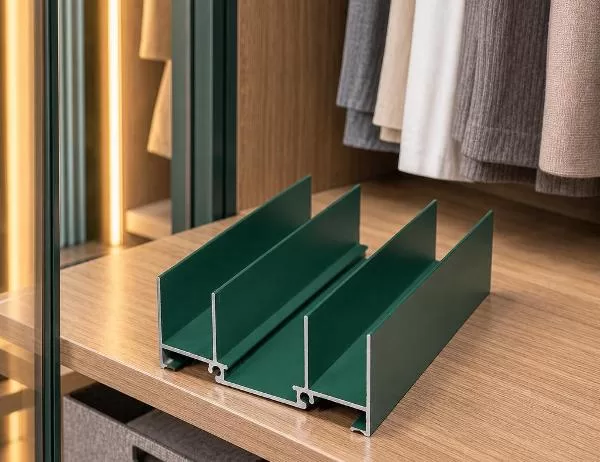
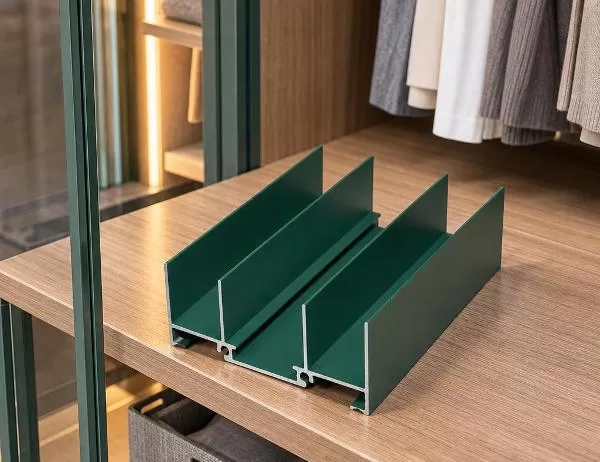
Aluminum can be easily shaped and extruded into various forms, enabling manufacturers to create solar frames that meet specific design requirements. This flexibility allows for the development of frames that are aesthetically pleasing, functional, and adaptable to different environments.
Sustainability and Recyclability
Aluminum is a sustainable material that can be recycled multiple times without losing its properties. This reduces the environmental impact associated with the production and disposal of solar panels. By using recycled aluminum frames, manufacturers can contribute to a circular economy while reducing waste.
Market Trends and Advancements
The market for aluminum frames in solar technology is expected to grow significantly in the coming years. Advancements in manufacturing techniques, such as extrusion and forging, have led to the development of stronger and more lightweight frames. Additionally, the increasing demand for solar energy in residential, commercial, and industrial applications is fueling the growth of this market.
Innovation and Future Prospects
Research and development efforts are ongoing to further improve the performance of aluminum frames in solar technology. Some promising areas of innovation include:
– Composite Frames: Combining aluminum with other materials, such as fiberglass or carbon fiber, to create composite frames with enhanced strength and weight reduction.
– Smart Frames: Incorporating sensors and electronics into the frame to monitor performance, optimize panel orientation, and detect potential issues.
– Integrated Energy Storage: Designing frames that incorporate energy storage devices, allowing for the storage and release of excess solar energy.
Conclusion
Aluminum frames are essential components of solar panels, providing durability, strength, design flexibility, sustainability, and recyclability. As the solar industry continues to expand and evolve, the demand for high-performance aluminum frames is expected to increase. Innovation and advancements in manufacturing techniques will pave the way for the development of frames that are even more efficient, sustainable, and versatile, supporting the growth and widespread adoption of solar technology in the future.