As industries across various sectors strive for lightweight, durable, and corrosion-resistant materials, aluminum alloy pipes have emerged as a promising choice. The future of aluminum alloy pipes holds immense potential, driven by cutting-edge trends and innovations that are transforming their applications and capabilities.
Enhanced Strength and Durability
Aluminum alloys are renowned for their strength-to-weight ratio, making them ideal for applications where lightweight and durability are paramount. Advances in alloying techniques and heat treatments have significantly improved the strength and durability of aluminum alloy pipes, enabling them to withstand higher pressures and stresses. This enhanced performance opens up new possibilities in industries such as aerospace, automotive, and construction.
Corrosion Resistance
The inherent corrosion resistance of aluminum alloys has long been a key advantage for their use in pipes. However, ongoing research and development have further enhanced this property, making aluminum alloy pipes highly resistant to a wide range of corrosive environments. This eliminates the need for protective coatings or expensive alloys, reducing maintenance costs and extending the lifespan of pipelines.
Lightweight Design
The lightweight nature of aluminum alloy pipes makes them a preferred choice for applications where weight reduction is essential. In aerospace, aluminum alloy pipes are used to minimize aircraft weight, improving fuel efficiency and enhancing performance. Similarly, in automotive industries, lightweight aluminum alloy pipes contribute to reduced vehicle weight, maximizing fuel economy and minimizing emissions.
Seamless and Welded Technology
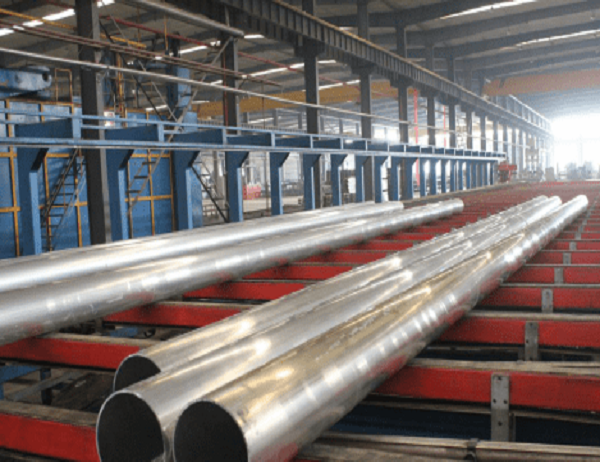
Advanced manufacturing techniques have enabled the production of seamless and welded aluminum alloy pipes with superior quality and reliability. Seamless pipes offer a continuous structure without any welds, providing exceptional strength and resistance to leaks. Welded pipes, on the other hand, utilize advanced welding technologies to produce high-strength joints with minimal defects. This improved welding capability has expanded the applications of aluminum alloy pipes in sectors such as oil and gas pipelines and industrial fluid systems.
Sustainable and Recyclable
Aluminum alloy pipes are highly sustainable and recyclable, minimizing their environmental impact. The lightweight design reduces transportation emissions, while the recyclability of aluminum ensures that pipes can be reused and reprocessed, reducing material waste and conserving valuable resources. The adoption of aluminum alloy pipes contributes to circular economy principles and supports the transition to a more sustainable future.
Conclusion
The future of aluminum alloy pipes is brimming with possibilities driven by emerging trends and innovations. Enhanced strength, improved corrosion resistance, lightweight design, seamless and welded technology, and sustainability are key factors shaping their applications. These advancements are opening doors to new markets and expanding the potential of aluminum alloy pipes in various industries. As the world progresses towards a sustainable and innovative future, aluminum alloy pipes are poised to play a vital role in shaping our technological and infrastructural landscape.