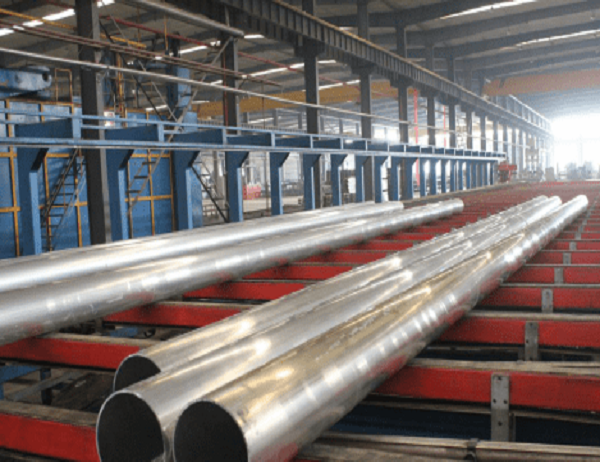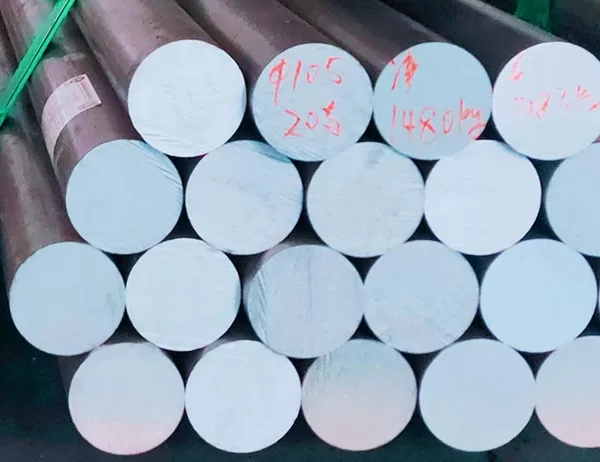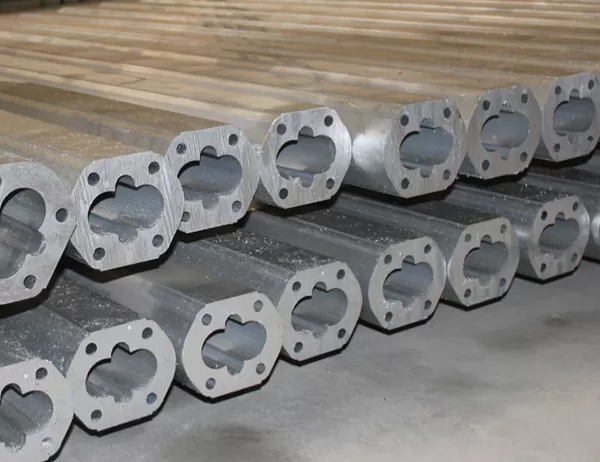
In an era where lightweight, durable, and eco-conscious materials reign supreme, aluminum alloy tubing is poised to revolutionize industries far and wide. As technology bounds forward, the boundaries of what’s possible with this versatile material continue to expand.
Sustainability in the Spotlight
The sustainability imperative is driving the development of aluminum alloy tubing. With its low carbon footprint, recyclability, and longevity, it’s an ideal choice for environmentally responsible applications. From automotive parts that reduce emissions to wind turbine towers that harness clean energy, aluminum alloy tubing is playing a pivotal role in the transition to a greener future.
Advanced Strength and Formability
Recent innovations have yielded aluminum alloy tubing with exceptional strength-to-weight ratios. These materials are able to withstand higher loads and stresses without sacrificing weight or durability, unlocking possibilities for lighter and more efficient structures in everything from aircraft to medical devices. Additionally, advances in forming techniques enable aluminum alloy tubing to be manipulated into intricate shapes, empowering designers to create innovative and elegant products.
Integration and Multifunctionality
The future of aluminum alloy tubing lies in its ability to be integrated with other materials and perform multiple functions. By combining it with composite materials, for example, engineers can create structures with enhanced stiffness and impact resistance. Additionally, smart tubing technologies allow aluminum alloy tubing to sense environmental conditions, monitor performance, and even self-repair, opening up vast possibilities for autonomous systems.
Market Trends and Applications
The automotive industry is a major driver of aluminum alloy tubing demand, with its use in lightweighting efforts to improve fuel efficiency. Likewise, construction and infrastructure projects are increasingly utilizing aluminum alloy tubing for its strength, durability, and resistance to corrosion. In the aerospace sector, aluminum alloy tubing is essential for reducing weight and enhancing aircraft performance.
Conclusion:
The future of aluminum alloy tubing is a vibrant tapestry of innovation and sustainability. As materials science continues to evolve, this versatile material will play an increasingly vital role in shaping our world. From lightweight and efficient transportation to sustainable infrastructure and next-generation technologies, aluminum alloy tubing is poised to transform industries and empower a brighter, more innovative future.