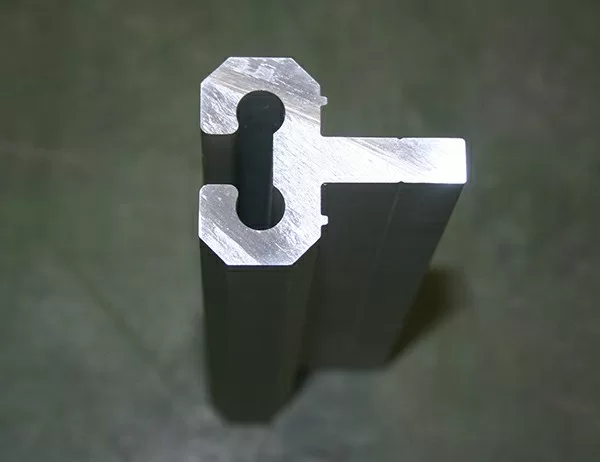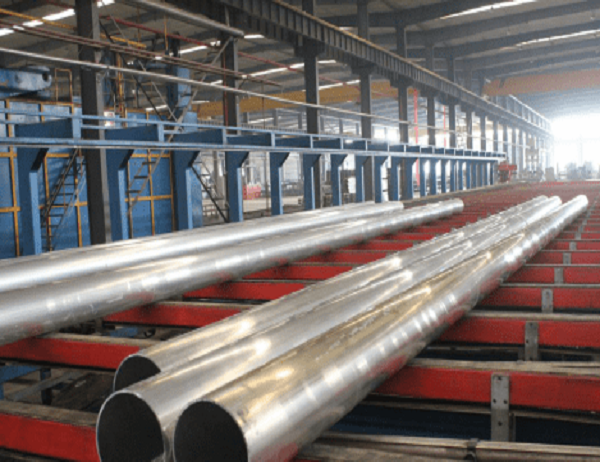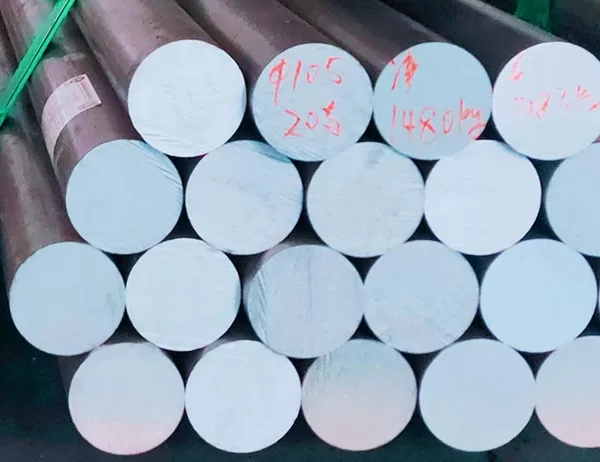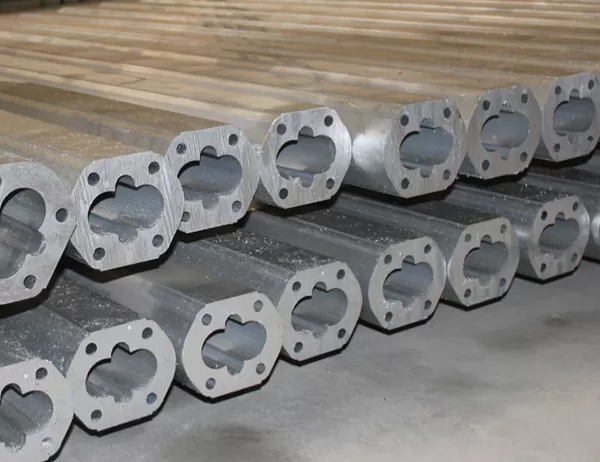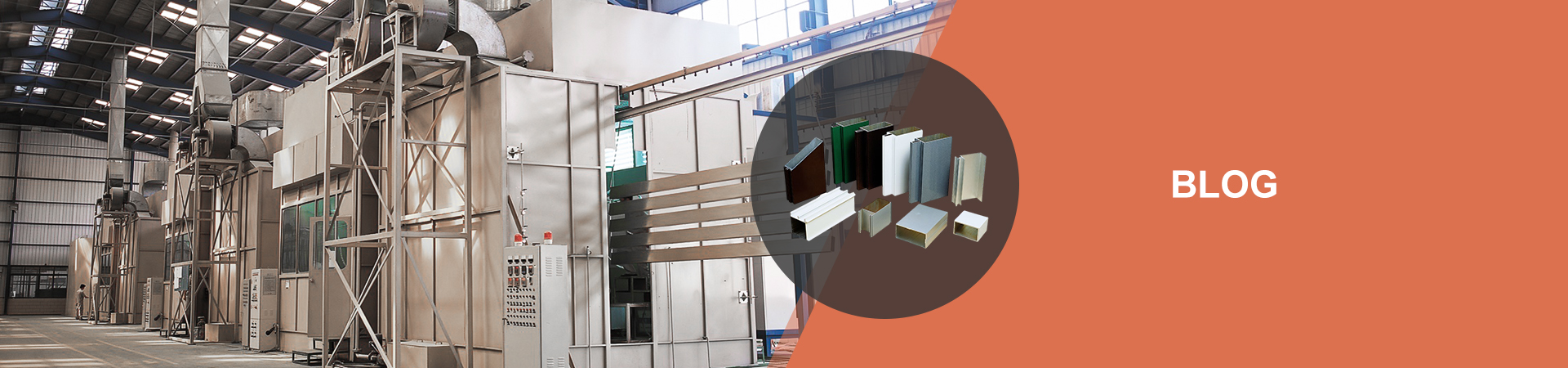
In the realm of modern manufacturing, extruded aluminum tubes continue to shape industries, offering unparalleled versatility and performance. As we peer into the horizon, the future of these remarkable components promises to be even more groundbreaking, fueled by emerging trends and cutting-edge innovations.
Sustainability and Circularity:
Environmental stewardship is at the forefront of industry advancements. Extruded aluminum tubes are inherently sustainable due to their lightweight, durability, and recyclability. Future innovations will focus on enhancing circularity, maximizing the use of recycled materials and minimizing waste.
Advanced Alloys and Coatings:
Material science is pushing the limits of aluminum alloys. Newer alloys with enhanced strength, corrosion resistance, and thermal conductivity will enable the production of tubes that withstand demanding applications. Advanced coatings will further protect tubes from wear, corrosion, and harsh environments.
Lightweighting and Structural Optimization:
The relentless pursuit of weight reduction drives industries from aerospace to automotive. Extruded aluminum tubes play a pivotal role in lightweighting, enabling the design of strong yet lightweight structures. Innovations in extrusion techniques and topology optimization will unlock even greater weight savings.
Surface Treatments and Aesthetics:
In addition to functionality, extruded aluminum tubes also enhance the aesthetics of products. Advanced surface treatments, such as anodizing, powder coating, and etching, will expand the range of finishes and textures available. These treatments will not only enhance appearance but also improve durability and corrosion resistance.
Smart Technologies:
The integration of smart technologies is transforming manufacturing and product design. Extruded aluminum tubes can be equipped with sensors and actuators to monitor strain, temperature, and fluid flow. This real-time data enables predictive maintenance, optimizing performance and extending lifespan.
Additive Manufacturing:
Additive manufacturing, also known as 3D printing, is opening up new possibilities for extruded aluminum tubes. By combining extrusion technology with additive manufacturing, it becomes possible to create complex geometries and integrate additional features, such as fluid channels or intricate patterns.
Conclusion:
The future of extruded aluminum tubes is bright, driven by a convergence of sustainability, advanced materials, lightweighting, aesthetics, and smart technologies. These trends and innovations will empower manufacturers to create innovative and high-performance products that shape the industries of tomorrow. As we harness the potential of these remarkable components, the possibilities are truly limitless.