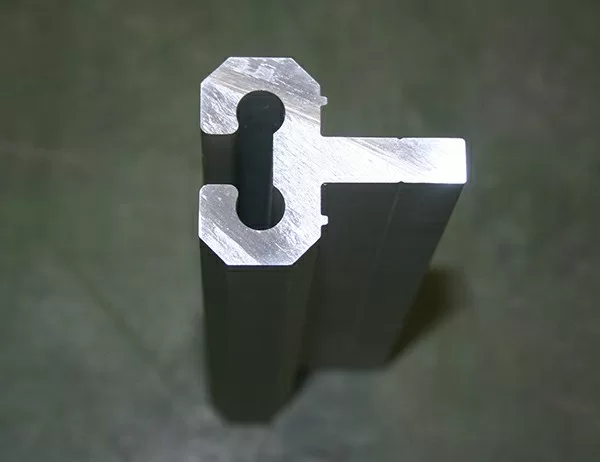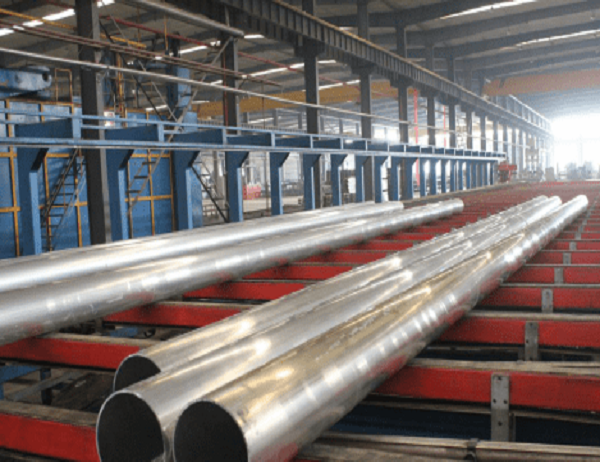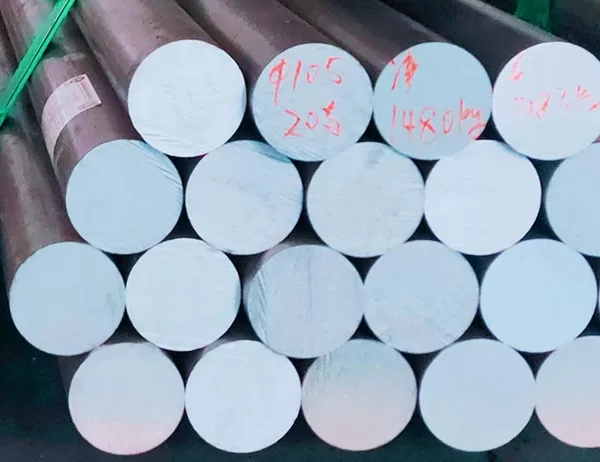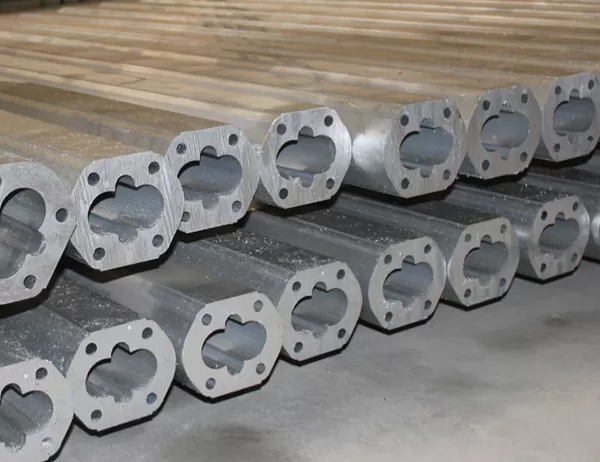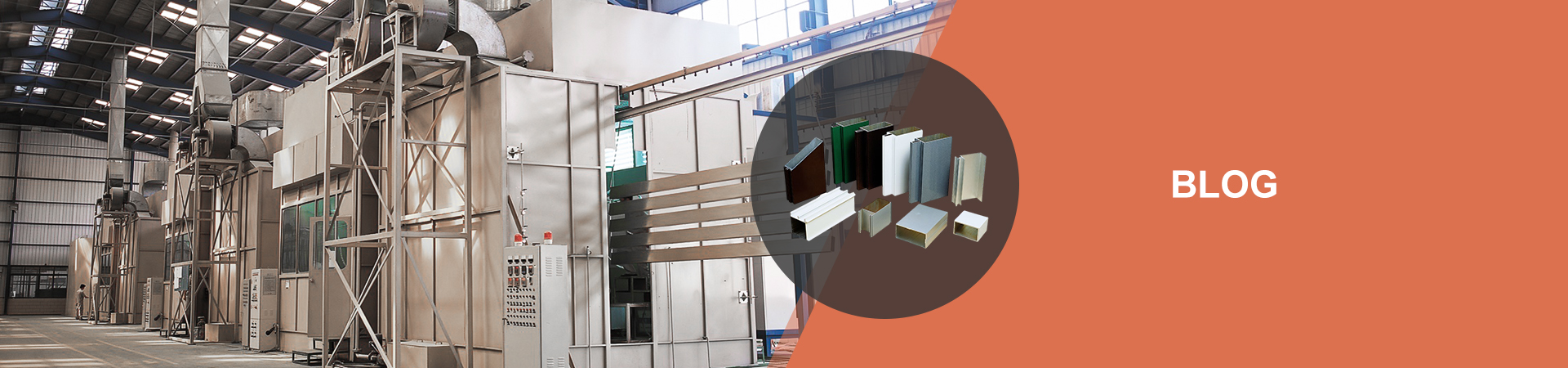
In the realm of industrial materials, extruded aluminum tubes stand as a cornerstone of innovation. Their unique properties and versatility have propelled them to the forefront of industries ranging from construction to aerospace. As we venture into the future, it is imperative to explore the emerging trends and innovations set to shape the landscape of extruded aluminum tubes.
Advanced Alloys and Composites
The pursuit of enhanced performance is driving the development of advanced aluminum alloys and composites. These alloys exhibit exceptional strength-to-weight ratios, corrosion resistance, and thermal conductivity. By incorporating nanomaterials, researchers are further tailoring the properties of aluminum tubes to meet the demands of specific applications.
Sustainable Manufacturing
Sustainability is becoming an increasingly important factor in every industry. The extrusion process is being optimized to reduce energy consumption, minimize waste, and promote recycling. By incorporating renewable energy sources and implementing closed-loop recycling systems, manufacturers are striving to create a sustainable future for extruded aluminum tubes.
Smart Tubes
The convergence of technology and manufacturing has paved the way for smart extruded aluminum tubes. These tubes can be equipped with sensors and actuators, enabling real-time monitoring of temperature, pressure, and deformation. This allows for predictive maintenance, reduced downtime, and optimized performance.
Additive Manufacturing
Additive manufacturing, also known as 3D printing, is revolutionizing the production of extruded aluminum tubes. This technology enables the creation of complex shapes and geometries that were previously impossible to achieve using traditional manufacturing methods. Additive manufacturing also allows for customization and rapid prototyping, accelerating product development cycles.
Industry-Specific Innovations
Industries across the board are exploring the potential of extruded aluminum tubes for innovative applications. In construction, tubes are being used for lightweight structural elements and durable cladding systems. In aerospace, tubes find their niche in lightweight airframes and fuel lines. In automotive, they are employed for crash protection and cooling systems.
Concluding Remarks
The future of extruded aluminum tubes is brimming with potential and promise. Advanced alloys and composites, sustainable manufacturing, smart tubes, additive manufacturing, and industry-specific innovations will continue to shape the industry. As we embrace these trends, we can anticipate the creation of cutting-edge products, improved performance, and enhanced sustainability. The future of extruded aluminum tubes is one of innovation and limitless possibilities.