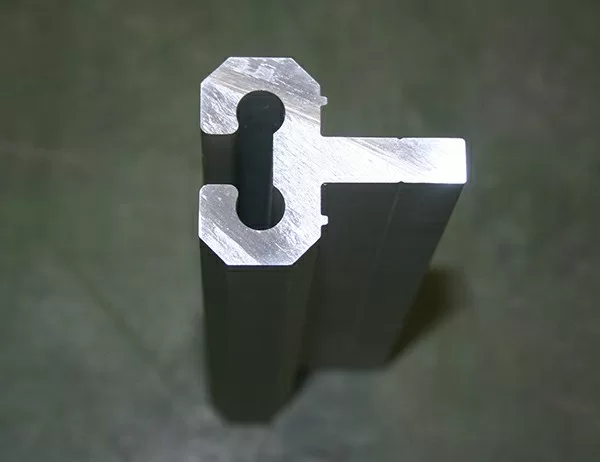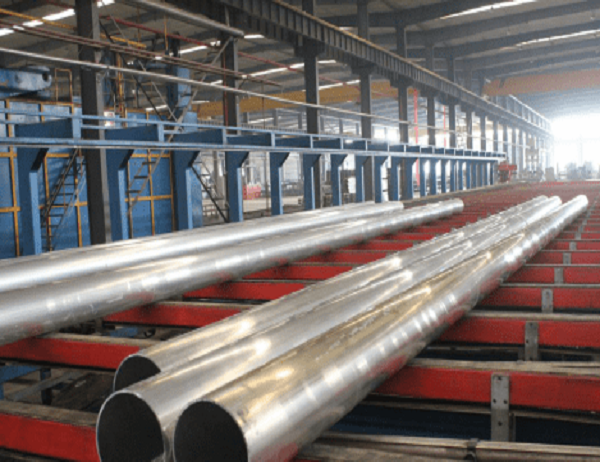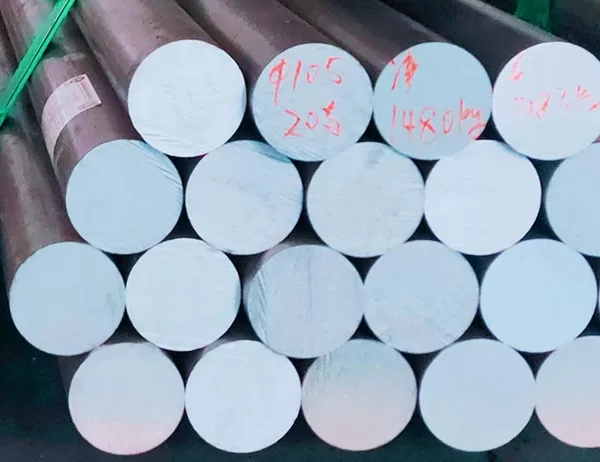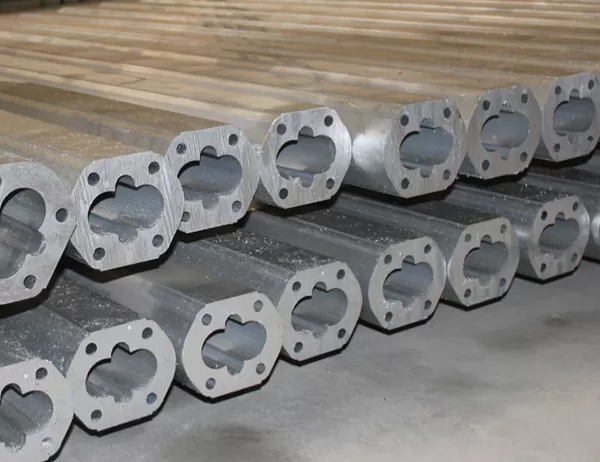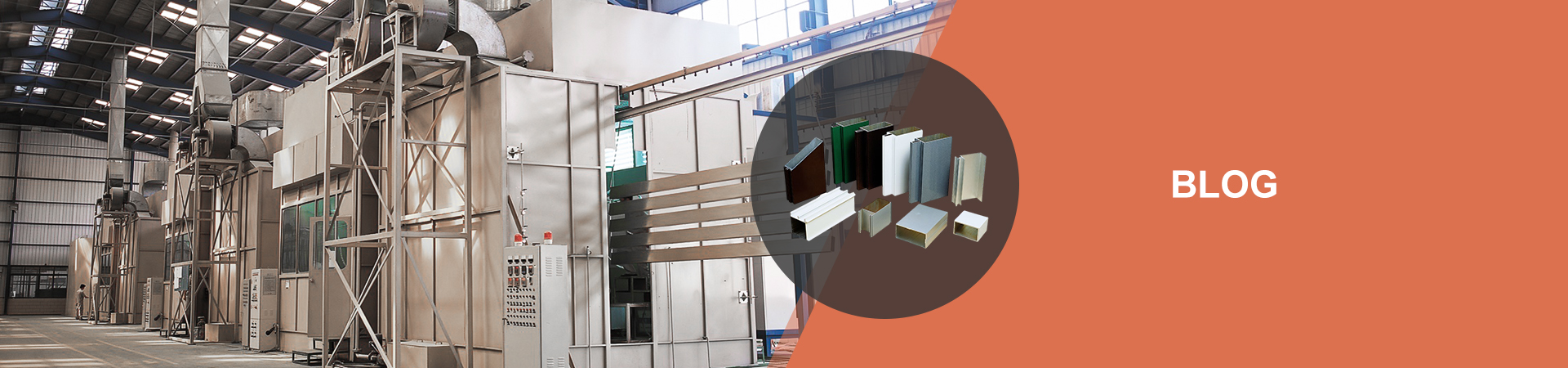
In the realm of industrial manufacturing, aluminum profiles reign supreme, shaping myriad applications from towering skyscrapers to sleek automotive components. As the frontiers of technology advance, innovative trends and cutting-edge technologies promise to transform the future of these versatile materials.
Sustainability and Carbon Neutrality
Environmental consciousness drives the future of aluminum profiles. Sustainable practices, such as lightweighting and recycling, minimize emissions and reduce the carbon footprint. New smelting technologies utilizing renewable energy sources, like solar and hydropower, will further decarbonize production processes.
Advanced Manufacturing Techniques
Precision machining and forming technologies, such as CNC bending and laser cutting, enhance precision and efficiency in profile fabrication. Automation and robotics streamline production, reducing lead times and improving cost-effectiveness. Additive manufacturing (3D printing) offers flexibility and customization, unlocking complex and intricate designs.
Smart Profiles
The integration of sensors and electronics into aluminum profiles creates “smart” materials that monitor strain, temperature, and other parameters in real-time. This enables predictive maintenance, improved safety, and enhanced performance in demanding applications.
Lightweighting and Structural Optimization
Weight reduction is crucial in various industries, from aerospace to automotive. Advanced alloys and optimized designs allow for lighter profiles without compromising structural integrity. Finite element analysis (FEA) simulations predict and optimize performance under different loading conditions.
Surface Treatments and Coatings
Advanced surface treatments, such as anodizing and powder coating, enhance corrosion resistance, durability, and aesthetics. Novel nanotechnology-based coatings provide unique properties, like self-cleaning, anti-fouling, and antimicrobial resistance.
Outlook
The future of industrial aluminum profiles is bright. Sustainability, advanced manufacturing, smart technologies, lightweighting, and innovative surface treatments converge to create a new generation of materials that will drive innovation and shape the future of industries worldwide.
By embracing these trends and leveraging technological advancements, companies can unlock new possibilities, gain a competitive edge, and contribute to a more sustainable and efficient manufacturing landscape.