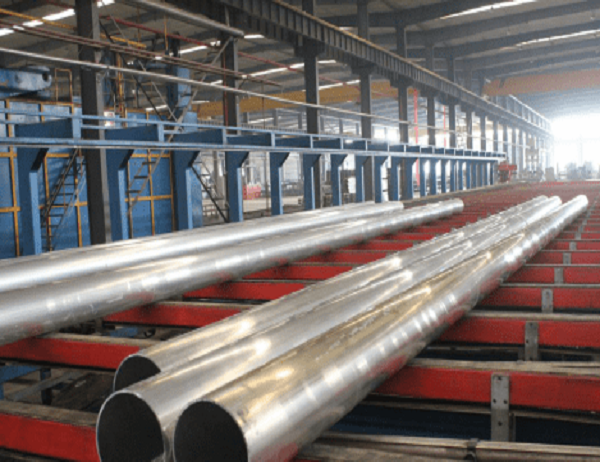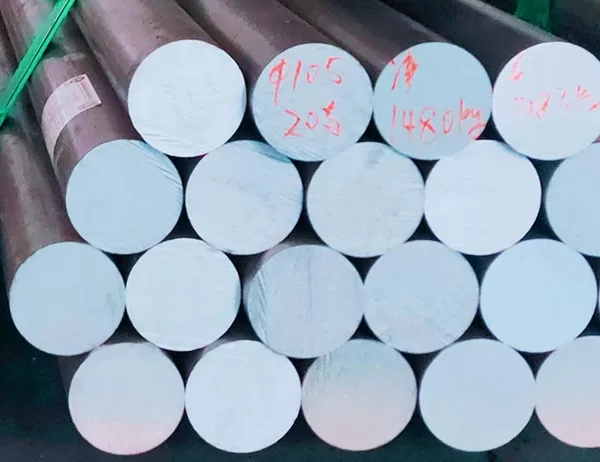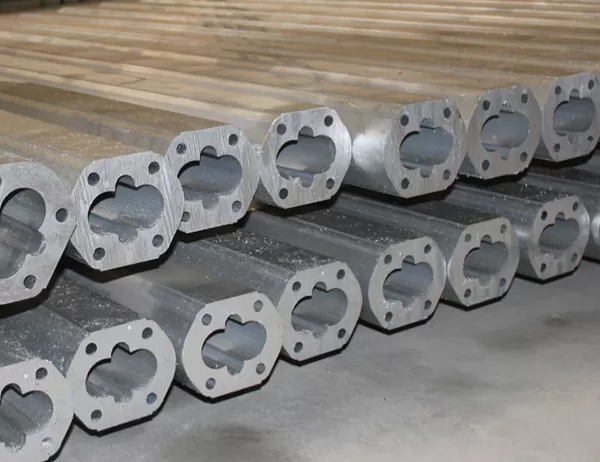
Extruded aluminium tubes have emerged as a transformative material, significantly impacting sustainable development across various industries. This article explores the multifaceted benefits of extruded aluminium tubes in promoting environmental, economic, and social sustainability.
Extruded aluminium tubes offer numerous environmental benefits. Aluminium is a lightweight, strong, and durable material that can be repeatedly recycled without compromising its properties. This reduces the need for virgin aluminium extraction, conserving natural resources and minimizing mining waste. Additionally, extruded aluminium tubes are non-toxic and fully recyclable, making them a responsible choice for environmental protection.
Aluminium tubes contribute to energy efficiency in buildings. Their high thermal conductivity and lightweight nature make them ideal for heat exchangers and air conditioning systems, reducing energy consumption. Moreover, their longevity and durability minimize the need for frequent replacements, reducing the environmental impact associated with manufacturing and disposal.
Extruded aluminium tubes offer significant economic advantages. Their strength and durability make them suitable for applications where lightweight and corrosion resistance are crucial, such as transportation and construction. This reduces maintenance costs and extends the lifespan of products, leading to reduced waste and lower overall expenses.
The recyclability of extruded aluminium tubes creates a valuable secondary material market. Aluminium scrap can be reintroduced into the production process, minimizing waste and reducing production costs. This closed-loop system promotes resource efficiency and creates economic opportunities for recycling businesses.
Extruded aluminium tubes contribute to social sustainability in several ways. Their use in healthcare applications, such as medical devices and pharmaceutical packaging, enhances patient safety and improves access to essential healthcare services. Additionally, their durability and lightweight properties ensure the safe and efficient transportation of food, beverages, and other consumer goods.
The recyclability of extruded aluminium tubes fosters a culture of environmental stewardship among users. By encouraging consumers to participate in recycling programs, communities can reduce waste, conserve resources, and promote responsible environmental practices. Moreover, the economic benefits of recycling create employment opportunities and support local economies.
Conclusion
Extruded aluminium tubes play a substantial role in promoting sustainable development. Their environmental, economic, and social benefits contribute to resource conservation, cost savings, and enhanced well-being. As the demand for sustainable solutions continues to rise, extruded aluminium tubes are poised to remain a critical material for a greener and more sustainable future.