Introduction
In the realm of modern industry, the advent of industrial aluminum profiles has revolutionized the way we approach manufacturing, construction, and engineering. These versatile and durable materials have fostered unprecedented advancements across various sectors, transforming the landscape of industrial practices. This essay will delve into the profound impact of industrial aluminum profiles on modern industry, exploring their multifaceted contributions from various perspectives.
Durability and Strength
Industrial aluminum profiles are renowned for their exceptional durability and strength. Unlike traditional materials, they resist corrosion, rust, and degradation, ensuring longevity in even the most demanding environments. Their high strength-to-weight ratio makes them suitable for applications requiring both structural integrity and weight efficiency, from aerospace components to architectural frameworks.
Versatility and Formability
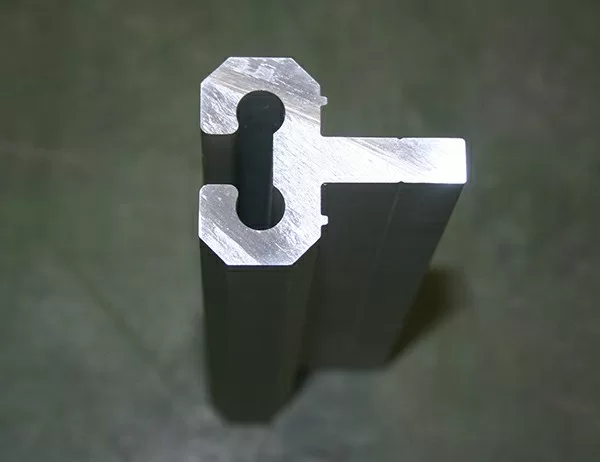
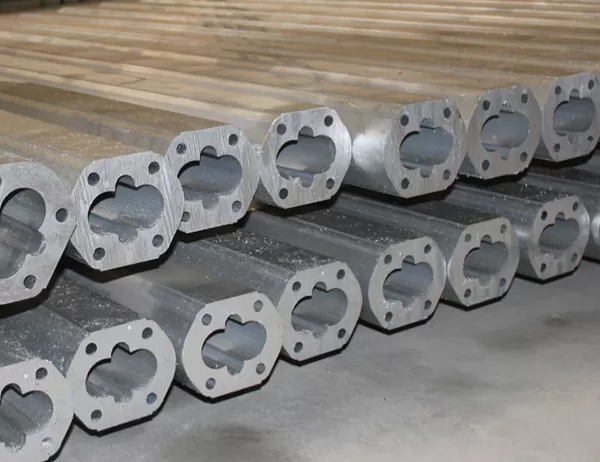
Aluminum profiles exhibit remarkable versatility, lending themselves to a wide range of shapes, sizes, and configurations. Manufacturers can customize these profiles to suit specific needs, creating intricate designs that enhance functionality and aesthetics. Their malleability allows for complex bends, curves, and extrusions, opening up new possibilities for innovative product development.
Lightweight and Conductivity
Industrial aluminum profiles are incredibly lightweight, reducing the overall weight of structures and products. This property is particularly advantageous in aerospace applications, where every pound saved translates to increased fuel efficiency. Additionally, aluminum’s excellent thermal and electrical conductivity make it an ideal choice for applications involving heat transfer, lighting, and electronic circuits.
Sustainability and Environmental Impact
The environmental consciousness of modern industry has brought sustainability to the forefront. Industrial aluminum profiles are highly recyclable, contributing to a circular economy and reducing waste. Their durability and resistance to degradation extend product lifespans, further minimizing environmental impact. Moreover, aluminum production has become increasingly energy-efficient, reducing the carbon footprint associated with its manufacturing.
Aesthetics and Design Flexibility
Beyond their functional properties, industrial aluminum profiles offer aesthetic appeal and design flexibility. Their sleek and modern appearance complements contemporary design trends, making them suitable for architectural facades, interior fittings, and consumer electronics. With the ability to incorporate anodized finishes, powder coatings, and other surface treatments, aluminum profiles provide endless Möglichkeiten for customization and visual impact.
Concluding Remarks
Industrial aluminum profiles have revolutionized modern industry, fostering advancements in various sectors. Their durability, strength, versatility, lightweight, conductivity, sustainability, and aesthetic appeal make them an indispensable material for a wide range of applications. As technology continues to evolve, we can expect to witness even more groundbreaking innovations enabled by these remarkable profiles, shaping the future of industry with unprecedented possibilities.