Introduction:
In the realm of contemporary engineering, the advent of T6 aluminum pipes has precipitated a transformative shift, revolutionizing the construction and design of countless critical systems. This article endeavors to illuminate the profound impact of these remarkable materials, exploring their versatile capabilities and the myriad industries they have propelled forward.
Exceptional Properties:
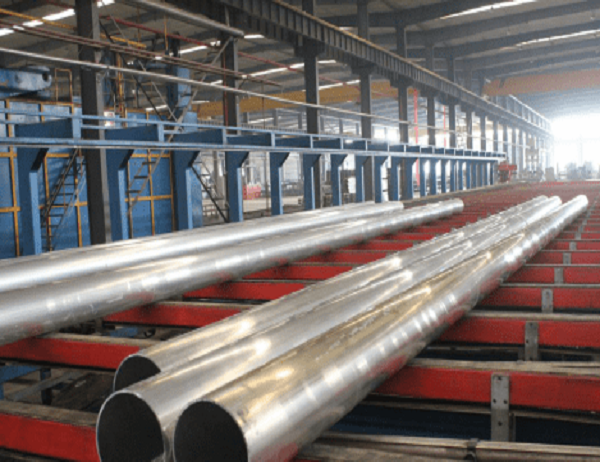
T6 aluminum pipes boast an unparalleled combination of strength, lightness, and corrosion resistance. Their high tensile strength enables them to withstand substantial loads and pressures, while their low density minimizes weight, contributing to increased fuel efficiency and maneuverability in applications such as aerospace and automotive engineering. Moreover, their resistance to corrosion ensures their longevity and reliability in even the most demanding environments.
Industrial Applications:
The versatility of T6 aluminum pipes has found applications across a broad spectrum of industries:
Aerospace: T6 aluminum pipes are extensively employed in aircraft fuselages, wings, and other structural components due to their lightweight and high strength. Their corrosion resistance enables them to withstand harsh aviation conditions.
Automotive: The automotive industry utilizes T6 aluminum pipes for engine blocks, body panels, and exhaust systems. Their lightweight properties enhance vehicle performance, while their corrosion resistance ensures durability in all climates.
Construction: In the construction industry, T6 aluminum pipes serve as lightweight and durable scaffolding, handrails, and structural supports. Their resistance to corrosion makes them ideal for both indoor and outdoor applications.
Chemical and Petrochemical: T6 aluminum pipes are widely used in chemical and petrochemical industries for piping systems, reactors, and heat exchangers. Their corrosion resistance and ability to withstand high temperatures and pressures enhance safety and efficiency.
Sustainability Considerations:
T6 aluminum pipes contribute to sustainability by being recyclable and energy-efficient. Recycling aluminum requires significantly less energy than producing it from raw materials, reducing the environmental footprint of manufacturing. Additionally, the lightweight properties of T6 aluminum pipes support fuel conservation, contributing to lower carbon emissions.
Conclusion:
The impact of T6 aluminum pipes on modern engineering has been immeasurable, enabling advancements in aerospace, automotive, construction, and chemical industries. Their exceptional properties, versatility, and sustainability make them indispensable materials for designing and constructing innovative, efficient, and durable systems. As technology continues to evolve, T6 aluminum pipes will undoubtedly remain at the forefront of engineering advancements, shaping the future of our built environment.