Solar panels are an increasingly important part of the global energy mix, and aluminum alloys play a crucial role in their construction. The selection of the right alloy is critical to ensuring the performance, durability, and cost-effectiveness of solar panels.
Properties of Aluminum Alloys
Aluminum alloys offer several key properties that make them ideal for solar panel extrusions:
High strength-to-weight ratio: Aluminum alloys are lightweight yet strong, making them suitable for large-scale structures like solar panels.
Durability: Aluminum alloys are resistant to corrosion, wear, and UV radiation, ensuring long-term performance in outdoor environments.
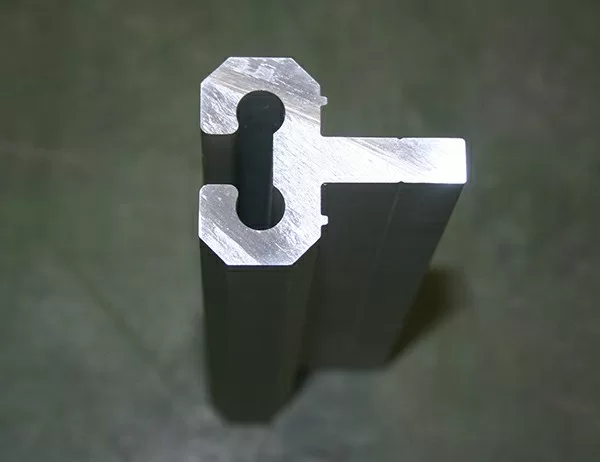
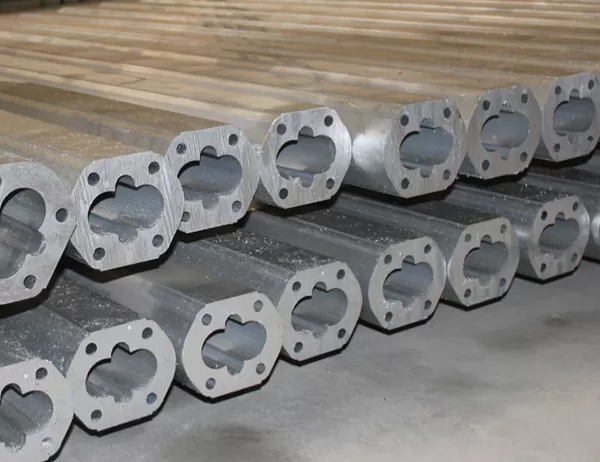
Formability: Aluminum alloys are highly formable, allowing them to be extruded into complex shapes required for solar panels.
Electrical conductivity: Aluminum alloys have high electrical conductivity, which is essential for efficient energy transfer in solar panels.
Alloy Selection Considerations
When selecting an aluminum alloy for solar panel extrusions, several factors must be considered:
Mechanical Properties
The mechanical properties of the alloy, such as tensile strength, yield strength, and fatigue resistance, will determine the structural integrity and performance of the solar panel. Alloys with higher mechanical properties are typically used for more demanding applications, such as large-scale solar farms.
Corrosion Resistance
The alloy’s resistance to corrosion is crucial in outdoor environments, where exposure to moisture and UV radiation can lead to degradation. Alloys with higher corrosion resistance, such as those with magnesium and silicon alloying elements, are preferred for coastal or humid environments.
Electrical Conductivity
The electrical conductivity of the alloy affects the efficiency of energy transfer in the solar panel. Alloys with higher conductivity, such as those with high purity aluminum, are used to minimize energy losses.
Extrusion Formability
The formability of the alloy is important for producing complex shapes required for solar panels. Alloys with good extrusion formability are easier to work with and produce consistent, high-quality extrusions.
Cost and Availability
The cost and availability of the alloy are also important considerations. Alloys with higher performance characteristics may come at a higher cost, so it’s essential to strike a balance between performance and cost-effectiveness.
Conclusion
The selection of the right aluminum alloy is crucial for the performance, durability, and cost-effectiveness of solar panel extrusions. By considering factors such as mechanical properties, corrosion resistance, electrical conductivity, extrusion formability, and cost, manufacturers can optimize their designs and ensure the long-term success of their solar panel systems.