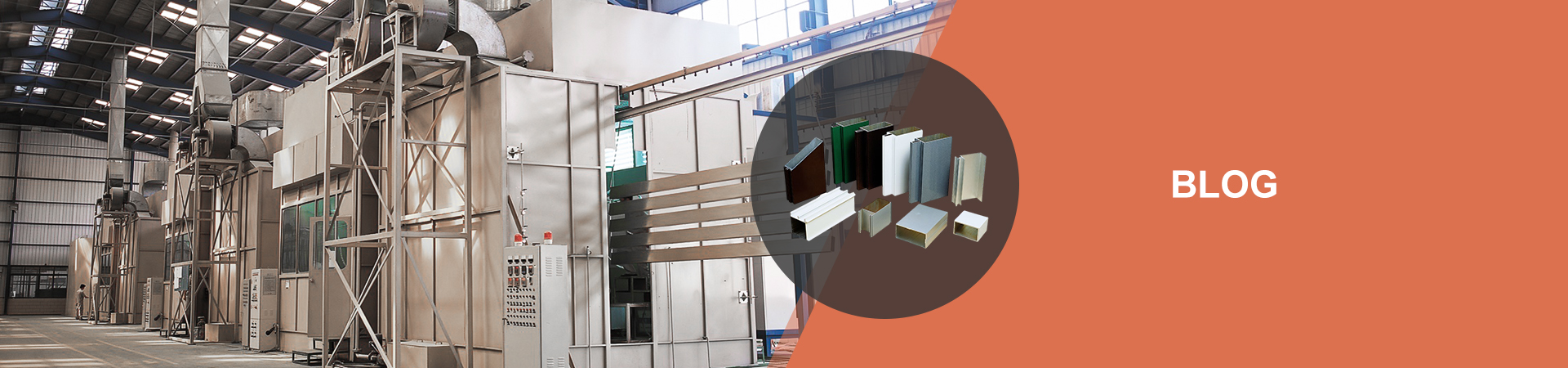
In the relentless battle against the elements, solar aluminum frames stand as the unsung heroes of photovoltaic systems. Their unwavering resilience against the ravages of corrosion is paramount for ensuring the longevity and efficiency of these vital components.
Corrosion, the insidious enemy of metal, can wreak havoc on solar frames, compromising their structural integrity and electrical conductivity. The harsh conditions in which solar panels operate – exposed to extreme temperatures, humidity, and salt spray – make them particularly vulnerable to this destructive process.
Aluminum, while renowned for its lightweight and durable nature, is not immune to corrosion. In fact, in the presence of moisture, oxygen, and dissolved salts, aluminum oxidizes, forming a porous layer that weakens the material and accelerates further deterioration. This degradation can lead to unsightly rust stains, weakened joints, and reduced lifespan for solar panels.
To mitigate these risks, solar aluminum frames are typically coated with protective treatments. These coatings can provide a barrier against moisture and oxygen, preventing corrosion from taking hold. Additionally, the coatings can enhance the frame’s durability, resistance to abrasion, and overall performance.
When selecting solar aluminum frames, it is crucial to consider the quality and durability of the protective coating. High-quality coatings, such as anodized aluminum or powder-coated finishes, provide superior corrosion resistance and can withstand the rigors of outdoor environments for decades.
The importance of corrosion resistance in solar aluminum frames cannot be overstated. By investing in durable, corrosion-resistant frames, homeowners and businesses can maximize the lifespan of their photovoltaic systems, reduce maintenance costs, and ensure optimal energy production for years to come.