Introduction
As the demand for high-performance electronics continues to grow, so too does the need for efficient heat dissipation solutions. Aluminum heat sinks have long been a mainstay in the thermal management industry, and with the rapid advancements in technology, 2024 promises to be a groundbreaking year for innovation in this field. This article explores the latest breakthroughs in aluminum heat sink technology, outlining their advantages and potential applications.
Enhanced Thermal Conductivity
Enhanced Fin Structures: Traditional heat sinks rely on linear fins to maximize surface area and promote heat transfer. In 2024, we expect to see advancements in fin design with the introduction of optimized shapes, micro-fins, and extended fin pitches. These innovations will significantly enhance the heat transfer efficiency of aluminum heat sinks.
Composite Materials: The incorporation of composite materials, such as carbon fiber and ceramics, into aluminum heat sinks has shown promising results. These materials offer exceptional thermal conductivity and can be strategically placed to create areas of high heat dissipation.
Increased Surface Area
Three-dimensional Printing: Additive manufacturing, also known as 3D printing, has revolutionized the design and fabrication of heat sinks. 3D-printed heat sinks feature complex geometries and intricate channels that increase the effective surface area, providing superior heat dissipation capabilities.
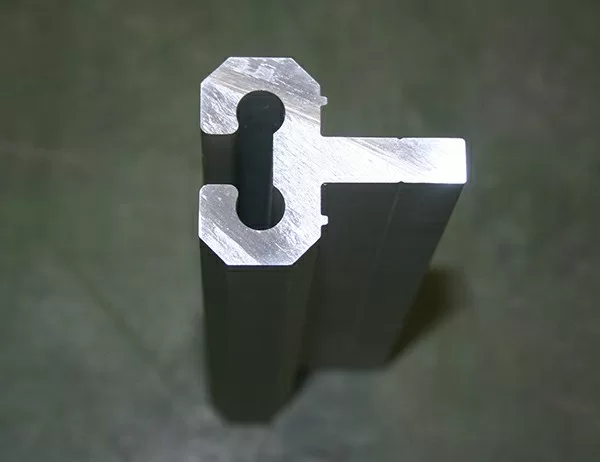
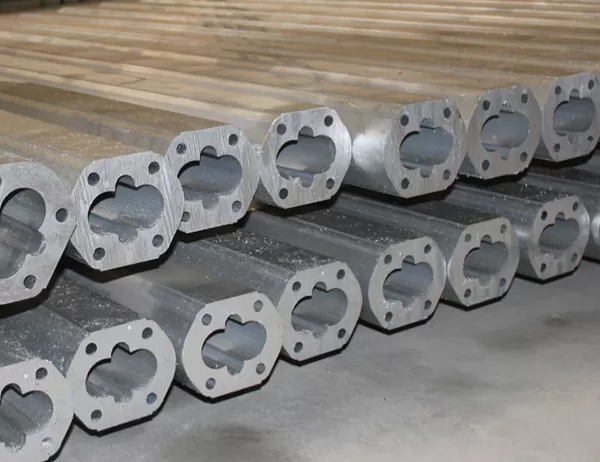
Interlocking Extrusions: Extruded aluminum profiles can be interlocking to create complex structures with increased surface area. This approach allows for the creation of custom heat sinks that conform to specific device shapes and mounting requirements, maximizing heat transfer efficiency.
Reduced Thermal Resistance
Liquid Cooling Integration: The integration of liquid cooling channels into aluminum heat sinks offers a significant reduction in thermal resistance. Liquid cooling systems circulate a high-conductivity fluid through the heat sink, rapidly absorbing and dissipating heat.
Direct Contact Heat Pipes: Direct contact heat pipes (DCHPs) form a direct thermal connection between the heat source and the heat sink. This eliminates thermal interface materials, significantly reducing thermal resistance and improving heat transfer efficiency.
Improved Aesthetics
Anodizing Techniques: Anodizing, an electrochemical process that creates a protective oxide layer on the surface of aluminum, can be used to enhance the aesthetic appeal of heat sinks. Advanced anodizing techniques offer a wide range of colors and finishes, allowing for visually appealing and functional thermal solutions.
Integrated Lighting: The incorporation of LEDs or other lighting elements into heat sinks adds a decorative touch and can be used to indicate the operating temperature or provide visual notifications.
Conclusion
The year 2024 promises to be a pivotal one for aluminum heat sink technology. With advancements in thermal conductivity, surface area, thermal resistance, and aesthetics, heat sinks will continue to play a vital role in the thermal management of high-performance electronics. These innovations will open up new possibilities for device design and optimization, enabling the development of more efficient and reliable electronic systems.