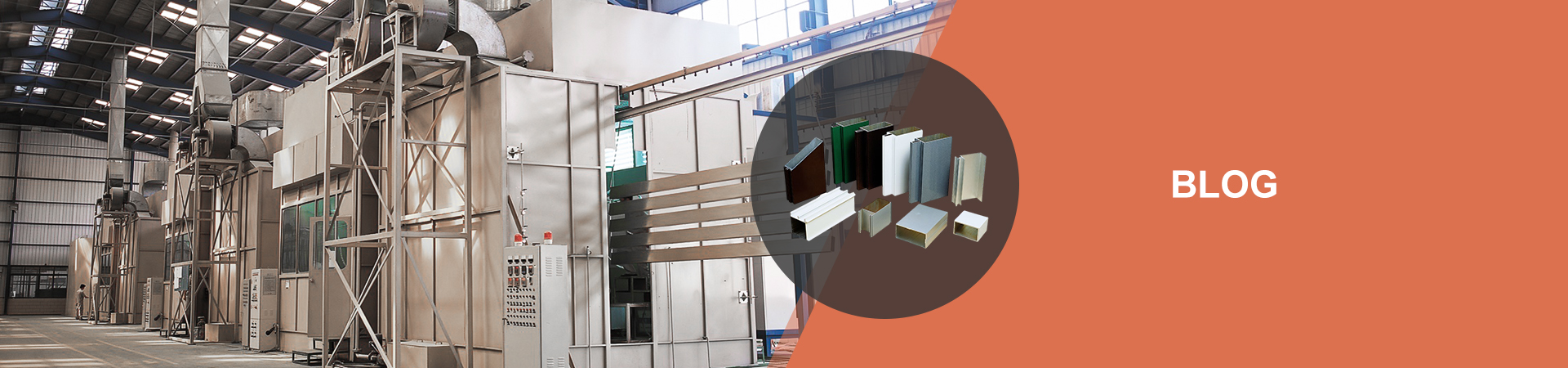
The Manufacturing Process of Aluminum Alloy Pipes Explained is an essential guide for anyone involved in the production or use of aluminum alloy pipes. This comprehensive resource provides an in-depth overview of the entire manufacturing process, from raw material extraction to final product inspection.
Raw Material Extraction
The first stage in the manufacturing process of aluminum alloy pipes is the extraction of raw materials. Aluminum is a naturally occurring element found in bauxite ore. Bauxite is mined from the ground and then processed to remove impurities. The resulting aluminum oxide is then electrolytically reduced to produce pure aluminum metal.
Alloying and Casting
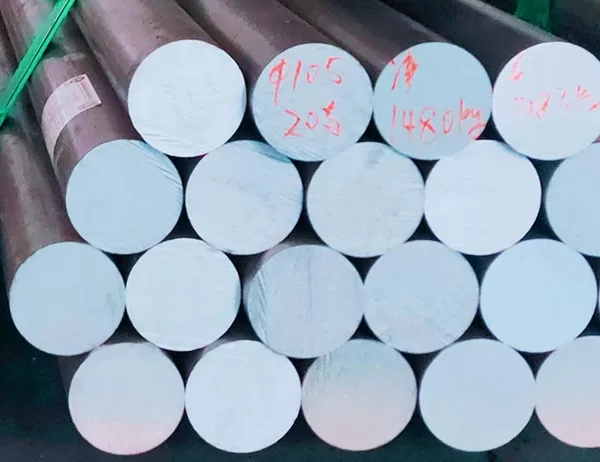
Once pure aluminum has been produced, it is alloyed with other metals to improve its strength, hardness, and corrosion resistance. Common alloying elements include copper, manganese, and magnesium. The molten aluminum alloy is then cast into ingots, which are used as the starting material for pipe production.
Extrusion
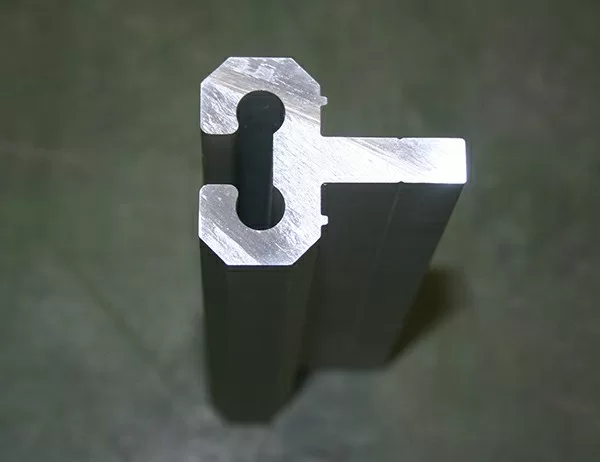
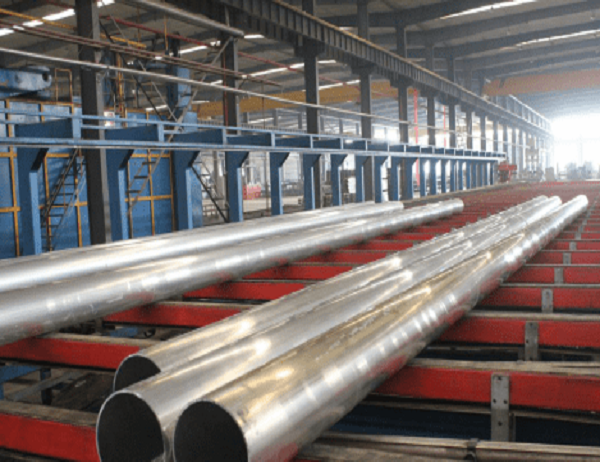
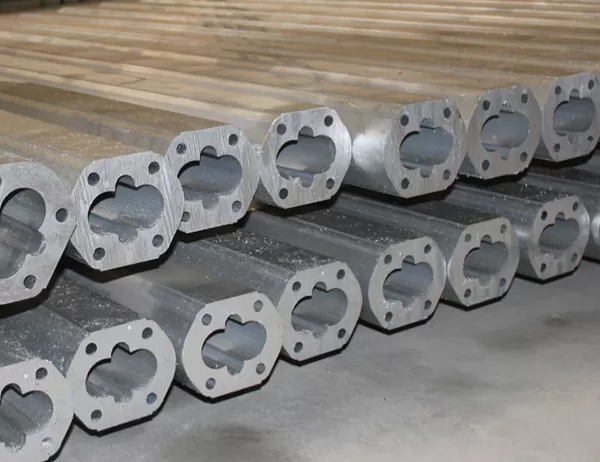
Extrusion is the process of forcing the aluminum alloy ingots through a die to create a continuous pipe shape. The die determines the shape and size of the finished pipe. The extrusion process is carried out at high temperatures and pressures, which causes the metal to flow plastically.
Finishing and Inspection
After extrusion, the aluminum alloy pipes undergo a series of finishing processes to improve their surface finish and mechanical properties. These processes may include:
– Annealing: Heating the pipes to soften them and make them more ductile.
– Cold drawing: Pulling the pipes through a die to reduce their diameter and improve their strength.
– Welding: Joining the ends of the pipes together to create longer lengths.
– Inspection: The finished pipes are inspected to ensure that they meet the required specifications for dimensional accuracy, surface quality, and mechanical properties.
Applications
Aluminum alloy pipes are used in a wide variety of applications, including:
– Pipelines for transporting fluids: Aluminum alloy pipes are used to transport a variety of fluids, including water, oil, gas, and chemicals.
– Structural components: Aluminum alloy pipes are used as structural components in buildings, bridges, and other structures.
– Automotive parts: Aluminum alloy pipes are used in automotive parts, such as exhaust systems and brake lines.
– Heat exchangers: Aluminum alloy pipes are used in heat exchangers to transfer heat between two fluids.