The Process Behind Extruding Aluminium Tubes: Shaping Metal with Precision
The extrusion process of aluminum tubes involves transforming raw aluminum billets into intricate and versatile cylindrical shapes. This intricate process requires a combination of specialized machinery, skilled craftsmanship, and meticulous attention to detail. Here’s an exploration into the multi-faceted process behind extruding aluminum tubes:
Billet Preparation: The Foundation of Quality
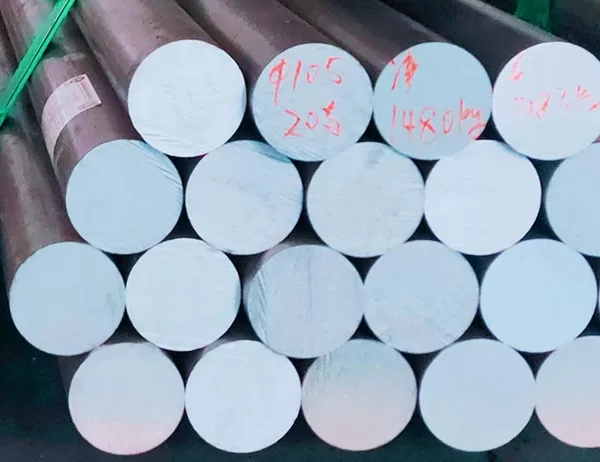
The initial stage involves preparing the aluminum billets, cylindrical blocks of pure aluminum. These billets are carefully inspected to ensure they meet stringent quality standards and are then preheated to an optimal temperature. Preheating the billets enhances the metal’s malleability, enabling it to flow more easily through the extrusion press.
Extrusion Press: Shaping Metal Under Pressure
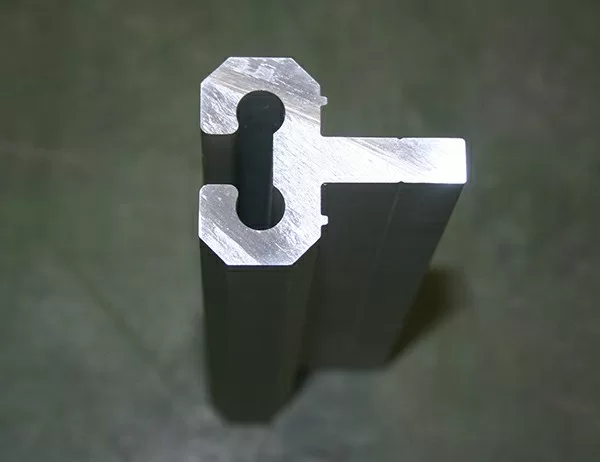
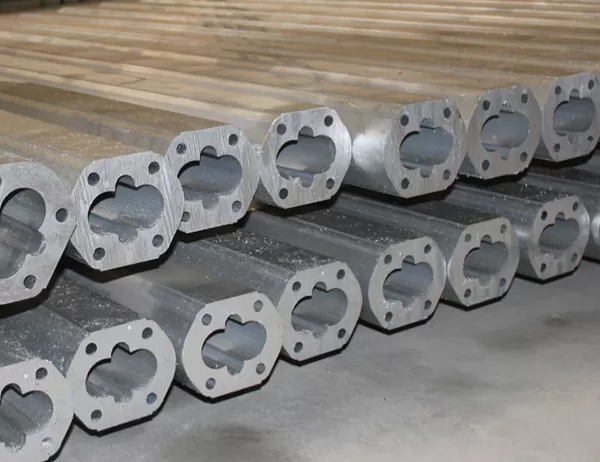
At the heart of the extrusion process lies the extrusion press, a massive machine that exerts immense force. The preheated billet is loaded into a container inside the press, which is then sealed. A hydraulic ram applies extreme pressure, forcing the molten aluminum through a die – a specially shaped opening that determines the final profile of the tube. As the aluminum flows through the die, it takes on the precise shape and dimensions desired.
Cooling and Aging: Transforming Aluminum into Shape
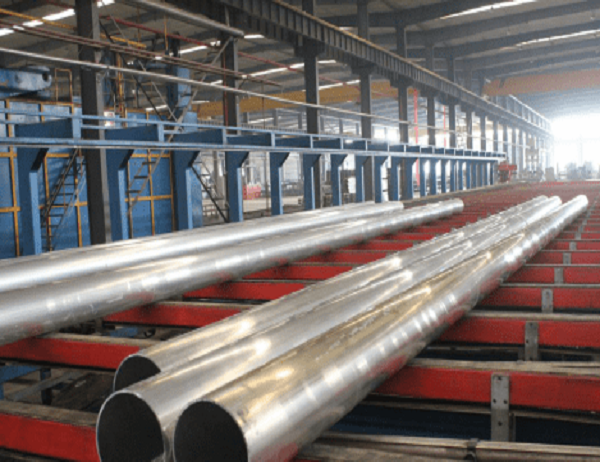
Immediately after extrusion, the newly formed tube is rapidly cooled to room temperature using water or air. This cooling process solidifies the aluminum, preventing it from warping or distorting. The cooled tubes then undergo an aging process where they are heated to a specific temperature and held for a predetermined time. Aging strengthens the tubes, enhances their mechanical properties, and stabilizes their dimensions.
Surface Finishing: Enhancing Aesthetics and Functionality
After aging, the tubes undergo various surface finishing processes to achieve the desired look and functionality. These processes include:
Annealing: Softening for Fabrication
Annealing involves heating and slowly cooling the tubes, which softens the metal and makes it more malleable. This process facilitates subsequent fabrication operations like bending or forming.
Tempering: Strengthening for Performance
Tempering is a heat treatment process that increases the strength and hardness of the tubes by controlled heating and cooling. It tailors the tubes’ properties to meet specific application requirements.
Anodizing: Enhancing Durability and Aesthetics
Anodizing involves an electrochemical process that creates a protective oxide layer on the surface of the tubes. This layer enhances the tubes’ resistance to corrosion, abrasion, and wear while simultaneously enabling vibrant color customization.
Quality Assurance: Ensuring Excellence
Throughout the entire extrusion process, rigorous quality assurance measures are implemented to ensure the tubes meet the highest standards. These measures include:
Dimensional Inspection: Precision Measurement
The tubes are meticulously inspected to verify their dimensions, ensuring they align precisely with the customer’s specifications.
Mechanical Testing: Strength Evaluation
Tensile and hardness tests assess the mechanical strength and durability of the tubes, ensuring they possess the necessary properties for their intended applications.
Non-Destructive Testing: Detecting Imperfections
Non-destructive testing methods such as ultrasonic and eddy current inspection are employed to detect any hidden flaws or imperfections within the tubes.