The Role of Aluminum Alloy Tubing in Automotive Applications
Aluminum alloy tubing has become an essential component in modern automotive design, providing a lightweight, durable, and cost-effective alternative to traditional steel and iron materials. This article explores the multifaceted role of aluminum alloy tubing in various automotive applications, highlighting its advantages and key characteristics.
Structural Applications
> Aluminum alloy tubing is widely employed in structural applications due to its high strength-to-weight ratio. In automotive chassis and frames, aluminum tubing offers excellent rigidity and torsional stiffness while significantly reducing weight. Its resistance to corrosion and fatigue ensures long-term structural integrity, even in harsh environments.
Powertrain Applications
> Aluminum alloy tubing plays a vital role in powertrain components, such as engine blocks, intake manifolds, and exhaust systems. Its lightweight nature reduces inertial forces, enhancing engine efficiency and responsiveness. Additionally, aluminum’s high thermal conductivity facilitates efficient heat transfer, aiding in engine cooling and emission control.
Fluid Handling Applications
> Aluminum alloy tubing is utilized in fluid handling systems, including fuel lines, brake lines, and coolant lines. Its corrosion resistance prevents fluid contamination, ensuring the safe and reliable operation of hydraulic and fuel systems. The flexibility of aluminum tubing allows for complex routing, accommodating various engine and chassis configurations.
Safety Applications
> Aluminum alloy tubing enhances vehicle safety in several ways. Its low weight contributes to reduced vehicle mass, improving fuel efficiency and crashworthiness. The high strength and energy absorption capabilities of aluminum tubing protect occupants in the event of a collision. Additionally, its corrosion resistance prevents structural weakening, ensuring long-term safety performance.
Manufacturing Benefits
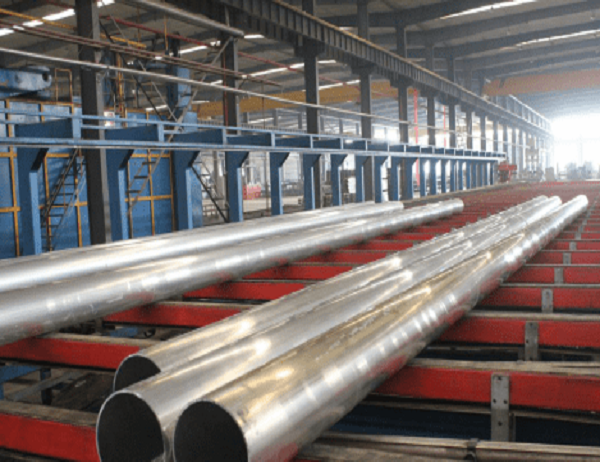
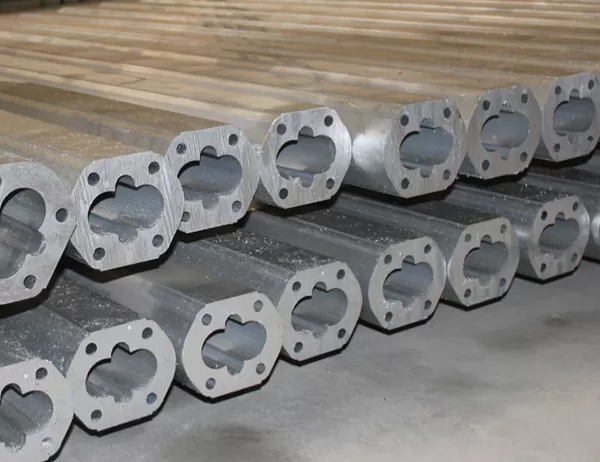
> Aluminum alloy tubing offers significant manufacturing advantages. Its ease of extrusion and fabrication allows for the production of complex shapes and geometries. The lightweight nature of aluminum reduces shipping and handling costs, while its high recyclability contributes to environmental sustainability.
Conclusion
Aluminum alloy tubing has revolutionized automotive design, providing a lightweight, durable, and versatile material for a wide range of applications. Its strength-to-weight ratio, corrosion resistance, and thermal conductivity make it an ideal material for structural, powertrain, fluid handling, and safety applications. Additionally, its manufacturing benefits contribute to cost-effectiveness and sustainability. As automotive technology continues to evolve, aluminum alloy tubing will undoubtedly play an increasingly pivotal role in the development of safe, efficient, and environmentally friendly vehicles.