The Role of Aluminium Extrusion Pipes in HVAC Systems: A Vital Component for Efficient Temperature Control
In the relentless pursuit of indoor comfort, the Heating, Ventilation, and Air Conditioning (HVAC) system stands as an unsung hero. At the core of these systems lies a crucial yet often overlooked component: aluminium extrusion pipes. These pipes play a pivotal role in delivering optimal temperatures and enhancing air quality, making them indispensable for modern HVAC systems.
Unveiling the Strength and Flexibility of Aluminium Extrusions
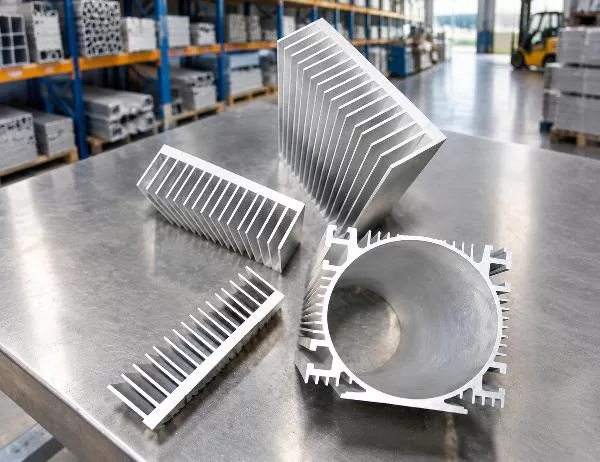
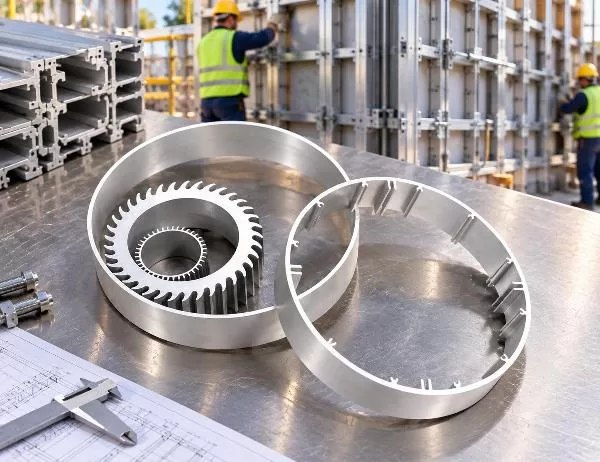
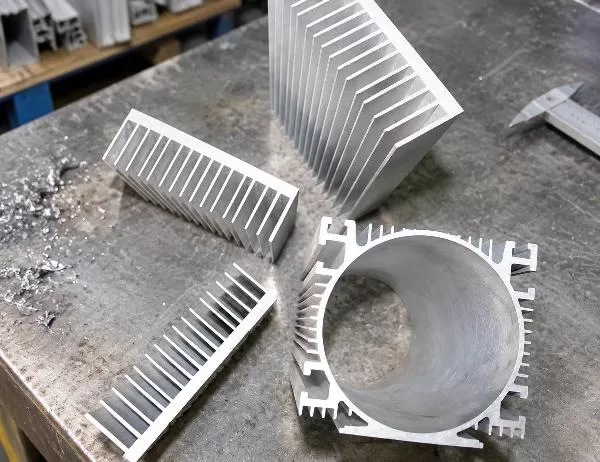
Aluminium extrusion is a manufacturing process that transforms molten aluminium into intricate shapes with unparalleled precision. This process allows for the creation of pipes with custom profiles and dimensions, fulfilling the unique requirements of various HVAC applications. The inherent strength of aluminium ensures durability and resistance to deformation, making these pipes capable of withstanding the high pressures and temperatures associated with HVAC systems.
Enhanced Heat Transfer Efficiency
Aluminium possesses exceptional thermal conductivity. This property enables extrusion pipes to transfer heat rapidly and efficiently, facilitating optimal heating or cooling of the surrounding air. The smooth interior surface of these pipes minimizes friction, promoting unrestricted airflow and ensuring efficient heat exchange. By maximizing heat transfer, aluminium extrusion pipes contribute to improved energy savings and reduced operating costs.
Ensuring Air Purity and Hygiene
Aluminium extrusion pipes are non-corrosive and resistant to microbial growth. This inherent cleanliness prevents the accumulation of dust, dirt, and contaminants, ensuring the delivery of pure and healthy air. The absence of corrosion also eliminates the risk of leaks and maintains the structural integrity of the pipes, extending their lifespan and ensuring reliable performance.
Adaptability and Customization
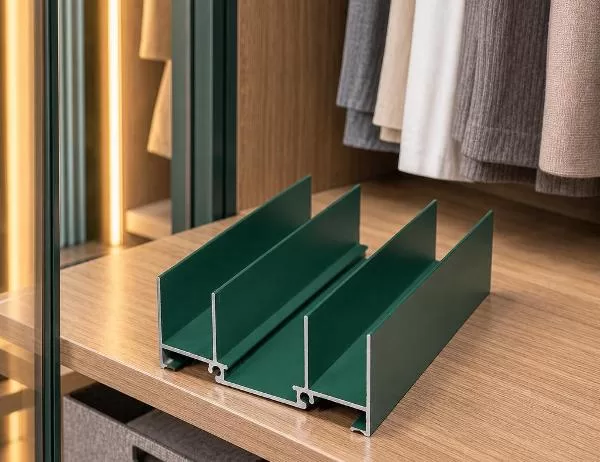
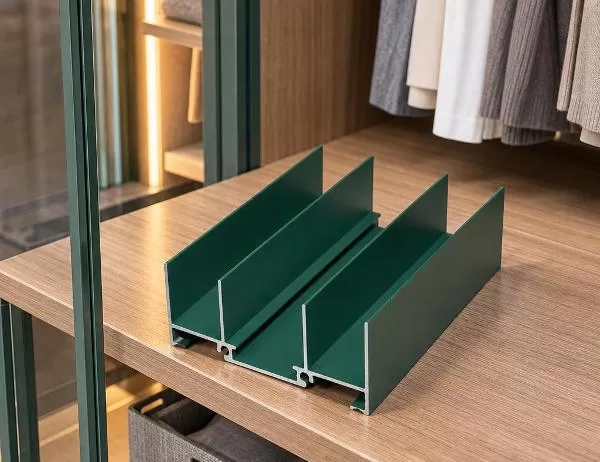
The versatility of aluminium extrusion enables the production of pipes in a wide range of sizes, shapes, and finishes. This adaptability allows for seamless integration with existing HVAC systems and the customization of pipe configurations to suit specific architectural requirements. The ability to tailor pipes to specific needs enhances the aesthetics of the system and optimizes its overall functionality.
Conclusion
Aluminium extrusion pipes are an indispensable component of modern HVAC systems, playing a critical role in delivering efficient temperature control and maintaining air quality. Their strength, thermal conductivity, corrosion resistance, and adaptability make them the ideal choice for a wide range of HVAC applications. By leveraging the unique properties of aluminium extrusion, we can create HVAC systems that provide optimal comfort, reduce energy consumption, and contribute to healthier indoor environments.