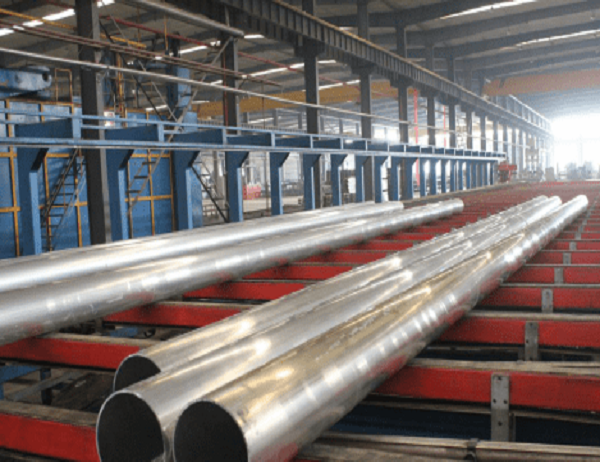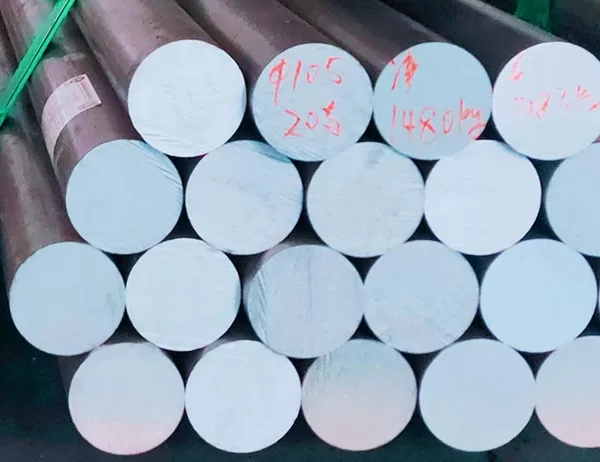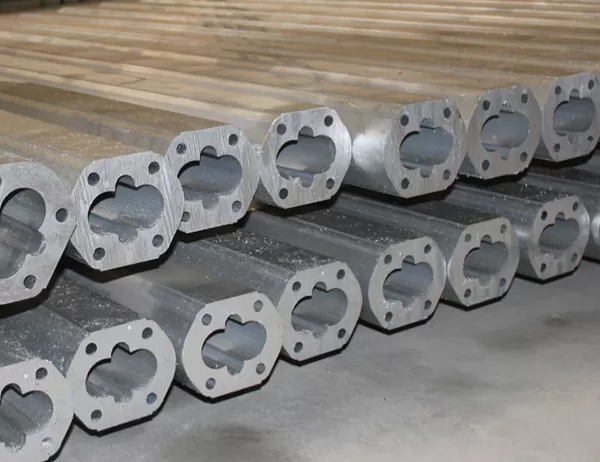
Recent advancements in engineering and architecture have prioritized lightweight construction for enhanced efficiency, sustainability, and structural integrity. Among various materials employed in this context, aluminum alloy tubing has emerged as a compelling choice due to its exceptional properties and versatility. This article delves into the multifaceted role of aluminum alloy tubing in lightweight construction, exploring its benefits, applications, and contributions to the industry’s evolution.
Aluminum alloys possess an unmatched strength-to-weight ratio compared to other commonly used metals. This inherent characteristic enables the fabrication of lightweight structures that can withstand significant loads without compromising performance or durability. The high strength and low density of aluminum alloy tubing allow engineers to optimize design parameters, leading to substantial weight savings.
Aluminum alloys exhibit exceptional corrosion resistance, which makes them ideal for use in exterior applications and harsh environments. The protective oxide layer that naturally forms on the surface of aluminum alloys acts as a barrier against corrosive elements, ensuring long-lasting integrity and reducing maintenance requirements. This property is particularly valuable for structures exposed to coastal or industrial atmospheres.
Aluminum alloy tubing is highly formable, allowing for precise bending, shaping, and fabrication into complex geometries. This characteristic facilitates the creation of intricate designs and customized profiles that meet specific structural and aesthetic requirements. The ease of formability allows architects and engineers to push the boundaries of creativity and innovation in lightweight construction.
The tubular shape of aluminum alloy tubing provides exceptional structural stability under both axial and bending loads. The hollow interior allows for efficient load distribution, minimizing stress concentrations and preventing premature failure. This inherent stability makes aluminum alloy tubing particularly well-suited for applications such as framing systems, bridge girders, and wind turbine towers.
Aluminum is one of the most sustainable metals, with a high recycling rate and a low carbon footprint. Lightweight construction using aluminum alloy tubing aligns with sustainability goals and reduces the environmental impact of building projects. The recyclability of aluminum further enhances its appeal as an eco-friendly material.
The role of aluminum alloy tubing in lightweight construction is multifaceted and transformative. Its exceptional strength-to-weight ratio, corrosion resistance, formability, structural stability, and sustainability make it an indispensable material for achieving efficiency, performance, and longevity in modern building designs. As the industry continues to embrace lightweight construction techniques, aluminum alloy tubing will undoubtedly play a pivotal role in shaping the future of structural engineering and architecture.