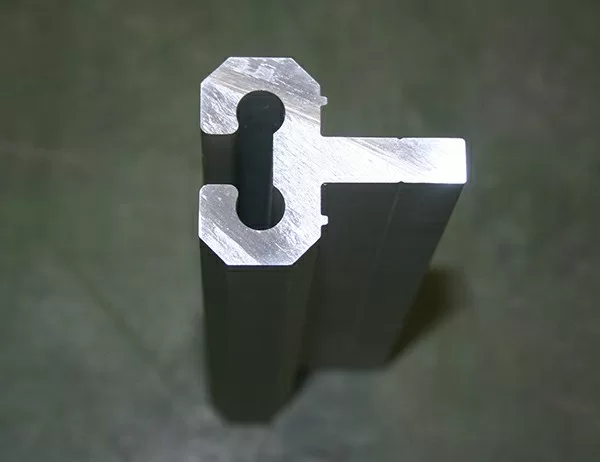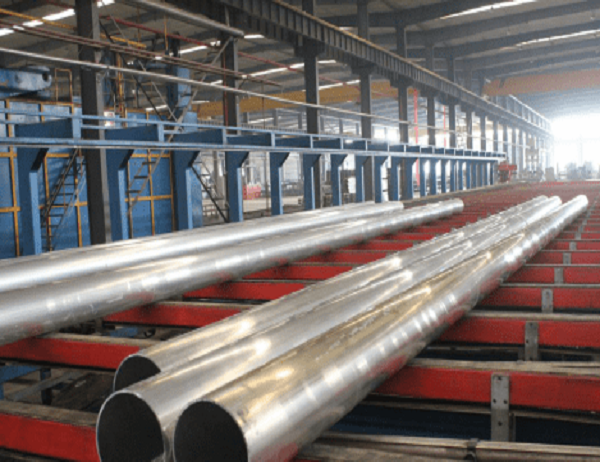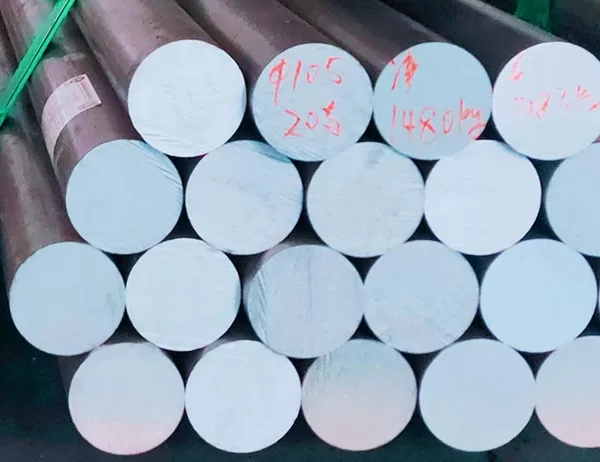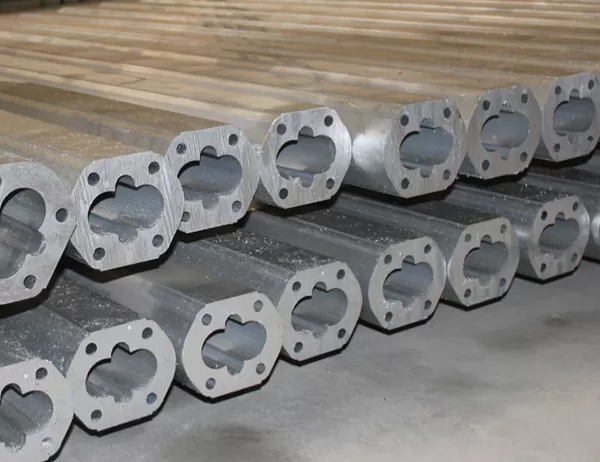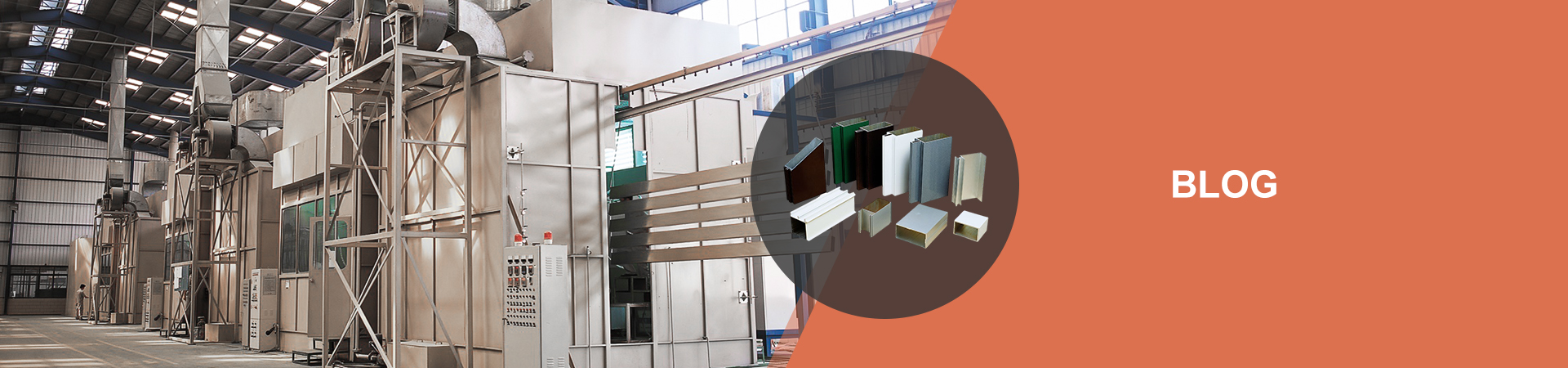
In the realm of modern engineering, aluminum track profiles have emerged as an indispensable material for a wide array of applications. These versatile components offer a unique combination of strength, durability, and flexibility, making them ideal for a multitude of industrial and residential projects.
Lightweight and Durable
Aluminum track profiles are renowned for their exceptional strength-to-weight ratio. This characteristic enables them to withstand significant loads while remaining lightweight, reducing the overall weight of structures and facilitating easy handling and installation. Additionally, the high corrosion resistance of aluminum makes these profiles impervious to weathering and harsh environments, ensuring longevity and minimal maintenance requirements.
Precision and Versatility
Precision engineering techniques are employed in the manufacturing of aluminum track profiles, resulting in components with tight tolerances and consistent dimensions. This precision ensures seamless integration with other components, enabling accurate alignment and smooth movement. Furthermore, the versatility of aluminum allows for the fabrication of profiles in various shapes, sizes, and configurations, catering to the specific demands of diverse engineering projects.
Electrical and Thermal Conductivity
Aluminum’s excellent electrical conductivity makes aluminum track profiles suitable for electrical applications, such as power distribution systems and lighting fixtures. Their ability to efficiently conduct electricity minimizes energy losses and ensures reliable electrical performance. Additionally, aluminum’s high thermal conductivity enables efficient heat transfer, making these profiles ideal for applications where heat dissipation is crucial, such as heat sinks and thermal management systems.
Aesthetic Appeal and Functionality
Beyond their technical merits, aluminum track profiles also offer aesthetic benefits. The sleek and modern appearance of these components complements a wide range of architectural and interior designs. Their ability to be anodized or powder coated in various colors allows for customization and seamless integration with existing aesthetics. Moreover, the ability to incorporate LED lighting into aluminum track profiles further enhances their functionality and visual appeal.
Sustainable and Environmentally Friendly
Aluminum is a highly recyclable material, contributing to the sustainability of aluminum track profiles. Recycling these components reduces the environmental impact associated with raw material extraction and manufacturing, making them an eco-friendly choice for modern engineering solutions. Furthermore, aluminum’s high corrosion resistance minimizes the need for toxic coatings or treatments, further reducing its environmental footprint.
Conclusion
In conclusion, aluminum track profiles play a pivotal role in modern engineering solutions, offering a unique combination of strength, durability, precision, versatility, electrical and thermal conductivity, aesthetic appeal, and sustainability. These components are essential for a wide range of applications, including structural systems, electrical installations, thermal management systems, and architectural designs. As technology continues to advance, the demand for aluminum track profiles is expected to grow, further expanding their potential in shaping the future of engineering solutions.