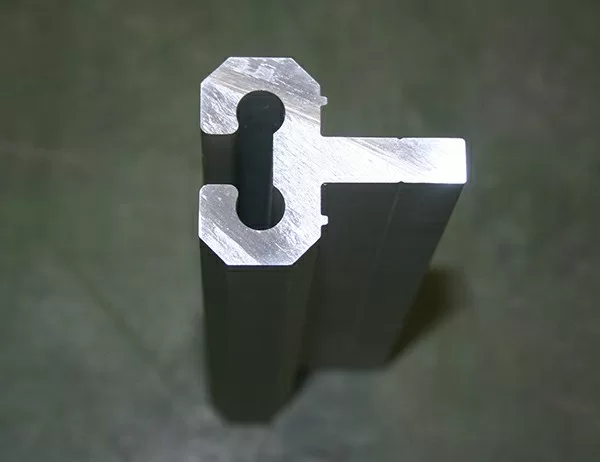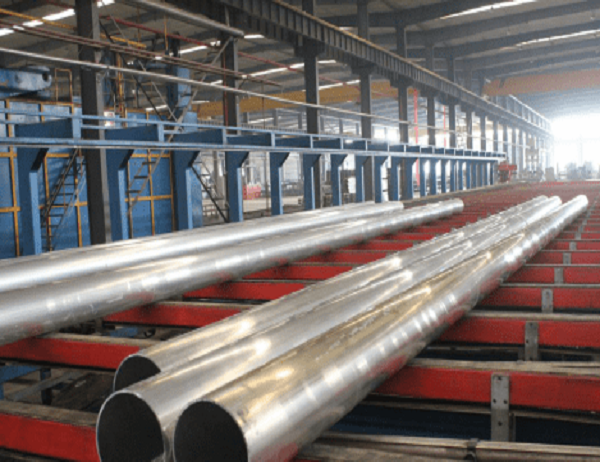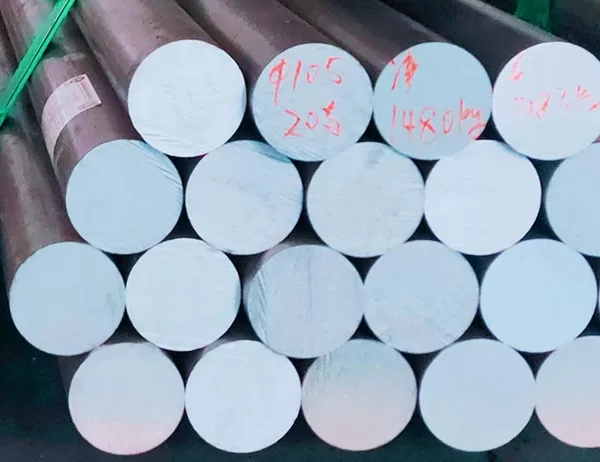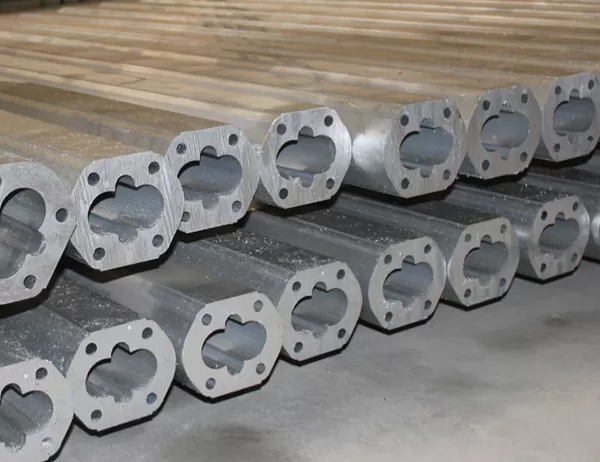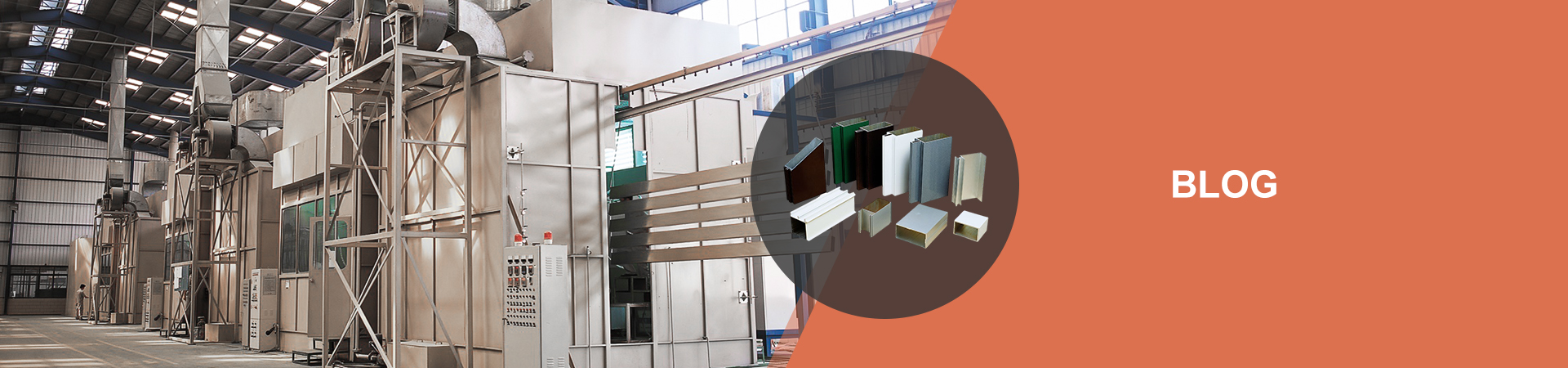
In the realm of sustainable architecture, innovation and ingenuity converge to create structures that not only meet aesthetic demands but also align with the imperative for environmental stewardship. Enter aluminum track profiles “ an unsung yet pivotal component that weaves sustainability into the fabric of modern buildings.
Aluminum, a lightweight and highly recyclable material, embodies the principles of circular economy. Track profiles crafted from this versatile metal offer exceptional durability, ensuring longevity and reducing the need for replacements throughout a building’s lifespan. Their malleability allows for customization to suit specific architectural visions, minimizing waste and promoting resource efficiency.
Beyond their intrinsic properties, aluminum track profiles enable sustainable building practices in myriad ways. They form the framework for energy-efficient glazing systems that maximize natural light and minimize heat loss, reducing the dependence on artificial lighting and heating. Their inherent thermal insulation properties further contribute to energy conservation, making buildings more environmentally friendly and cost-effective to operate.
Furthermore, aluminum track profiles play a crucial role in the integration of renewable energy technologies. They provide support for solar panels and wind turbines, enabling buildings to generate their own clean energy and reduce their carbon footprint. By facilitating the transition to green energy, these profiles help mitigate the impact of construction on the environment.
In addition to their environmental benefits, aluminum track profiles also promote occupant well-being. Their high strength and rigidity create safe and durable structures that can withstand external forces, ensuring the safety and comfort of building occupants. Their resistance to corrosion and weather damage contributes to maintaining the building’s aesthetic appeal, fostering a sense of pride and connection to the built environment.
As the pursuit of sustainability continues to shape building practices, aluminum track profiles emerge as indispensable elements. Their durability, recyclability, and versatility make them a cornerstone of sustainable design, enabling the creation of energy-efficient, eco-friendly, and occupant-centric structures. Embracing the role of aluminum track profiles in sustainable building practices is a testament to the commitment of architects, engineers, and developers to minimizing the environmental impact of the built environment while enhancing the quality of life for generations to come.