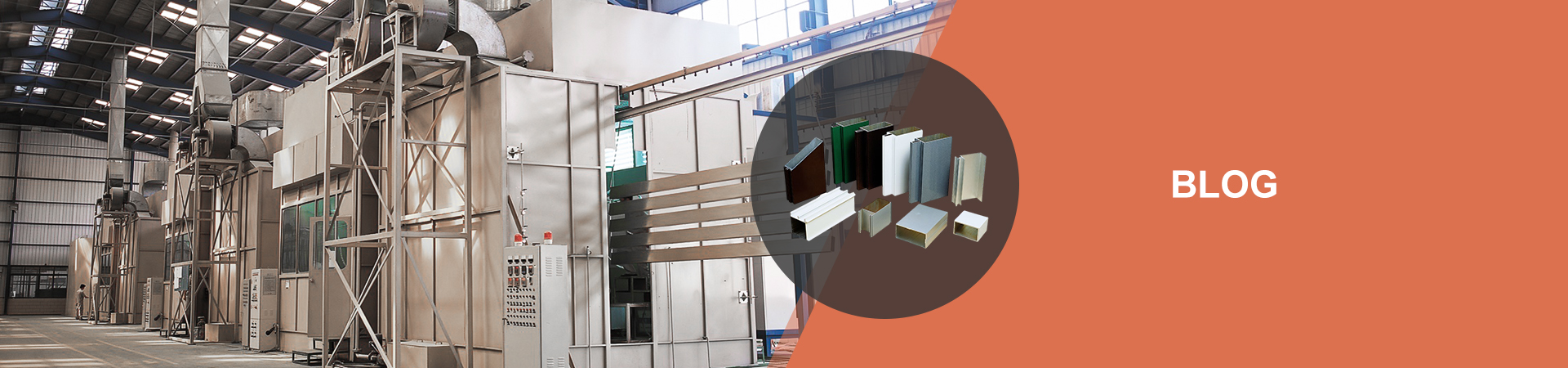
The Role of Extruded Aluminum Tubes in Modern Architecture
In modern architectural designs, extruded aluminum tubes play a crucial role in shaping structures that are both visually stunning and structurally sound. Their versatility, strength, and aesthetic qualities have made them an indispensable material in contemporary architecture.
Structural Support and Stability
Extruded aluminum tubes provide exceptional structural support due to their high strength-to-weight ratio. They can bear heavy loads, resist bending and torsion, and maintain their integrity over long spans without compromising aesthetics. This makes them ideal for constructing tall buildings, bridges, and other large-scale structures where stability and durability are paramount.
Aesthetic Versatility
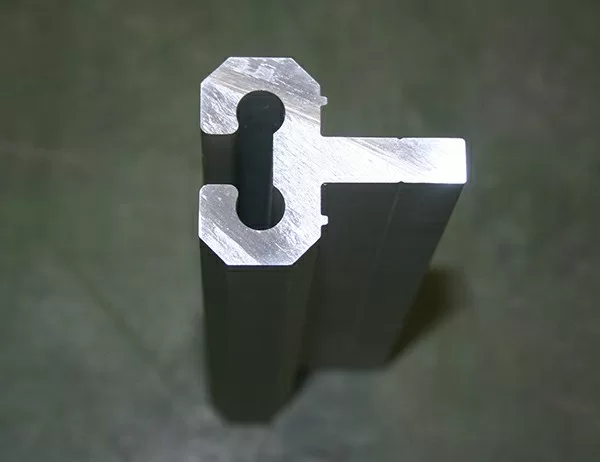
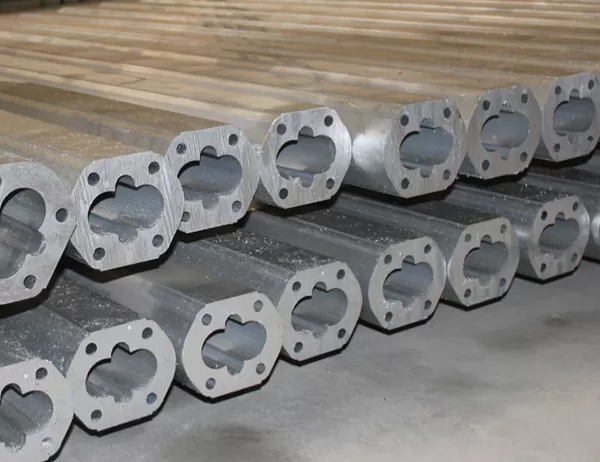
Aluminum tubes can be extruded into a wide range of shapes and sizes, offering architects unparalleled design freedom. They can create intricate curves, geometric patterns, and custom-tailored profiles to complement any architectural style. Their smooth surfaces and ability to be anodized in various colors allow for a limitless palette of aesthetic possibilities.
Durability and Sustainability
Extruded aluminum tubes exhibit exceptional durability against corrosion, wear, and fading. They can withstand harsh weather conditions, extreme temperatures, and exposure to UV radiation without deteriorating. Additionally, aluminum is a highly recyclable material, contributing to the sustainability of modern architecture by reducing environmental waste.
Thermal Insulation and Energy Efficiency
Aluminum tubes have inherent thermal insulation properties, helping to regulate indoor temperatures and reduce energy consumption. By creating a thermal barrier between the exterior and interior of a building, they minimize heat loss during the winter and heat gain during the summer. This contributes to improved occupant comfort and lower operating costs.
Fire Resistance and Safety
Aluminum tubes meet strict fire safety regulations due to their non-combustible nature. They do not contribute to the spread of fire, providing an additional layer of safety in buildings. Their ability to withstand high temperatures without melting or releasing toxic fumes ensures the well-being of occupants and the preservation of the building structure.
Ease of Fabrication and Assembly
Extruded aluminum tubes are lightweight and easy to handle, allowing for efficient fabrication and assembly processes. They can be easily cut, welded, or bent into desired shapes, reducing construction time and costs. This flexibility enables architects to create complex architectural designs without compromising structural integrity.
Conclusion
Extruded aluminum tubes have revolutionized modern architecture by offering a unique combination of structural support, aesthetic versatility, durability, energy efficiency, fire resistance, and ease of fabrication. Their ability to create both striking and sustainable structures makes them an essential material for contemporary building designs, shaping the skylines and living spaces of the future. By embracing the transformative potential of extruded aluminum tubes, architects can push the boundaries of architectural possibilities and create structures that inspire, innovate, and endure.