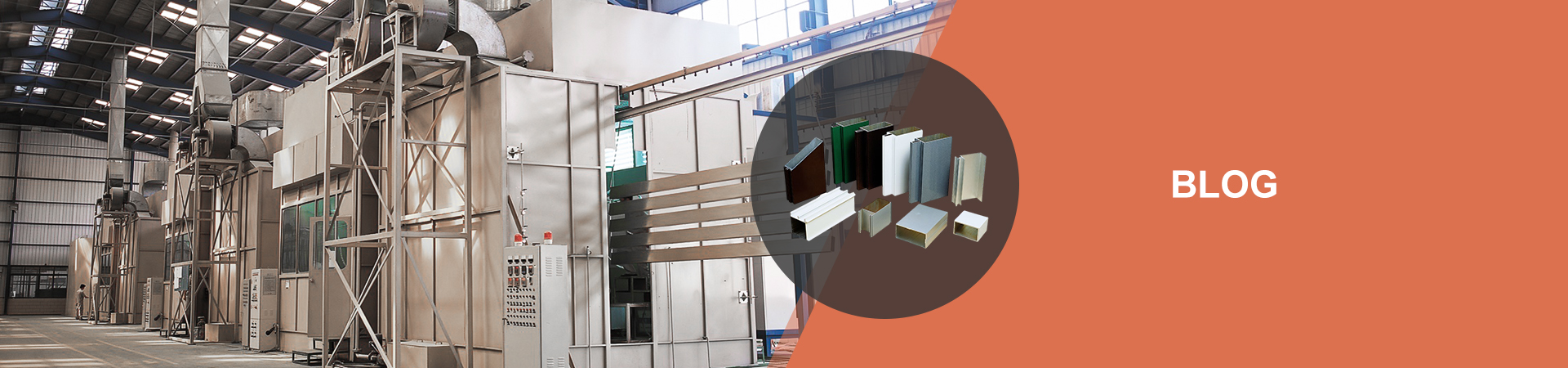
Extruded aluminum tubes occupy a crucial position in modern structural engineering, providing exceptional performance characteristics that make them an ideal choice for a wide range of applications. From towering skyscrapers to sleek bridges, these versatile tubes contribute significantly to the strength, durability, and aesthetics of structures.
Strength and Durability
Aluminum alloys used in extruded tubes exhibit remarkable strength, ensuring optimal load-bearing capacity. Their high strength-to-weight ratio enables engineers to design lightweight structures that can withstand significant loads without compromising structural integrity. The tubes’ rigid construction resists bending and torsion, making them ideal for applications requiring lateral stability and high-impact resistance. Additionally, extruded aluminum tubes possess superior corrosion resistance, which prolongs their lifespan and reduces maintenance costs.
Versatility and Flexibility
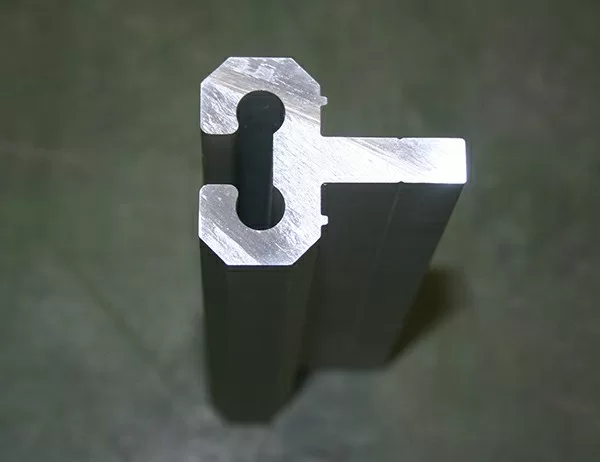
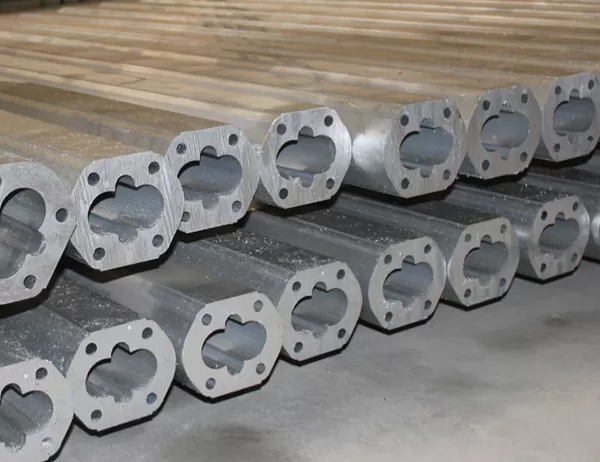
Extruded aluminum tubes’ versatility allows for customized solutions tailored to specific design requirements. The extrusion process enables the creation of complex shapes and profiles, accommodating intricate designs. The tubes can be bent, twisted, and joined with relative ease, increasing flexibility and providing design freedom. This adaptability makes them suitable for a wide variety of structural applications, including trusses, frames, and support systems.
Aesthetic Appeal
Along with their structural capabilities, extruded aluminum tubes offer aesthetic benefits. Their sleek, modern appearance complements contemporary architectural styles, enhancing the overall visual appeal of structures. Architects can utilize anodized or painted finishes to customize the color and texture of the tubes, harmonizing them with the surrounding environment. The surface finish also enhances their corrosion resistance, ensuring long-term aesthetics.
Sustainability
Extruded aluminum tubes contribute to sustainable construction practices. Aluminum is a highly recyclable material, and the extrusion process minimizes waste, promoting resource conservation. Its durability reduces the need for frequent replacements, lowering environmental impact. Additionally, the energy efficiency of aluminum tube production and its lightweight properties reduce carbon emissions during transportation and installation.
Fire Resistance
Extruded aluminum tubes offer inherent fire resistance, providing additional safety in the event of a fire. Aluminum alloys possess high melting points and low flammability, making them slow to ignite and release minimal toxic fumes. Their strength and rigidity maintain structural integrity even under intense heat, ensuring the stability of buildings and protecting occupants.
Conclusion
The role of extruded aluminum tubes in structural engineering is multifaceted and profound. Their strength, durability, versatility, and aesthetic appeal have made them an indispensable element in modern construction. As architectural designs continue to push the boundaries of creativity and sustainability, these versatile tubes will undoubtedly remain a trusted choice for engineers and architects seeking exceptional performance and enduring value.