An inverter system converts direct current (DC) electricity into alternating current (AC) electricity. Inverters are used in a variety of applications, including solar power systems, uninterruptible power supplies (UPSs), and electric vehicles.
Heat sinks are an essential component of inverter systems. They help to dissipate heat generated by the inverter’s power transistors. Without a heat sink, the power transistors would overheat and fail.
Heat Dissipation
The main function of a heat sink is to dissipate heat. Heat is generated by the power transistors in the inverter when they switch from one state to another. The heat sink provides a large surface area for the heat to be dissipated to the surrounding air.
Heat Transfer
Heat sinks transfer heat through conduction, convection, and radiation. Conduction is the transfer of heat through direct contact between two surfaces. Convection is the transfer of heat through the movement of a fluid. Radiation is the transfer of heat through electromagnetic waves.
Heat Sink Types
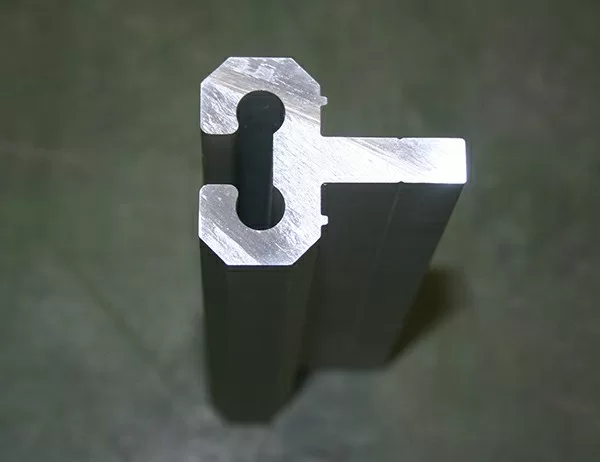
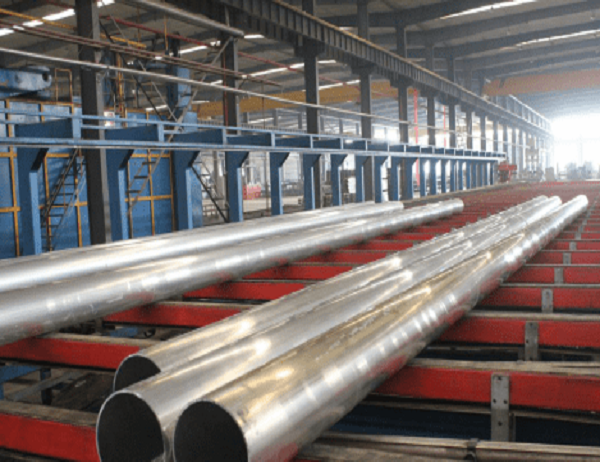
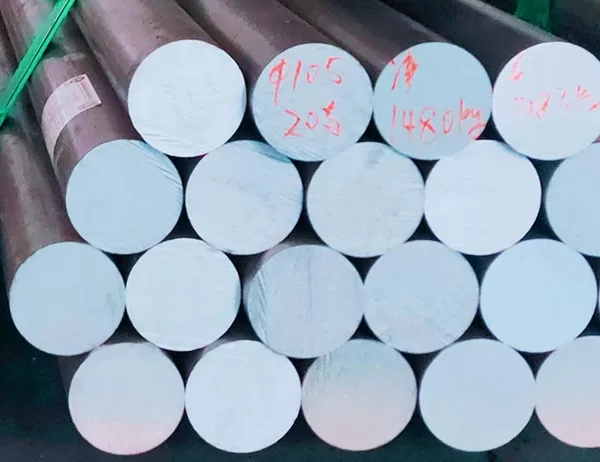
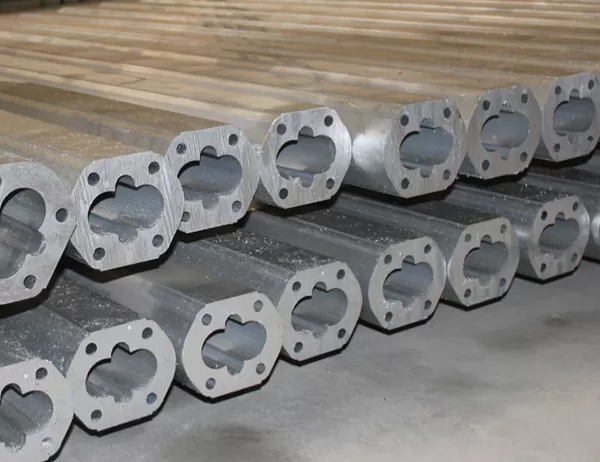
There are many different types of heat sinks available. The most common type is the extruded heat sink. Extruded heat sinks are made by pushing molten aluminum through a die. This process creates a long, thin heat sink with a large surface area.
Other types of heat sinks include:
Cast heat sinks are made by pouring molten aluminum into a mold. Cast heat sinks have a more complex shape than extruded heat sinks.
Bonded heat sinks are made by bonding a metal base to a ceramic or plastic core. Bonded heat sinks are lightweight and have a high thermal conductivity.
Liquid-cooled heat sinks use a liquid to transfer heat away from the power transistors. Liquid-cooled heat sinks are more efficient than air-cooled heat sinks.
Heat Sink Selection
The type of heat sink that is used in an inverter system depends on several factors, including:
The power of the inverter
The ambient temperature
The space available for the heat sink
It is important to select a heat sink that is properly sized for the inverter system. A heat sink that is too small will not be able to dissipate enough heat, which can lead to the failure of the power transistors. A heat sink that is too large will be unnecessarily expensive and bulky.
Conclusion
Heat sinks are an essential component of inverter systems. They help to dissipate heat generated by the inverter’s power transistors. Without a heat sink, the power transistors would overheat and fail.