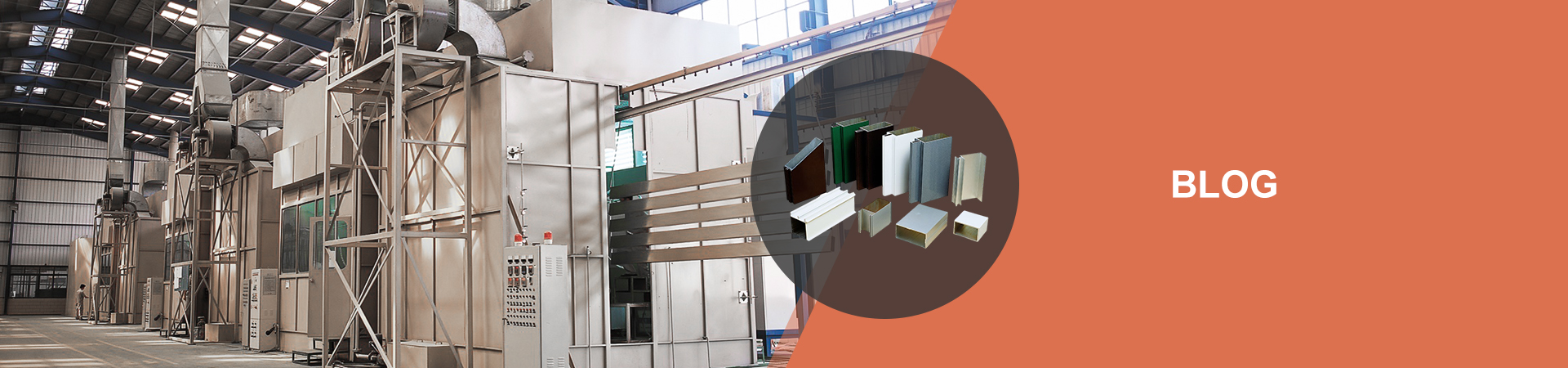
Aluminum, a lightweight and highly durable metal, has revolutionized various industries, including construction and manufacturing. Among its versatile applications, industrial aluminum profiles stand out for their exceptional contributions to structural integrity and overall performance enhancement.
Industrial aluminum profiles exhibit remarkable strength-to-weight ratios, enabling them to withstand significant loads without compromising their structural integrity. Their exceptional durability ensures longevity and resilience, making them suitable for demanding environments and long-term applications.
Aluminum’s natural resistance to corrosion is a key factor in enhancing structural integrity. Unlike steel or iron, aluminum profiles do not rust, eliminating the risk of structural damage and premature failure. This property is particularly important in outdoor applications, where exposure to moisture and weathering poses significant challenges.
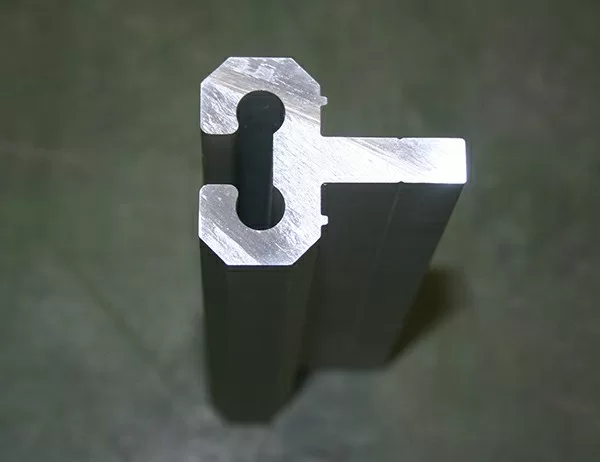
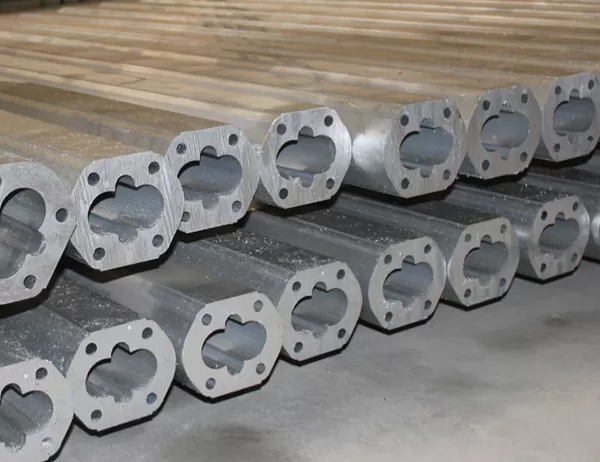
Aluminum profiles offer unmatched design flexibility, allowing for intricate shapes, custom configurations, and seamless integration into existing structures. Their ability to be extruded into various cross-sections enables architects and engineers to create innovative and aesthetically pleasing designs that meet specific load-bearing requirements.
Industrial aluminum profiles possess excellent thermal insulation properties, contributing to energy efficiency and occupant comfort. Their inherent conductivity minimizes heat transfer, reducing energy consumption for heating and cooling. This attribute makes aluminum profiles ideal for curtain wall systems, window frames, and other building envelope components.
Aluminum’s non-flammable nature enhances structural integrity in fire situations. It withstands high temperatures without deformation or weakening, preventing structural collapse and safeguarding lives and property. This characteristic is particularly crucial in fire-rated construction applications.
The lightweight nature of aluminum profiles significantly reduces the overall weight of structures, making them easier to transport, install, and handle. This weight reduction also offers advantages in seismic zones, where lighter structures are more resistant to earthquake damage.
Industrial aluminum profiles offer cost-effectiveness and long-term value. Their low maintenance requirements, durability, and energy efficiency contribute to reduced lifecycle costs. Additionally, the recyclability of aluminum provides environmental sustainability and potential material cost savings.
Industrial aluminum profiles play a vital role in enhancing structural integrity, durability, and overall performance in various industries. Their exceptional strength, corrosion resistance, design flexibility, thermal insulation, fire resistance, weight reduction, and economic advantages make them an indispensable choice for architects, engineers, and builders seeking to create safe, resilient, and sustainable structures.