Introduction
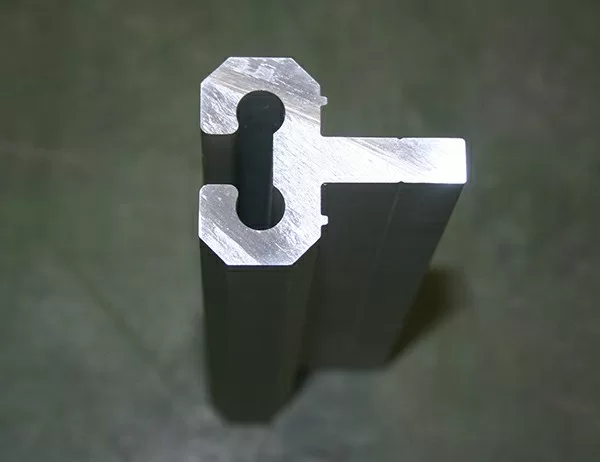
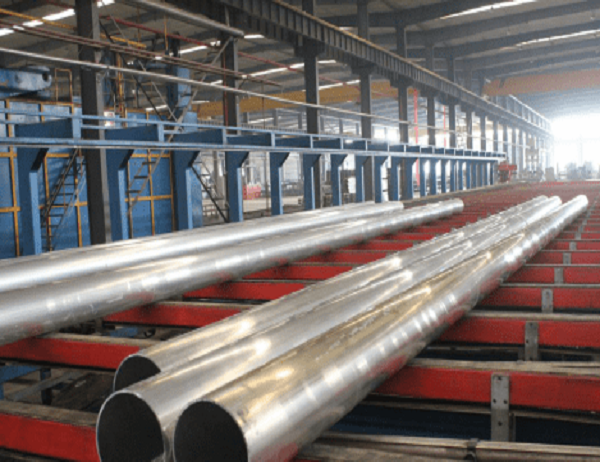
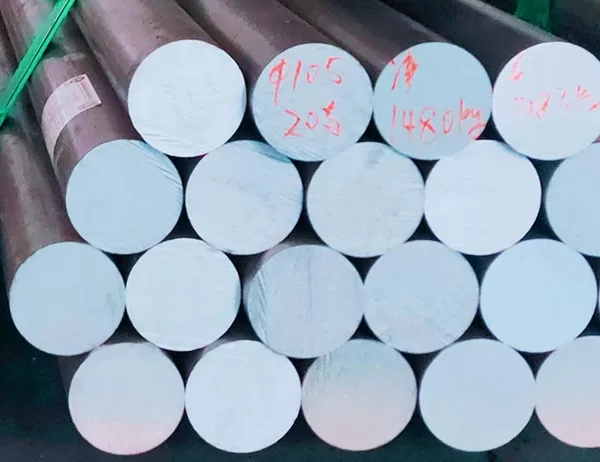
Industrial aluminum profiles, also known as aluminum extrusions, have become ubiquitous in modern industrial design due to their versatility, durability, and cost-effectiveness. From structural components to decorative accents, aluminum profiles play a crucial role in creating aesthetically pleasing and functionally efficient industrial spaces.
Structural Strength and Durability
Lightweight and Strong: Aluminum profiles offer exceptional strength-to-weight ratio, making them ideal for applications where both lightweight and robust construction is required. Their high mechanical strength enables them to withstand heavy loads and impact forces, ensuring structural integrity and longevity.
Corrosion Resistance: Aluminum profiles possess excellent corrosion resistance, making them suitable for harsh industrial environments. Their resistance to oxidation, moisture, and chemicals minimizes the need for frequent maintenance and prolongs the lifespan of industrial structures.
Versatility and Customization
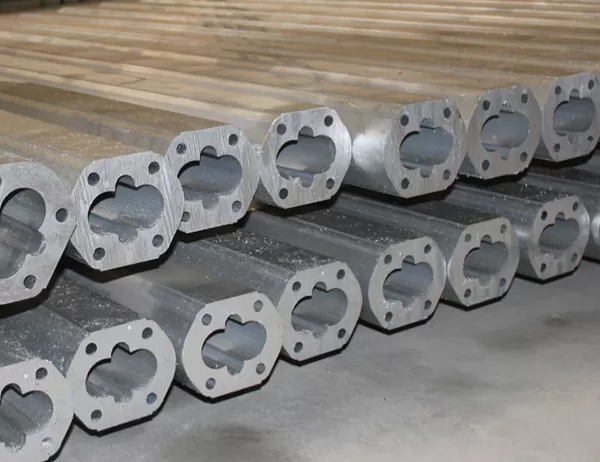
Customizable Shapes: Industrial aluminum profiles can be extruded into a wide range of shapes and sizes, allowing designers to create unique and customized components for specific functional and aesthetic requirements. This versatility enables the fabrication of complex structures, intricate decorative elements, and bespoke industrial solutions.
Surface Finishes: Aluminum profiles can be anodized or powder-coated to achieve various surface finishes. Anodizing enhances corrosion resistance and adds a decorative touch, while powder coating provides a more durable and colorful finish. This customization expands the design possibilities and allows for seamless integration with existing industrial environments.
Aesthetic Appeal
Sleek and Modern: Aluminum profiles have a sleek and contemporary aesthetic that complements the modern industrial design trend. Their smooth surfaces and sharp edges create a polished and sophisticated look, adding a touch of elegance to industrial spaces.
Minimalistic and Versatile: Aluminum profiles can be used to create minimalistic and functional designs that emphasize clean lines and simplicity. They blend seamlessly with other materials such as glass, wood, and steel, allowing designers to create visually appealing and cohesive industrial interiors.
Cost-Effectiveness and Sustainability
Cost-Efficient: Industrial aluminum profiles offer significant cost advantages compared to alternative materials such as steel or wood. Their light weight reduces transportation and installation costs, while their durability minimizes maintenance expenses over the long term.
Sustainability: Aluminum is a highly recyclable material, contributing to sustainability efforts. Recycling aluminum profiles conserves natural resources, reduces energy consumption, and minimizes the environmental impact of industrial design.
Conclusion
Industrial aluminum profiles have revolutionized modern industrial design by offering a combination of structural strength, versatility, aesthetic appeal, and cost-effectiveness. From structural components to decorative elements, aluminum profiles enable designers to create innovative and functional spaces that meet the demands of today’s industrial environments. Their customizable nature, durability, and sustainability make them an indispensable material for modern industrial design.