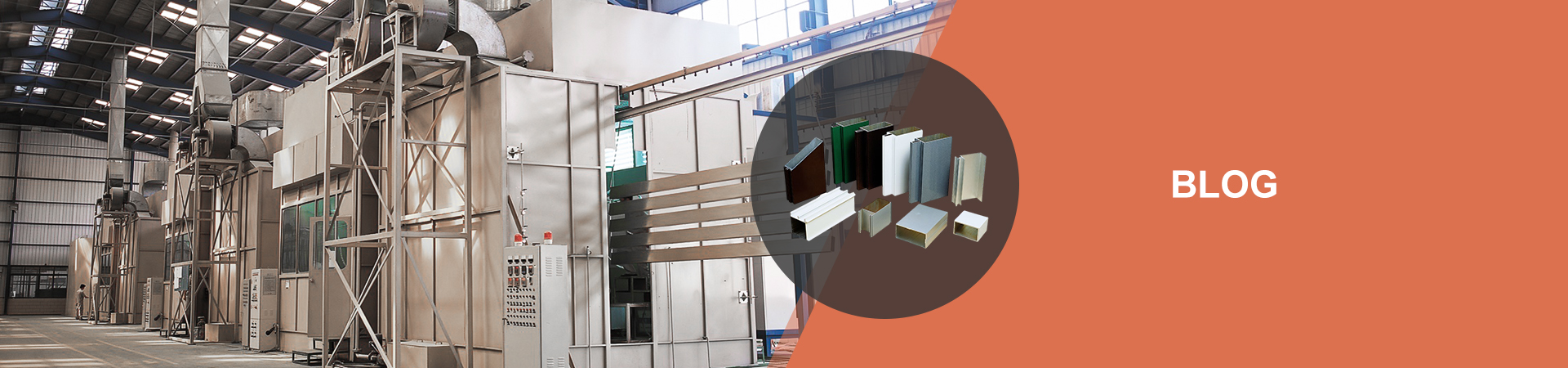
Delve into “The Ultimate Guide to Solar Aluminum Profiles,” a comprehensive resource that illuminates the world of solar aluminum profiles. This meticulously crafted guide provides valuable insights into the materials, design, and applications of these essential components in the solar industry.
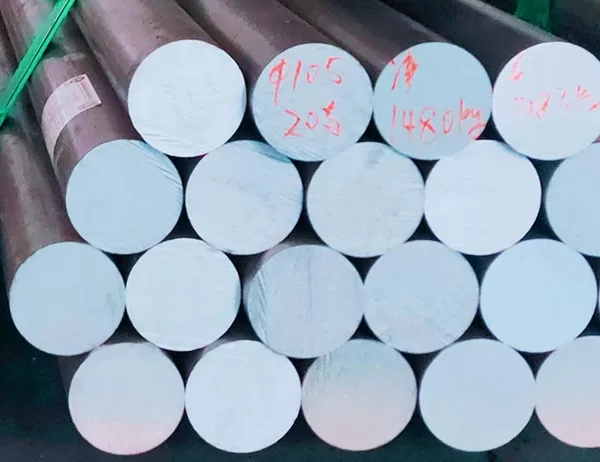
Solar aluminum profiles are primarily composed of high-strength aluminum alloys, often anodized to enhance corrosion resistance and durability. These alloys exhibit exceptional strength-to-weight ratios, allowing for lightweight and robust structures. The aluminum is alloyed with elements such as magnesium, silicon, and manganese to optimize its properties for solar applications.
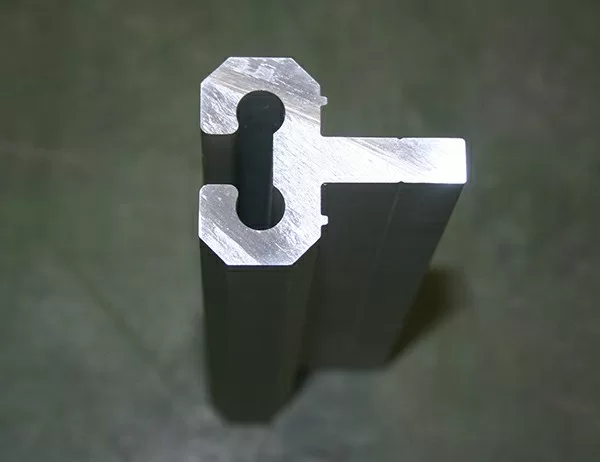
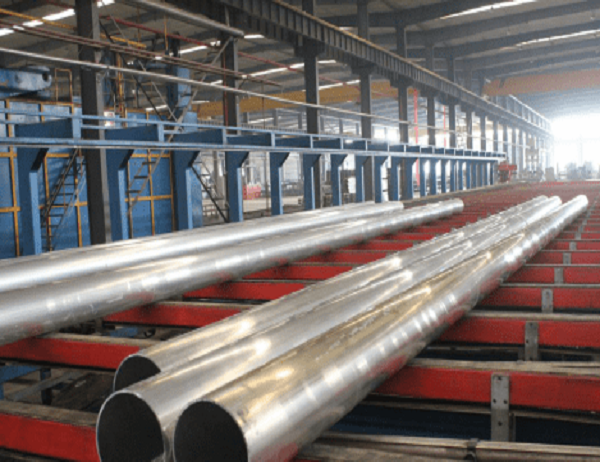
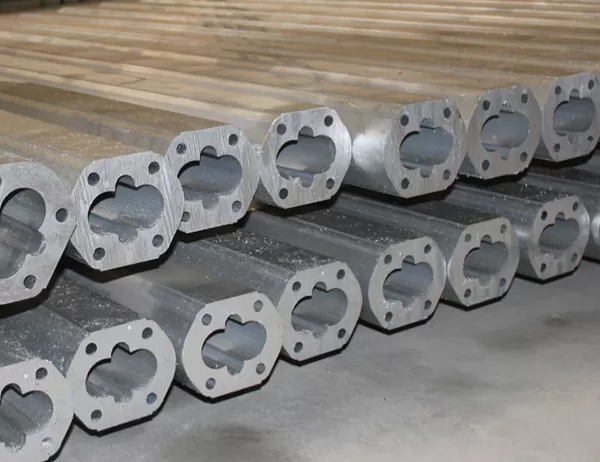
The design of aluminum profiles for solar panels involves careful consideration of both functionality and aesthetics. They are designed with precision to accommodate solar cells, frames, and mounting systems. The profiles’ dimensions, shape, and perforations are optimized to maximize sunlight absorption while ensuring structural integrity. Advanced fabrication techniques, such as extrusion and roll forming, are employed to create complex profiles with exacting tolerances.
There are various types of solar aluminum profiles, each tailored to specific applications:
–
U-Profiles:
Used to frame solar panels and provide structural support.
–
L-Profiles:
Lightweight and easy to install, ideal for mounting solar panels on rooftops or ground-mounted systems.
–
T-Profiles:
Versatile profiles that can serve as module frames, support beams, or connection points.
–
Z-Profiles:
Deep sections that provide high rigidity, suitable for large-scale solar installations.
The use of solar aluminum profiles offers numerous benefits:
–
Durability:
Aluminum profiles are highly resistant to corrosion, weathering, and wear, ensuring long-lasting performance in diverse environments.
–
Versatility:
Their customizable design allows for adaptability to different solar panel sizes and mounting requirements.
–
Easy Installation:
The lightweight and pre-fabricated nature of aluminum profiles simplifies installation, reducing labor costs and project timelines.
–
Sustainability:
Aluminum is a recyclable material, contributing to the overall sustainability of solar energy systems.
“The Ultimate Guide to Solar Aluminum Profiles” empowers professionals and homeowners alike with comprehensive knowledge about these critical components in the solar industry. By understanding the materials, design, types, benefits, and applications of aluminum profiles, readers can make informed Entscheidungen and maximize the performance of their solar installations. Embarking on this reading journey will undoubtedly enhance your understanding of solar aluminum profiles and contribute to the advancement of clean and sustainable energy solutions.