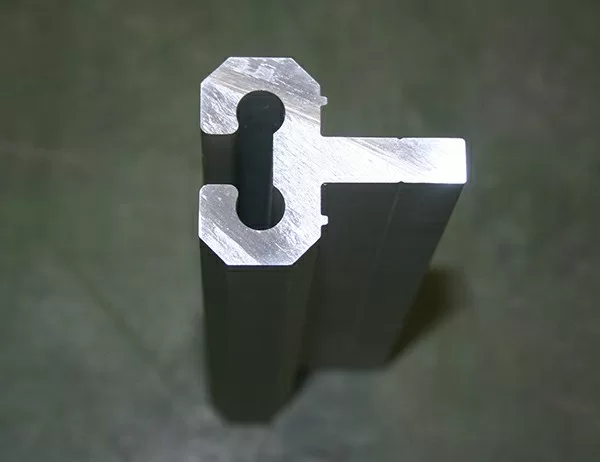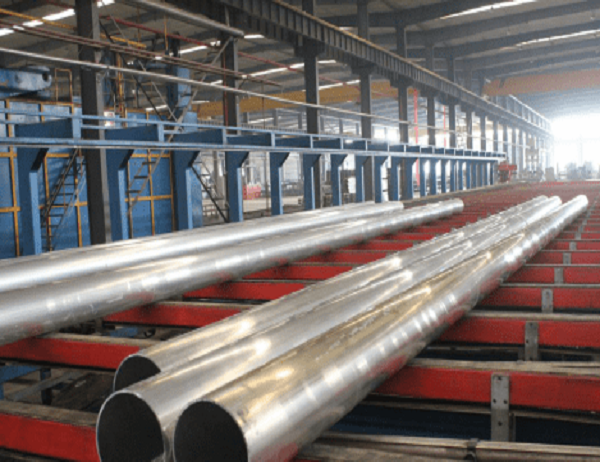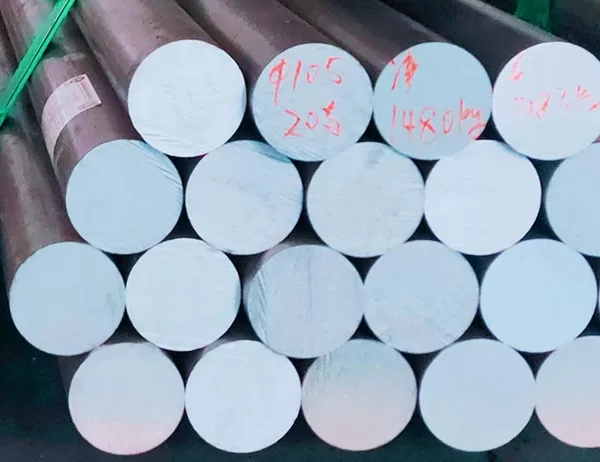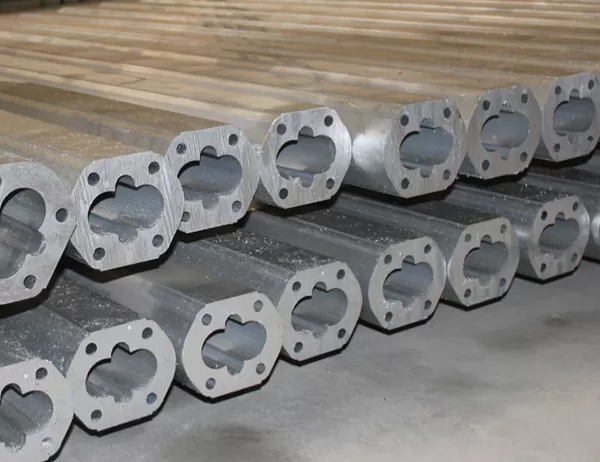
In the realm of electronic devices, maintaining optimal thermal management is paramount for ensuring system stability, performance, and longevity. Enter aluminum heat sinks, a crucial component that excels in dissipating heat and safeguarding sensitive electronic components from overheating.
Aluminum boasts an impressive thermal conductivity of 236 W/(m·K), making it a highly effective conductor of heat. When heat is transferred from electronic components to the heat sink, aluminum’s ability to rapidly conduct heat away prevents the components from overheating.
Heat sinks are designed to maximize surface area for efficient heat dissipation. The fins on aluminum heat sinks provide a larger surface area, allowing for increased heat exchange between the sink and its surroundings. This increased surface area promotes better heat dissipation and prevents the accumulation of heat around the components.
Aluminum’s durability and lightweight nature make it an ideal material for heat sinks. Its strength ensures that the heat sink can withstand the stresses of installation and operation, while its low weight minimizes any additional burden on the system. This combination of durability and lightness contributes to the long-term reliability of the system.
Compared to other materials used in heat sinks, such as copper, aluminum is a more cost-effective option. This makes it a practical choice for large-scale applications. Additionally, aluminum is a highly recyclable material, reducing its environmental footprint and promoting sustainability.
The versatility of aluminum heat sinks makes them suitable for a wide range of electronic devices, including computers, laptops, smartphones, and industrial machinery. They can be customized to fit various form factors and mounting configurations, ensuring compatibility with different systems.
Effective heat dissipation with aluminum heat sinks translates into improved system performance and reliability. By preventing overheating, heat sinks safeguard the components from thermal degradation, which can lead to performance issues, reduced lifespans, and even catastrophic failures.
In conclusion, Thermal Excellence: Enhancing System Stability with Aluminum Heat Sinks emphasizes the critical role of aluminum heat sinks in maintaining optimal thermal management. Their exceptional thermal conductivity, enhanced surface area, durability, cost-effectiveness, sustainability, versatility, and contribution to improved system performance and reliability make them an indispensable component in the design and operation of modern electronic devices. By leveraging the benefits of aluminum heat sinks, engineers can ensure the longevity and efficiency of their systems, maximizing uptime and minimizing the risk of premature failures.