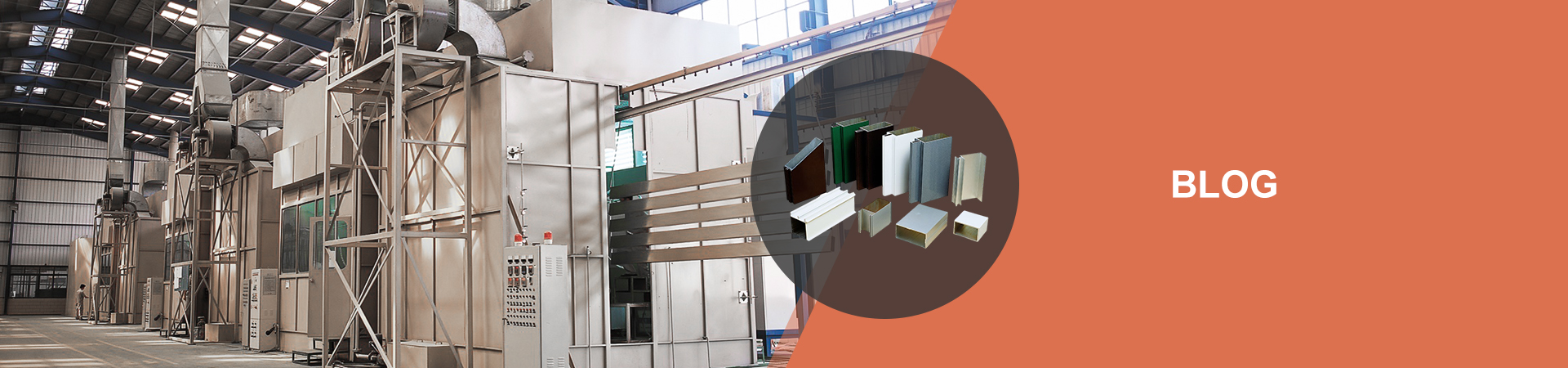
In the vast expanse of modern engineering, aluminum track profiles stand as versatile and essential components in a myriad of applications. From industrial machinery to architectural wonders, these precision-crafted extrusions play a crucial role in guiding, supporting, and connecting various elements. Selecting the right profile for your specific needs requires careful consideration and knowledge of the available options.
1. Determine Your Application:
The first step is to clearly define the intended use of the profile. Whether you require a rigid frame for a machine base, a sleek track for a sliding door, or a lightweight rail for a telescopic mechanism, the application will dictate the required dimensions, load-bearing capacity, and mounting options.
2. Choose the Alloy:
The choice of aluminum alloy is critical for ensuring strength, durability, and corrosion resistance. Common alloys for track profiles include 6061, 6063, and 7075. Each alloy offers a unique blend of properties, such as high tensile strength, excellent weldability, or superior surface finish.
3. Consider the Shape:
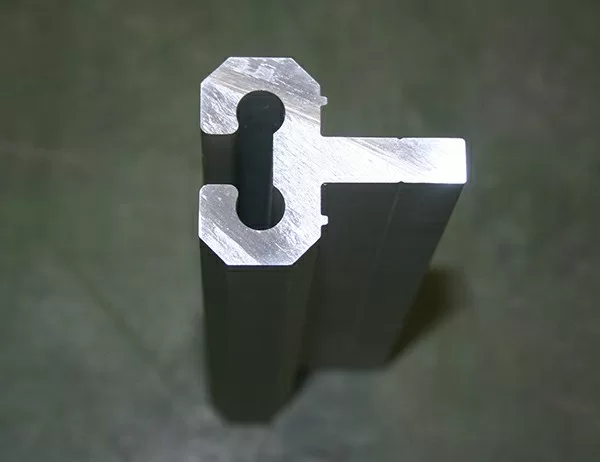
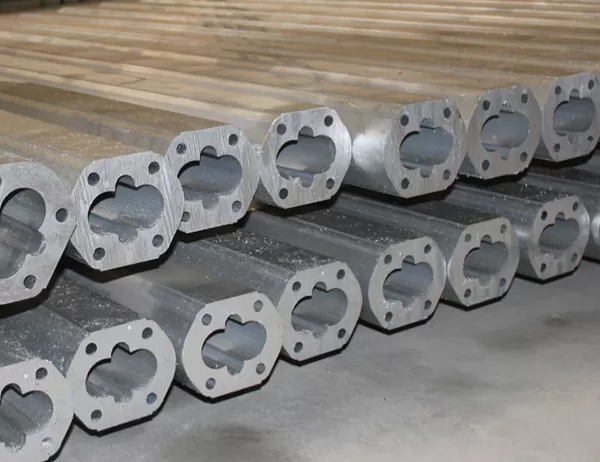
Track profiles come in a wide range of shapes, each designed for specific purposes. T-slots, C-channels, U-channels, and I-beams are commonly used profiles that provide flexibility in mounting, strength, and load distribution. The choice of shape should align with the functionality and aesthetics of the application.
4. Assess Load Capacity:
The load-bearing capacity of a track profile is a vital consideration, especially in applications where heavy loads are involved. Factors such as the profile’s cross-sectional area, wall thickness, and material strength play a role in determining the maximum load it can handle.
5. Explore Mounting Options:
Mounting options for track profiles vary depending on the application. T-slotted profiles can be easily bolted, while C-channels and U-channels offer options for welding or using fasteners. The choice of mounting method should ensure a secure and stable connection to the surrounding structure.
6. Consider Finishing:
The surface finish of a track profile not only affects aesthetics but can also enhance corrosion resistance and durability. Common finishes include anodizing, powder coating, and bare aluminum. The choice of finish should complement the application’s environment and performance requirements.
By carefully considering these tips, you can select aluminum track profiles that perfectly align with your needs, ensuring optimal performance, reliability, and longevity in your engineering endeavors.