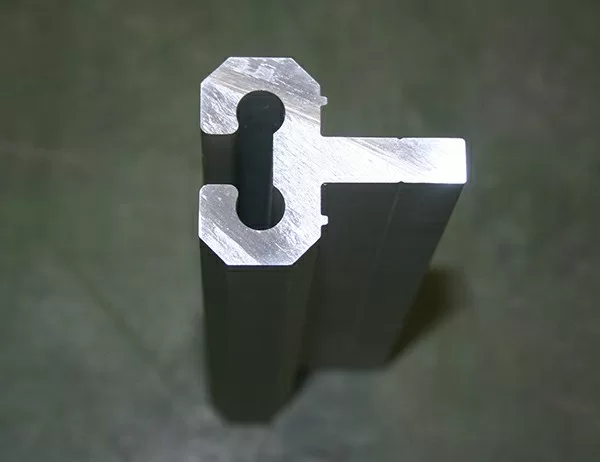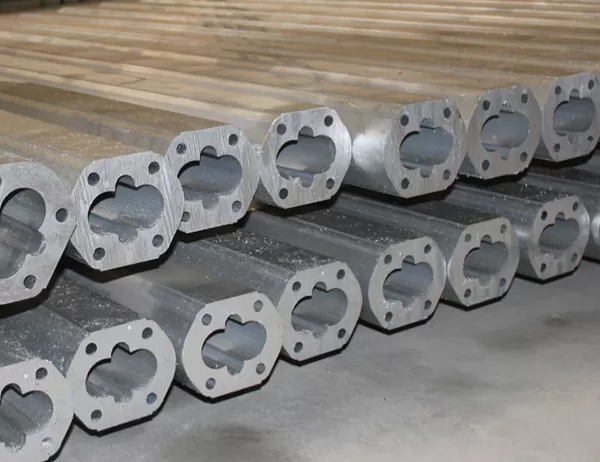
In the realm of kitchen design, aluminum kitchen cabinet profiles have emerged as a popular choice due to their sleek aesthetics, durability, and versatility. To achieve the best results when working with these profiles, it’s essential to follow meticulous fabrication and assembly techniques. This article presents comprehensive tips to guide you through the process and ensure the creation of high-quality, functional, and aesthetically pleasing cabinetry. Understanding the nuances of this process will empower you to create bespoke kitchens that meet your specific needs and preferences.
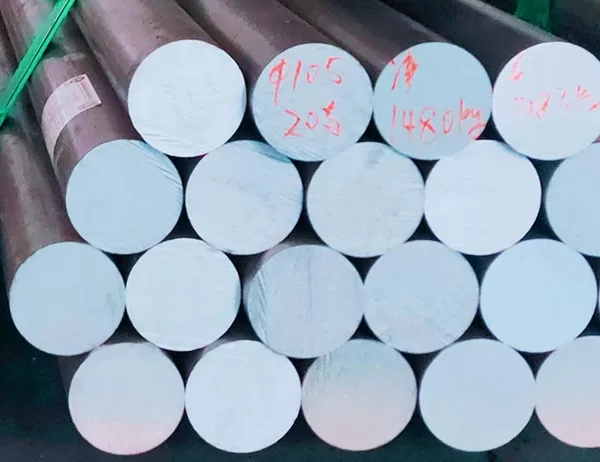
The foundation of any aluminum kitchen cabinet profile begins with its selection. Consider factors such as the thickness, alloy composition, and finish of the profiles. Proper preparation is equally critical. Begin by ensuring that the profiles are free from any imperfections or scratches. Utilize a clean, straight edge as a guide when making cuts to ensure accurate and uniform dimensions. Remove any burrs or sharp edges with a deburring tool for enhanced safety and a professional finish.
Assembling aluminum kitchen cabinet profiles requires various joining techniques. Screws and bolts offer a simple and effective solution, providing a secure connection between the profiles. However, for a more seamless and aesthetically appealing result, consider mechanical joining methods such as dowels or connectors. These specialized components provide a strong and concealed bond, eliminating visible fasteners. Additionally, adhesives can supplement mechanical joining to enhance the overall strength and durability of the assembly.
The sequence and alignment of the profiles during assembly are crucial for ensuring a precise fit and optimal functionality. Start by aligning the profiles carefully and securing them temporarily with clamps or fixtures. Pay meticulous attention to the perpendicularity and levelness of the connections. Use a square and a level to ensure accuracy. Once the alignment is verified, proceed with the final joining process, whether it involves screws, dowels, connectors, or adhesives.
Regular quality control checks throughout the fabrication and assembly process are paramount to maintaining high standards. Inspect the profiles for any damage or imperfections that may affect the final appearance or functionality of the cabinetry. Ensure that the joints are secure, and the profiles are aligned precisely. Finally, apply the desired finishes, such as paint, powder coating, or anodizing, to complement your kitchen decor and protect the profiles from corrosion and wear.
The installation of aluminum kitchen cabinet profiles requires attention to detail and precise measurements. Determine the exact positioning of the cabinets and mark the location of the mounting points carefully. Use a level to ensure the cabinets are installed horizontally and vertically. Secure the cabinets firmly to the wall or floor using appropriate hardware and ensure they are plumb and level. Proper installation guarantees the stability and functionality of the cabinetry for years to come.
By adhering to these tips for fabricating and assembling aluminum kitchen cabinet profiles, you can create durable, aesthetically pleasing, and functional cabinetry that meets your unique requirements. From profile selection to installation, each step demands precision and attention to detail. By mastering these techniques, you can elevate your cabinetry projects to the next level, transforming your kitchen into a space that reflects your personal style and enhances your culinary experiences.