In today’s electronic world, heat dissipation is crucial for ensuring optimal performance and longevity of components. Heat sinks, devices that transfer heat away from critical areas, play a vital role in thermal management. Aluminum heat sinks, in particular, offer numerous advantages that make them an ideal choice for a wide range of applications. This article explores the top 10 benefits of using aluminum heat sinks, providing insights into their superior properties and the value they offer for efficient heat management.
Aluminum is a lightweight material, making aluminum heat sinks easy to handle, transport, and install. Their compact size allows for efficient utilization of space, especially in applications with limited dimensions. The lightweight nature of aluminum heat sinks also reduces shipping costs and simplifies integration into existing systems.
Aluminum has a high thermal conductivity, which enables it to efficiently transfer heat from electronic components to the surrounding environment. This rapid heat dissipation prevents overheating and ensures stable operating temperatures. The excellent thermal conductivity of aluminum heat sinks makes them well-suited for high-power applications where efficient heat removal is essential.
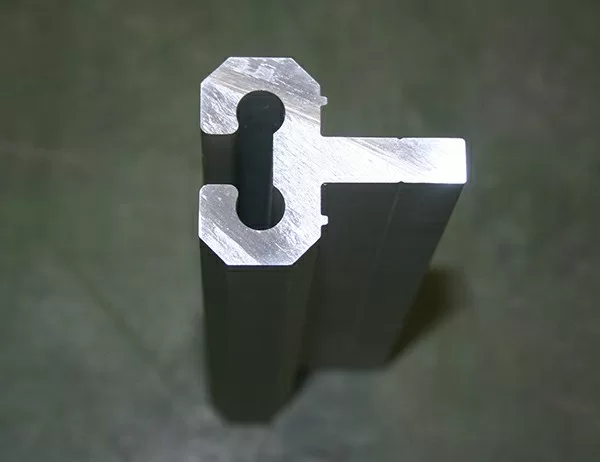
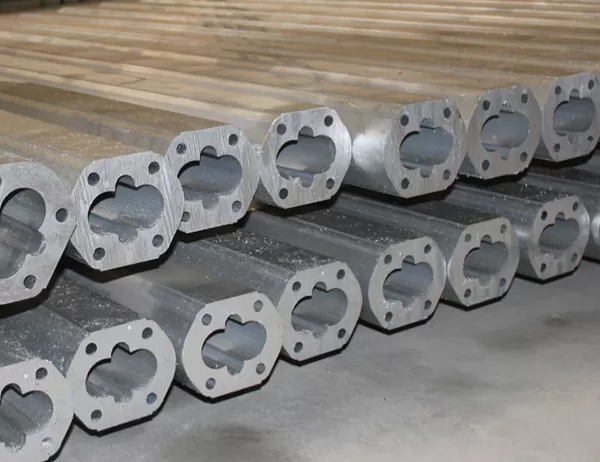
Aluminum is a malleable and ductile material, allowing for easy shaping and fabrication. Aluminum heat sinks can be customized to meet specific application requirements, including intricate designs and complex geometries. Their machinability enables precise cutting and drilling, ensuring a seamless fit and optimal heat dissipation performance.
Aluminum forms a protective oxide layer on its surface, providing excellent corrosion resistance. This characteristic makes aluminum heat sinks ideal for applications exposed to harsh environments, such as moisture, acids, and chemicals. The corrosion resistance ensures long-lasting performance and prevents degradation over time.
Aluminum heat sinks are visually appealing and can enhance the aesthetics of electronic devices. They are available in a variety of colors and finishes, allowing for customization to match the overall design. Additionally, aluminum is a robust material that can withstand mechanical stresses and vibrations, providing long-term durability and reliability.
Compared to other materials, aluminum is relatively inexpensive. The combination of its high thermal conductivity, formability, and corrosion resistance makes aluminum heat sinks a cost-effective solution for thermal management. Their low production and maintenance costs make them an attractive option for large-scale applications.
Aluminum heat sinks are versatile and find applications across various industries, including electronics, power systems, and automotive. They are commonly used to dissipate heat from processors, motors, power supplies, and other electronic components. Their ability to handle high heat loads makes them suitable for demanding applications.
Aluminum heat sinks have inherent vibration dampening properties. Their solid construction and low mass reduce vibration and noise generation, which is critical in sensitive environments such as medical and scientific applications. The reduced noise and vibration enhance system stability and contribute to a quieter operating environment.
Aluminum is a recyclable material, making aluminum heat sinks environmentally friendly. The recycling process consumes less energy and resources compared to producing new materials. The eco-friendliness of aluminum heat sinks aligns with the principles of sustainability and reduces the environmental impact of electronic devices.
Aluminum heat sinks offer a multitude of advantages that make them the preferred choice for heat dissipation in various applications. Their lightweight design, high thermal conductivity, formability, corrosion resistance, aesthetics, cost-effectiveness, wide application range, reduced noise and vibration, and eco-friendliness contribute to their overall value and performance. By leveraging the benefits of aluminum heat sinks, designers and engineers can ensure optimal thermal management, enhancing device reliability, performance, and longevity.