
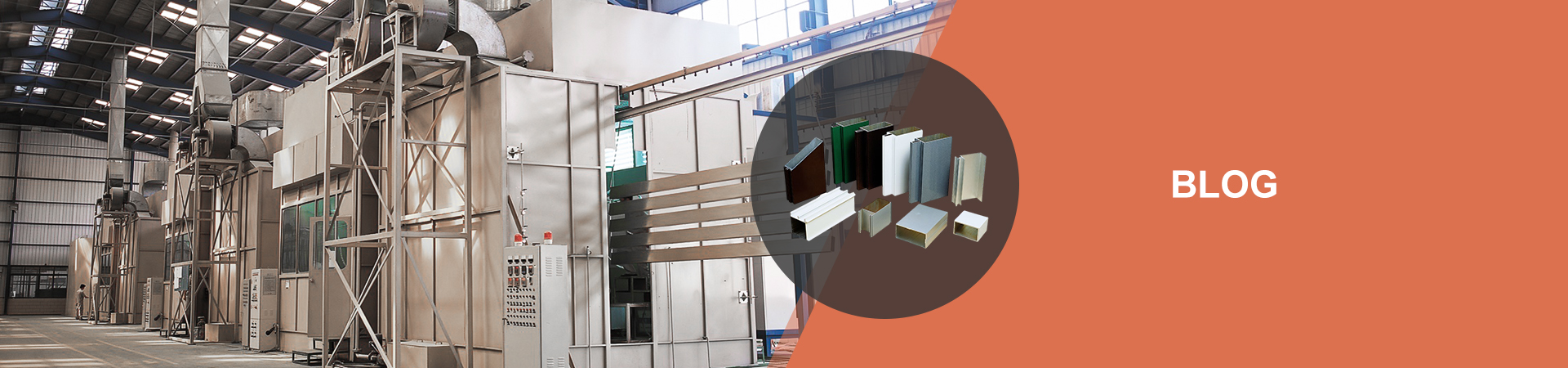
In the industrial realm, where precision, durability, and cost-effectiveness reign supreme, aluminum profiles emerge as a formidable force. These multifaceted extrusions, sculpted from high-grade aluminum alloys, possess an array of exceptional properties that set them apart from conventional materials.
Unmatched Strength and Rigidity
Industrial aluminum profiles boast superior strength-to-weight ratios, offering unparalleled structural integrity. Their high rigidity minimizes bending and flexing, making them an ideal choice for load-bearing applications and demanding environments. From heavy-duty machinery to towering skyscrapers, these profiles ensure unwavering stability.
Corrosion Resistance and Longevity
Unlike traditional metals, aluminum is highly resistant to corrosion, weathering the test of time and harsh conditions. This inherent characteristic extends the lifespan of industrial structures, reducing maintenance costs and safeguarding investments. Aluminum profiles stand tall in corrosive environments such as factories, coastal regions, and chemical plants.
Versatility and Customization
Industrial aluminum profiles are remarkably versatile, accommodating a vast array of design requirements. They can be extruded into complex shapes and customized to specific dimensions, fulfilling unique project specifications. This versatility allows for the creation of tailored solutions that optimize performance and aesthetic appeal.
Lightweight and Handling
Aluminum profiles are renowned for their exceptional strength, but they are also incredibly lightweight. This combination of properties makes them easy to handle, install, and transport, reducing labor costs and streamlining construction processes. Aluminum’s low density contributes to overall energy efficiency in applications such as automotive and aerospace components.
Thermal Conductivity and Efficiency
Industrial aluminum profiles display high thermal conductivity, effectively dissipating heat and enhancing energy efficiency. This characteristic makes them ideal for applications in cooling systems, heat exchangers, and automotive components. Aluminum’s ability to conduct heat efficiently minimizes energy waste and contributes to sustainable practices.
Conclusion
Industrial aluminum profiles are an invaluable asset in a wide range of industries, offering a potent blend of strength, durability, versatility, and cost-effectiveness. Their superior properties and customizable nature make them the preferred choice for demanding applications where performance and longevity are paramount. As technological advancements continue to push the boundaries of material science, aluminum profiles will undoubtedly remain at the forefront of industrial innovation.
