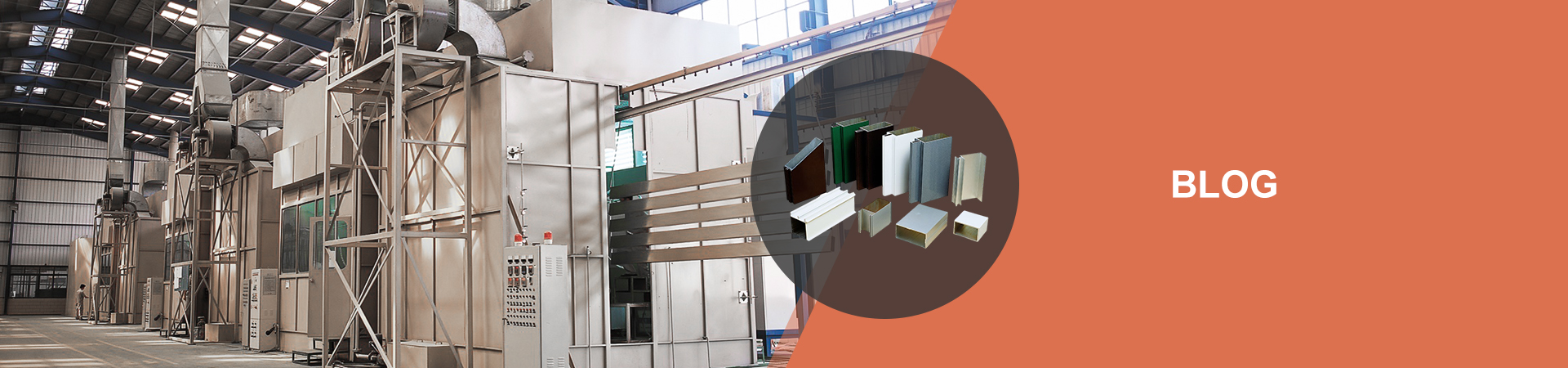
Aluminum alloy pipes are widely utilized in various industries due to their lightweight, strength, and corrosion resistance. However, working with these materials requires meticulous attention to specific considerations to ensure optimal performance and longevity. This article highlights the top mistakes to avoid when working with aluminum alloy pipes.
Improper Selection of Alloy Type
The first mistake to avoid is improper selection of alloy type. Different aluminum alloys possess distinct properties and are suitable for specific applications. Selecting the wrong alloy can compromise the pipe’s performance and durability. Consider factors such as strength requirements, corrosion resistance, and weldability before finalizing the alloy type.
Inadequate Cleaning and Preparation
Another crucial mistake to avoid is inadequate cleaning and preparation. Aluminum alloy pipes may contain surface contaminants and protective coatings that need to be removed prior to fabrication or welding. Failure to properly clean and prepare the surface can lead to weld defects, corrosion problems, and reduced joint strength. Use appropriate cleaning methods and materials to thoroughly remove all contaminants from the pipe surface.
Overheating During Welding
Overheating during welding is a common mistake that can weaken the pipe joint and adversely affect its mechanical properties. Aluminum alloy pipes are prone to melting and heat damage if subjected to excessive heat input. Monitor the welding temperature closely using a reliable temperature indicator and follow recommended welding procedures to avoid overheating.
Improper Welding Techniques
Inaccuracies in welding techniques can result in significant problems. For aluminum alloy pipes, improper welding techniques include using incorrect welding parameters, inadequate weld penetration, or poor weld bead formation. Ensure that qualified welders perform the welding operations and adhere to established welding standards to minimize defects and maintain joint integrity.
Lack of Post-Weld Treatment
Neglecting post-weld treatment can compromise the longevity of aluminum alloy pipes. Post-weld treatment, such as stress relieving or heat treatment, is crucial for restoring the pipe’s mechanical properties and reducing the risk of cracking or embrittlement. Follow recommended post-weld treatment procedures to enhance the joint’s performance and extend its lifespan.
Overtightening of Fittings
Overtightening of fittings is a common error that can lead to cracking or damage to the pipe. Aluminum alloy pipes have a relatively soft surface, and excessive tightening can exceed the yield strength of the material. Use appropriate torque values and avoid applying excessive force during fitting assembly to prevent structural damage.
Ignoring Environmental Factors
Environmental factors, such as temperature, moisture, and exposure to chemicals, can affect the performance of aluminum alloy pipes. Neglecting environmental factors can lead to premature failure or corrosion. Consider the intended use environment and implement measures to protect the pipes from adverse conditions, including proper surface treatment, protective coatings, or corrosion-resistant alloys.
Failure to Inspect and Maintain
Regular inspection and maintenance are essential to ensure the integrity and longevity of aluminum alloy pipes. Conduct periodic visual inspections to detect any signs of damage, corrosion, or leaks. Schedule maintenance procedures to clean, protect, and repair the pipes as necessary. By implementing a comprehensive inspection and maintenance program, you can minimize the risk of unexpected failures and extend the life of your aluminum alloy pipe system.