With the increasing global demand for renewable energy, solar photovoltaic (PV) systems have garnered widespread attention. As a critical component of PV systems, solar aluminum profiles play a vital role in module assembly and system performance. Consequently, advancements in solar aluminum profile technology have become paramount in driving the efficiency and cost-effectiveness of PV installations.
Enhanced Durability and Corrosion Resistance
Traditionally, aluminum profiles for solar applications were prone to corrosion and mechanical fatigue. However, advancements have led to the development of alloys and coatings that significantly enhance their durability. For instance, 6000-series alloys provide exceptional corrosion resistance, making them suitable for harsh environments. Additionally, surface treatments like anodizing and powder coating create a protective layer that further safeguards the profiles from wear and tear.
Improved Thermal Management
Solar modules generate heat during electricity production, which can adversely affect their performance. Efficient thermal management is crucial to minimize energy losses and extend module lifespan. Aluminum profiles with optimized cross-sections and thermal break designs facilitate heat dissipation. By increasing airflow and reducing thermal bridges, these profiles ensure that modules operate at optimal temperatures.
Lightweight and Strength Optimization
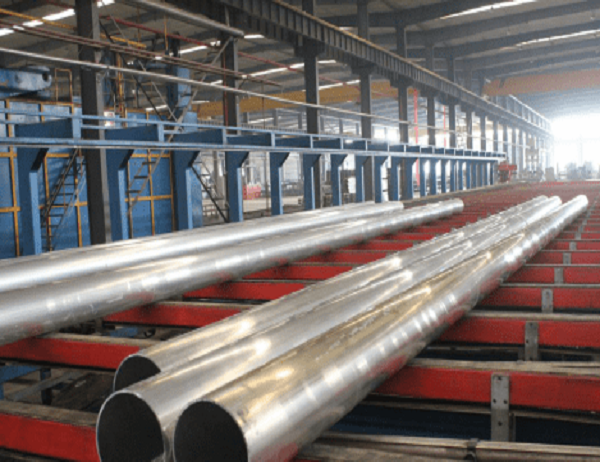
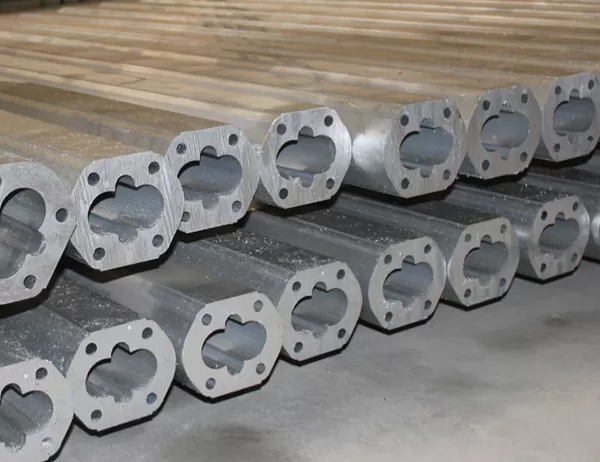
Solar installations require lightweight materials to minimize structural load. Aluminum profiles are inherently lightweight yet strong, making them ideal for PV system frameworks. By employing advanced extrusion techniques, manufacturers can optimize the profile’s shape and thickness, achieving a balance between structural integrity and weight reduction. This enables the design of more efficient and cost-effective mounting systems.
Aesthetic Enhancements
As solar PV installations become more prevalent, aesthetics have gained importance. Aluminum profiles offer a wide range of surface finishes and colors, allowing them to blend seamlessly with building facades and surroundings. Architectural-grade profiles are designed with sleek and contemporary lines, contributing to the overall visual appeal of the system.
Integration of Innovative Features
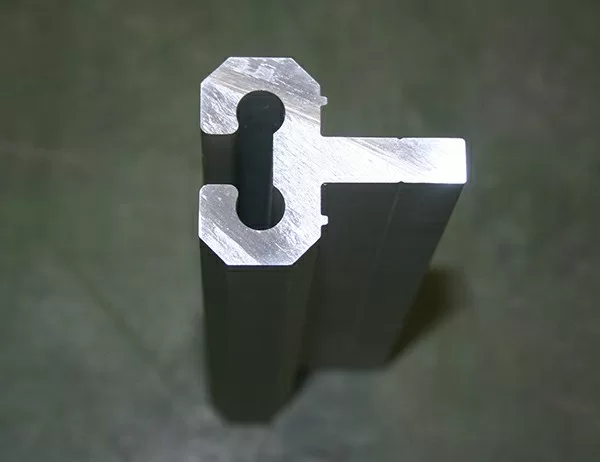
Solar aluminum profiles are now being engineered with integrated features that enhance the functionality of PV systems. For example, profiles with built-in wiring channels streamline electrical connections and improve safety. Additionally, profiles with mounting grooves facilitate the attachment of accessories such as solar panels, inverters, and monitoring systems. These integrated features simplify installation and maintenance, reducing labor costs and downtime.
Conclusion
Trends in solar aluminum profile technology encompass a wide range of advancements that address critical aspects of PV system performance. From enhanced durability and thermal management to lightweight optimization and aesthetic improvements, these advancements are driving innovation and efficiency in the solar industry. As the demand for renewable energy continues to grow, solar aluminum profiles will play an increasingly vital role in harnessing the sun’s power and transitioning towards a sustainable energy future.