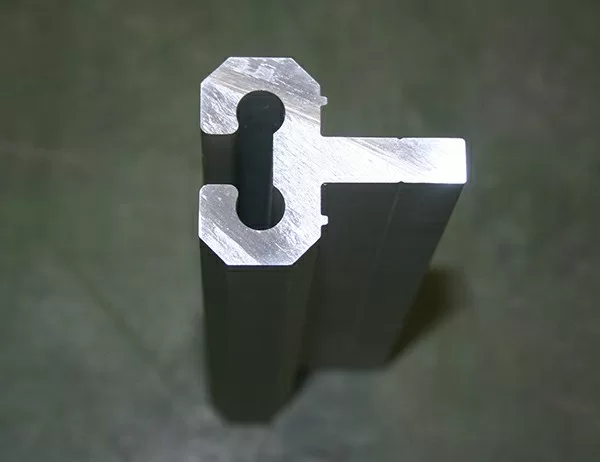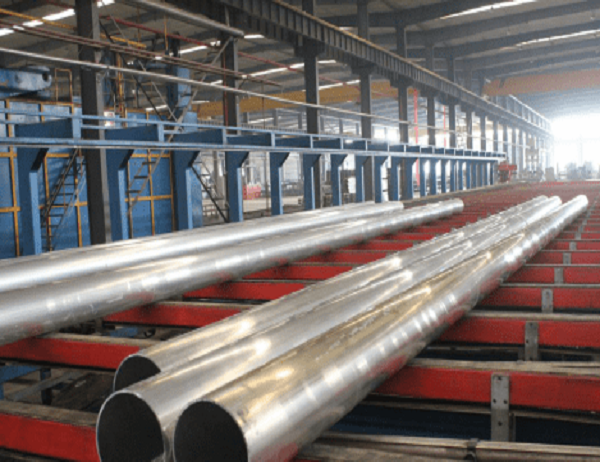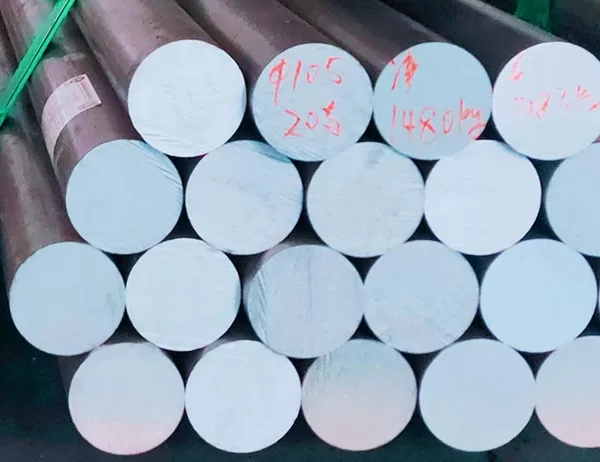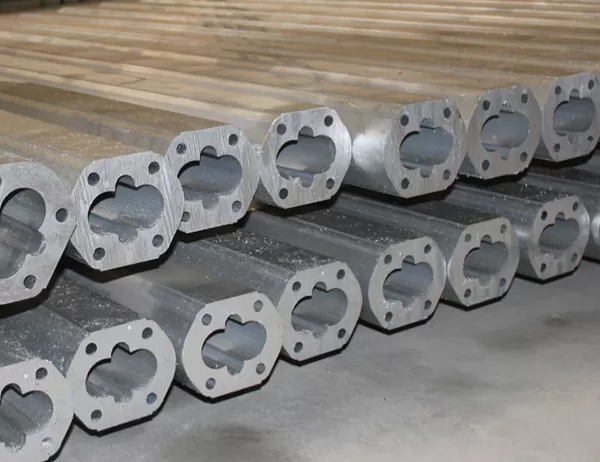
Aluminum kitchen profiles are a popular choice for modern kitchens due to their durability, ease of maintenance, and sleek appearance. However, like any other material, they can encounter issues that require troubleshooting. This article will guide you through some common issues and provide solutions to help you maintain your aluminum kitchen profiles in pristine condition.
Aluminum profiles are generally scratch-resistant, but accidental impacts or abrasive cleaners can cause minor scratches or dents. To remove light scratches, use a soft cloth with a mild abrasive cleaner. For deeper scratches, use a fine-grit sanding sponge and gently rub in the direction of the grain. For dents, carefully tap the affected area with a rubber mallet to reshape the aluminum.
Over time, aluminum kitchen profiles may experience fading or discoloration due to exposure to sunlight, cleaning chemicals, or heat. To prevent fading, avoid using harsh chemicals or excessive heat. To restore discolored profiles, use a metal polish specifically designed for aluminum. Apply the polish with a soft cloth and rub in circular motions until the discoloration disappears.
Oxidation is a natural process that causes aluminum to develop a white or grey film on its surface. While this does not affect the structural integrity of the profiles, it can diminish their aesthetic appeal. To remove oxidation, use a mild acid solution such as white vinegar or lemon juice. Apply the solution to the oxidized area and let it sit for a few minutes. Rinse thoroughly with water and dry with a clean cloth.
Corrosion occurs when aluminum is exposed to moisture or corrosive substances. To prevent corrosion, keep your kitchen well-ventilated and avoid leaving spills or moisture on the profiles. If corrosion occurs, use a soft-bristled brush to remove any loose debris. Apply a commercial corrosion remover to the affected area and follow the manufacturer’s instructions.
Over time, aluminum kitchen profiles can become misaligned due to installation errors or movement. To fix this, loosen the screws or bolts that hold the profiles in place. Carefully adjust the profiles until they are aligned correctly. Tighten the screws or bolts securely to prevent further movement.
Loose connections occur when the screws or bolts that hold the aluminum profiles together become loose. This can cause the profiles to shift or wobble. Tighten any loose screws or bolts to ensure the profiles remain securely connected. If the threads are stripped, replace the damaged screws or bolts with new ones.
Troubleshooting common issues with aluminum kitchen profiles is crucial to maintain their functionality and aesthetic appeal. By following the solutions provided in this article, you can effectively address minor scratches, fading, oxidation, corrosion, misalignment, and loose connections. Regular maintenance and care will help extend the lifespan of your aluminum kitchen profiles and keep them looking pristine for years to come.