
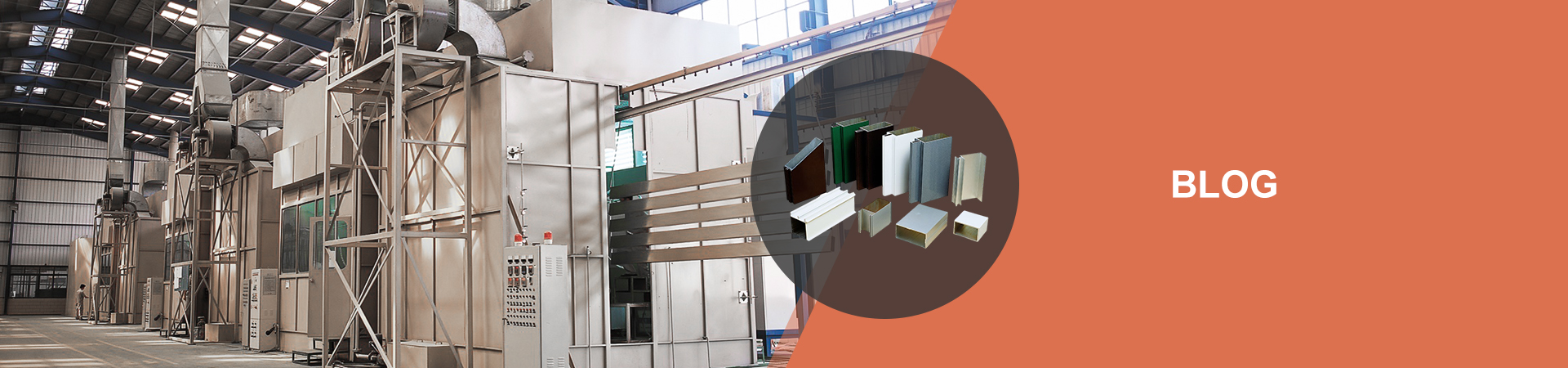
In the ever-evolving landscape of industrial manufacturing, aluminum profiles stand as versatile and indispensable building blocks. These extruded components are the foundation of countless products and structures, ranging from architectural facades to automotive chassis and beyond.
Key Characteristics of Aluminum Profiles
Strength: Aluminum alloys provide an optimal balance between strength, lightness, and corrosion resistance.
Precision: Extrusion processes ensure high dimensional accuracy and consistency, crucial for precise assembly and performance.
Customization: Aluminum profiles can be tailored to specific design requirements, allowing for unique shapes, sizes, and finishes.
Types of Industrial Aluminum Profiles
Structural Profiles: These profiles are designed to withstand high loads and provide structural support. Examples include T-bars, angles, and I-beams.
Architectural Profiles: Used in architectural applications, these profiles offer a combination of aesthetics and structural integrity. They include window frames, door frames, and curtain walls.
Industrial Profiles: These profiles are employed in a wide range of industrial settings, such as conveyors, machinery frames, and support systems. They provide strength, durability, and ease of assembly.
Decorative Profiles: Designed to enhance the visual appeal of a product or structure, these profiles feature decorative elements and finishes. They are often found in furniture, lighting fixtures, and interior design applications.
Benefits of Using Aluminum Profiles
Lightweight: Aluminum alloys are significantly lighter than traditional materials, reducing overall weight and transportation costs.
Corrosion Resistance: Aluminum’s natural oxide layer protects it from corrosion, making it ideal for outdoor and harsh environments.
Thermal Conductivity: Aluminum conducts heat efficiently, making it suitable for applications involving heat dissipation or cooling.
Environmental Sustainability: Aluminum is recyclable, reducing waste and promoting environmental conservation.
Applications of Industrial Aluminum Profiles
The versatility of aluminum profiles makes them applicable in a myriad of industries, including:
Construction
Aerospace
Automotive
Transportation
Machinery
Electronics
Energy
Conclusion
Understanding the different types of industrial aluminum profiles is essential for engineers, designers, and decision-makers seeking high-performance, reliable, and cost-effective solutions. By harnessing the unique properties of aluminum alloys and the precision of extrusion processes, manufacturers can unlock the full potential of these versatile components in a wide range of applications.
