Understanding the Diverse Landscape of Extruded Aluminum Tubes
In the realm of engineering and construction, extruded aluminum tubes emerge as versatile and multifaceted components. Their intricate profiles and exceptional properties make them indispensable for a wide array of applications. Embarking on a journey to unravel the enigmatic world of extruded aluminum tubes unlocks a treasure trove of insights.
Anatomy of an Extruded Aluminum Tube
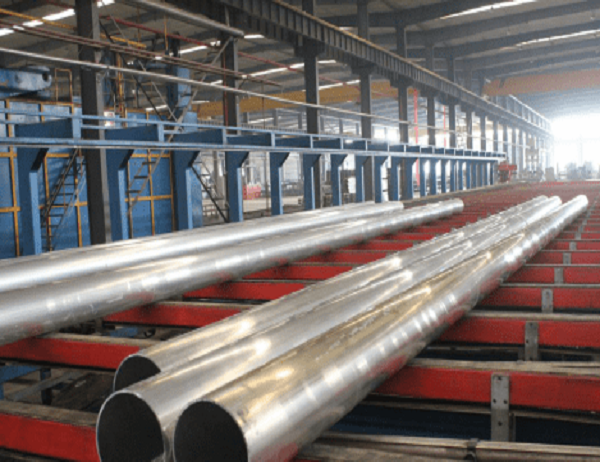
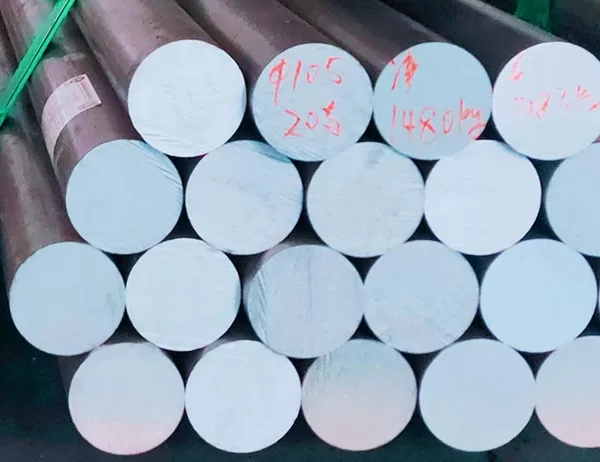
Visualize an aluminum billet, a cylindrical block, subjected to the relentless pressure of a die. As it flows through this confining passage, the aluminum billet transforms into a seamless tube with precise dimensions and an array of configurations. This process, known as extrusion, bestows upon these tubes their distinctive shapes and exceptional strength.
The Spectrum of Shapes and Sizes
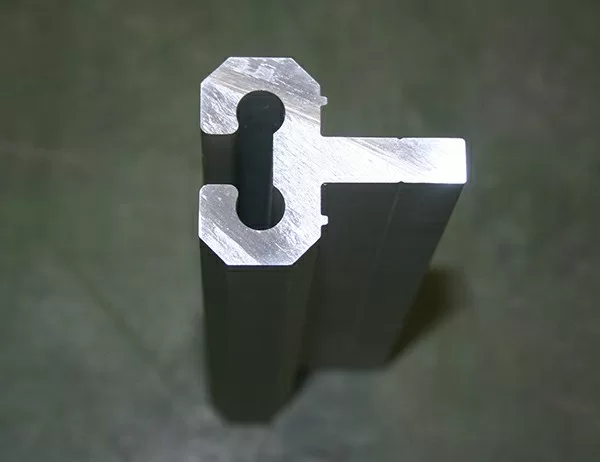
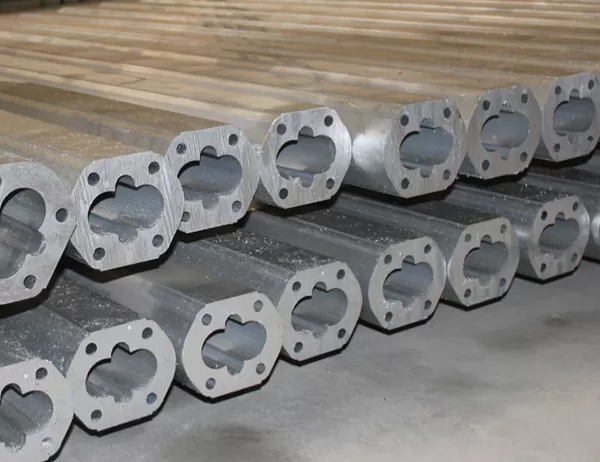
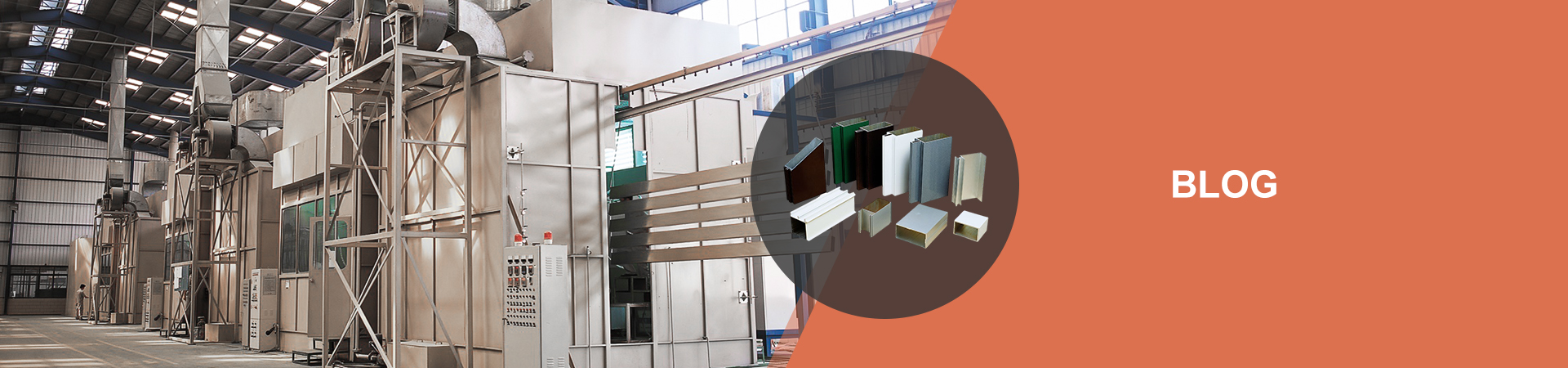
The universe of extruded aluminum tubes spans a vast tapestry of shapes and sizes. From circular and square to hexagonal, octagonal, and even intricate polygonal profiles, these tubes adapt seamlessly to a myriad of design requirements. Their dimensions, ranging from minuscule to colossal, accommodate a multitude of applications.
Unveiling Properties of Aluminum
Aluminum itself possesses remarkable attributes that amplify the capabilities of extruded aluminum tubes. Its inherent lightness, combined with exceptional strength and rigidity, makes it an ideal material for structural components. Moreover, aluminum’s excellent thermal conductivity and corrosion resistance enhance its functionality in demanding environments.
A Myriad of Applications
Extruded aluminum tubes find their niche in a diverse array of industries. In construction, they serve as skeletal frameworks for buildings and bridges. Aerospace engineers harness their lightweight and robust nature for aircraft components. Automotive designers integrate them into chassis and suspension systems. Furthermore, they play a pivotal role in countless household appliances and consumer electronics.
Embracing the Versatility
The versatility of extruded aluminum tubes stems from their ability to be tailored to specific requirements. Through alloying, heat treatments, and surface finishes, these tubes can be meticulously engineered to meet the demands of any project. Their seamless surfaces, coupled with precision tolerances, facilitate seamless integration into intricate designs.
Conclusion
The world of extruded aluminum tubes is an ever-evolving landscape. With advancements in extrusion technology and material science, these tubes continue to push the boundaries of innovation. Understanding their diverse types, properties, and applications empowers engineers, architects, and designers to unlock their full potential in shaping a myriad of industries.