Aluminum heat sinks are essential components in electronic devices, providing efficient thermal management solutions. Understanding their manufacturing process is crucial for optimizing performance and meeting industry standards.
Raw Material and Preparation
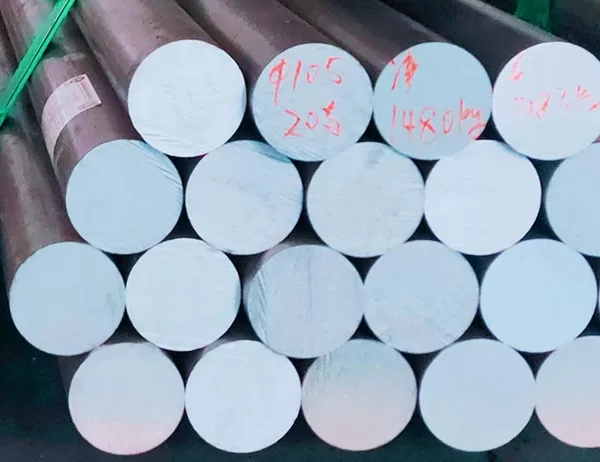
The initial step involves procuring high-purity aluminum, typically in the form of billets or ingots. These billets are subjected to rigorous quality inspections to ensure optimal material composition and minimize impurities. Subsequently, the billets undergo extrusion or rolling processes, transforming them into various shapes and thicknesses.
Extrusion
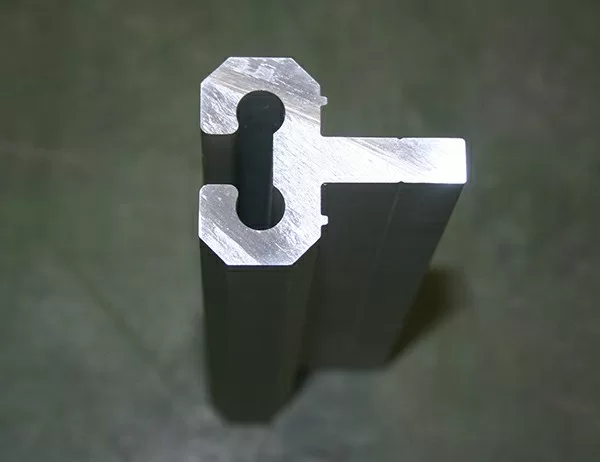
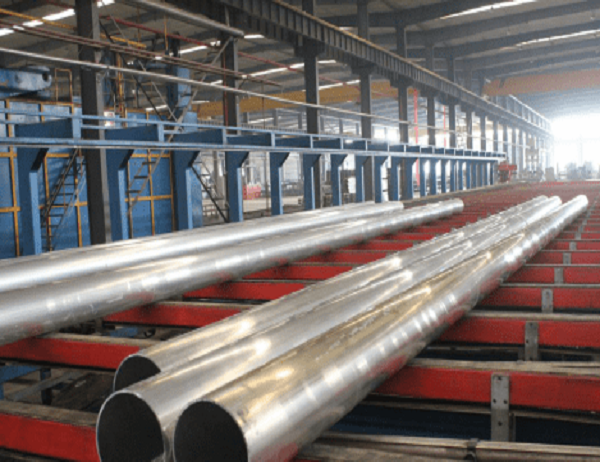
Extrusion is a high-pressure process that forces the aluminum billet through a shaped die, creating the desired heat sink profile. The extruded profiles are then subjected to heat treatment to enhance their mechanical properties and structural integrity.
Cutting and Machining
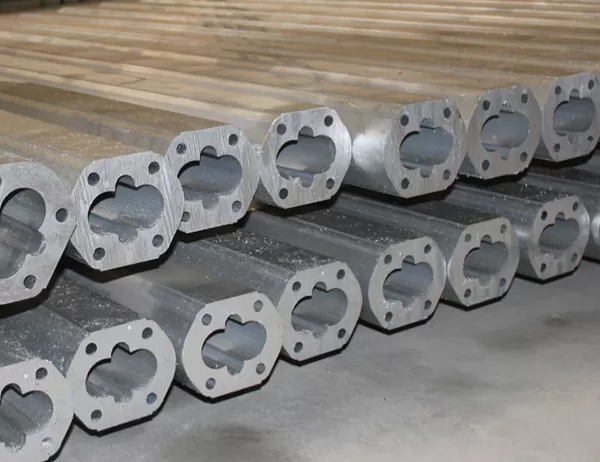
The extruded profiles are cut into specific lengths based on design requirements. Precision machining processes, such as CNC milling, are employed to create intricate fins and other features that maximize heat transfer efficiency. The fins are carefully spaced and optimized to increase surface area and facilitate convection.
Fin Forming
The fins can be formed using various techniques, including stamping, folding, or bending. These processes involve applying controlled force to the aluminum profiles, creating the desired fin geometry. The fin height, thickness, and pitch are critical parameters that influence heat dissipation.
Surface Treatment
To enhance thermal performance and protect against corrosion, the heat sinks undergo surface treatments. Anodization is a common process that forms a protective oxide layer on the aluminum surface, increasing its durability and thermal conductivity. Other surface treatments include chromate conversion coating and electroless nickel plating.
Assembly and Testing
The individual components of the heat sink, including the baseplate, fins, and any mounting hardware, are assembled together. The final assembly undergoes rigorous testing to ensure compliance with industry standards. Thermal performance tests evaluate the heat sink’s ability to transfer heat effectively.
Quality Control
Throughout the manufacturing process, stringent quality control measures are implemented to ensure the highest quality standards. This includes non-destructive testing (NDT) techniques, such as ultrasonic inspection, to identify any defects or flaws in the materials or components.