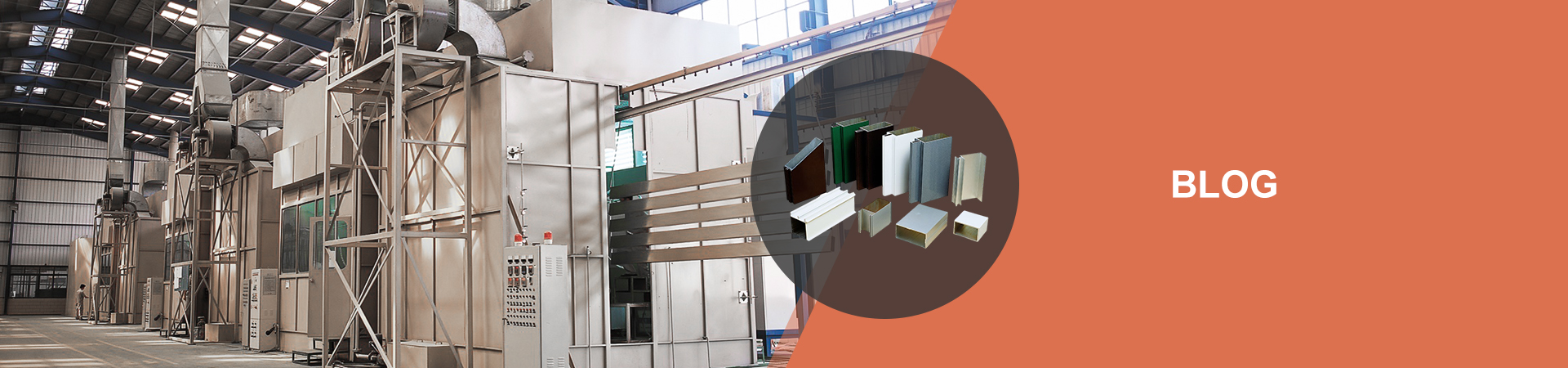
The industrial world relies heavily on aluminum tubes for a wide range of applications, from construction to automotive manufacturing. Aluminum tube suppliers play a crucial role in meeting the demands of various industries by providing high-quality tubes that meet specific requirements.
Essential Properties and Applications
Aluminum tubes possess exceptional properties that make them indispensable for industrial use:
Lightweight: Aluminum’s low density makes it an ideal choice for applications where weight reduction is critical, such as aerospace and transportation.
Corrosion-Resistant: Aluminum’s natural oxide layer provides excellent corrosion resistance, making it suitable for exposure to harsh environments and chemicals.
High Strength-to-Weight Ratio: Aluminum tubes offer a high strength-to-weight ratio, allowing for the creation of lightweight yet durable structures.
Excellent Thermal and Electrical Conductivity: Aluminum’s high thermal and electrical conductivity makes it a preferred choice for heat exchangers and electrical components.
These properties make aluminum tubes suitable for applications in various industries, including:
Construction: Roofing, siding, gutters, and structural components
Transportation: Automotive frames, aircraft skins, and fuel lines
Aerospace: Rocket components, satellite structures, and heat exchangers
Electronics: Heat sinks, power distribution systems, and enclosures
Medical: Prosthetic limbs, medical equipment, and implantable devices
Types and Manufacturing Processes
Aluminum tube suppliers offer various types of aluminum tubes tailored to different applications:
Seamless Tubes: These tubes are manufactured from a single piece of aluminum, providing consistent wall thickness and superior strength.
Welded Tubes: Produced by welding aluminum strips together, these tubes offer excellent corrosion resistance and cost-effectiveness.
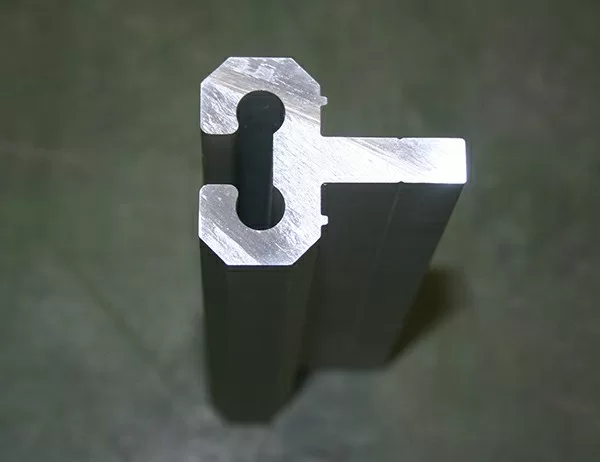
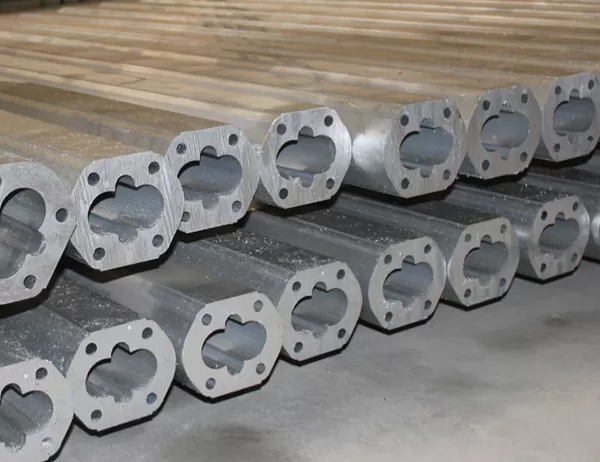
Extruded Tubes: Created by forcing molten aluminum through a die, extruded tubes provide precise dimensional accuracy and a wide range of shapes.
The manufacturing process for aluminum tubes involves several steps:
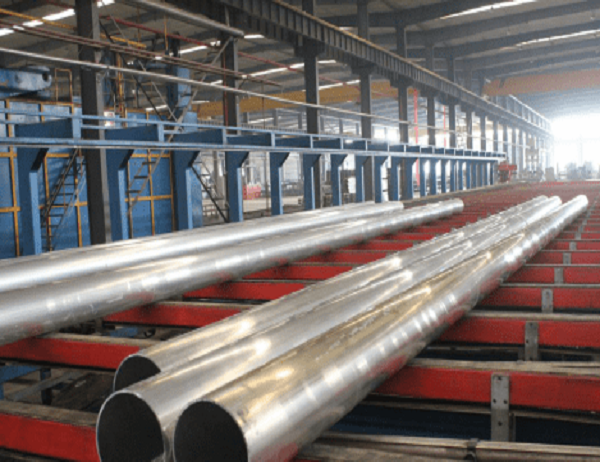
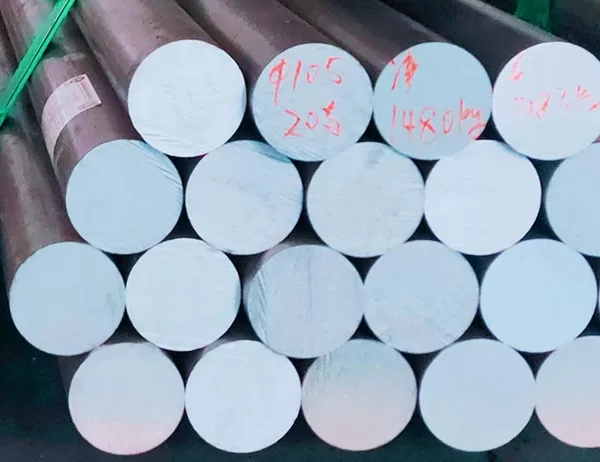
Extrusion or Rolling: Aluminum is extruded or rolled into the desired shape and size.
Heat Treatment: The tubes undergo heat treatment to enhance their strength and properties.
Drawing: The tubes are cold-drawn to reduce their diameter and improve their surface finish.
Finishing: Final processes such as anodizing, painting, or powder coating are applied to improve corrosion resistance and aesthetics.
Selecting the Right Aluminum Tube Supplier
Choosing the right aluminum tube supplier is crucial for ensuring the quality and reliability of your products. Consider the following factors:
Reputation and Experience: Look for suppliers with a proven track record of delivering high-quality tubes to the industry.
Materials and Certifications: Ensure the supplier uses high-purity aluminum and complies with relevant industry certifications.
Manufacturing Capabilities: The supplier should have the ability to produce tubes of the required size, shape, and specifications.
Quality Control: Verify the supplier’s quality control measures and adherence to industry standards.
Customer Service: Excellent customer service is essential for providing technical support, timely delivery, and handling of any issues.