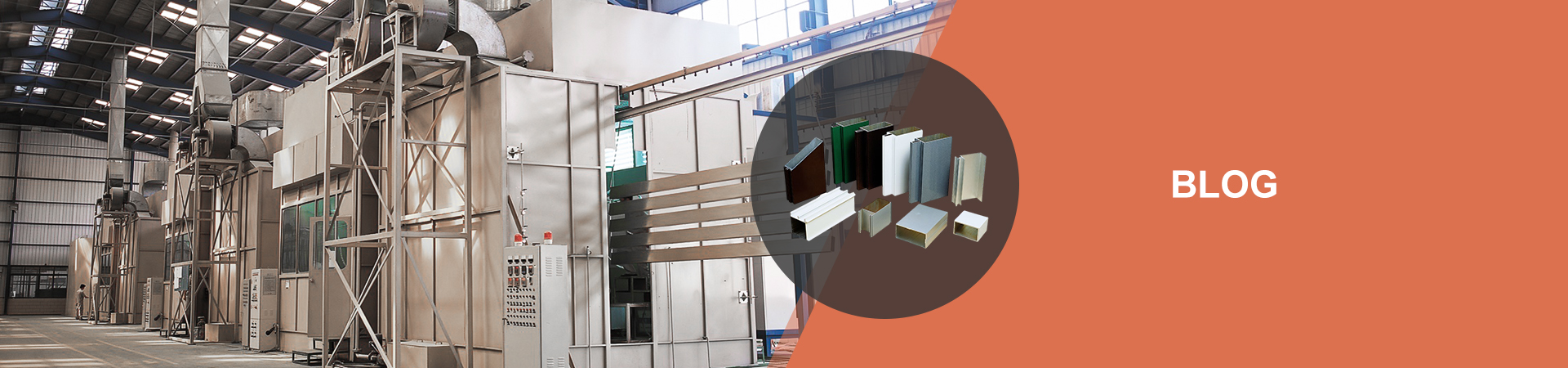
In the realm of structural engineering and fabrication, the comprehension of the strength and durability of 100mm aluminum tubes is paramount. These tubes, renowned for their versatility and robust nature, find extensive applications in a multitude of industries, including construction, automotive, aerospace, and consumer electronics. To ensure optimal performance and longevity in these demanding applications, a thorough understanding of their properties and behavior is essential.
Mechanical Properties
The strength of 100mm aluminum tubes is attributed to their exceptional mechanical properties:
Tensile Strength: Aluminum exhibits a high tensile strength-to-weight ratio, enabling it to withstand substantial pulling forces without yielding or breaking.
Compressive Strength: These tubes possess an equally impressive compressive strength, allowing them to resist being crushed or collapsed under compressive loads.
Shear Strength: The shear strength of 100mm aluminum tubes ensures their ability to withstand forces that tend to cause them to twist or slide relative to their axis.
Durability Characteristics
Beyond their mechanical strength, 100mm aluminum tubes exhibit exceptional durability:
Corrosion Resistance: Aluminum naturally forms a protective oxide layer that shields it from corrosion by environmental elements. This property enhances the tubes’ longevity in harsh and corrosive environments.
Weather Resistance: Aluminum’s inert nature makes it resistant to the damaging effects of weather, including exposure to sunlight, extreme temperatures, and moisture.
Fire Resistance: Aluminum is a naturally fire-resistant material, exhibiting a high melting point and low flammability. This characteristic makes 100mm aluminum tubes suitable for use in structures and applications requiring high levels of fire protection.
Structural Considerations
Incorporating 100mm aluminum tubes into structural designs requires careful consideration of their structural capabilities:
Bending Strength: These tubes can withstand bending forces without significant deformation, making them suitable for applications involving curved or arched structures.
Torsional Rigidity: The circular cross-section of the tubes provides excellent torsional rigidity, resisting twisting and maintaining structural integrity.
Load Capacity: The load-bearing capacity of 100mm aluminum tubes varies depending on their alloy composition, thickness, and length. Engineers must carefully select the appropriate tube size and grade to meet specific load requirements.
Applications
Given their exceptional strength, durability, and versatility, 100mm aluminum tubes are employed in a wide range of applications:
Construction: Structural supports, beams, and trusses
Automotive: Frames, engine components, and exhaust systems
Aerospace: Aircraft structures, fuel tanks, and landing gear
Consumer Electronics: Housing for laptops, smartphones, and electronic devices
Conclusion
Understanding the strength and durability of 100mm aluminum tubes is crucial for engineers, architects, and fabricators to optimize structural designs and ensure the longevity of products and infrastructure. By considering their mechanical properties, durability characteristics, and structural capabilities, professionals can harness the full potential of these exceptional tubes in a multitude of demanding applications.