Solar Aluminum Frame: The Backbone of Modern Solar Energy Systems
In the rapidly evolving world of renewable energy, the efficiency and longevity of a solar panel installation hinge on much more than just the photovoltaic cells themselves. While the cells capture the sunlight, it is the supporting structure—the solar aluminum frame—that ensures their stability, durability, and optimal performance for decades. As the demand for robust and reliable solar solutions grows, the choice of framing material becomes paramount. This is where precision engineering meets material science, and where brands like GOLDAPPLE-ALU establish their critical role in the global clean energy ecosystem.
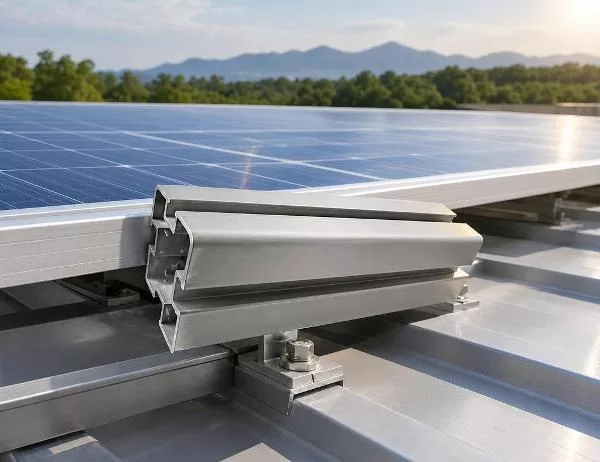
The fundamental job of a solar aluminum frame is deceptively simple: to provide a rigid, protective enclosure for the delicate glass and silicon assembly within. However, the challenges it must withstand are extreme. From the scorching heat of desert sun to corrosive salt sprays in coastal regions, from heavy snow loads to high-velocity winds, the frame is the first line of defense. Aluminum, specifically alloy 6063 or 6061, has emerged as the undisputed champion for this task. Its exceptional strength-to-weight ratio, innate corrosion resistance, and unparalleled durability make it the ideal candidate. GOLDAPPLE-ALU leverages these inherent properties, pushing them further through advanced manufacturing techniques to create frames that are not just components, but the foundational backbone of a power-generating asset.
Strength and Stability: The Engineering Core
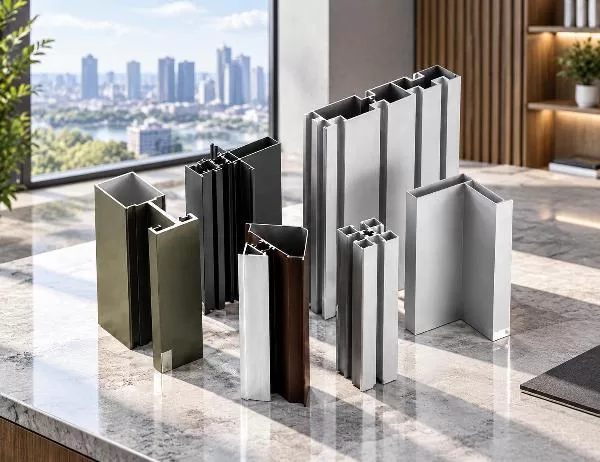
A GOLDAPPLE-ALU solar frame is engineered for uncompromising structural integrity. The aluminum alloy undergoes precise extrusion processes, forming profiles with consistent wall thickness and superior mechanical properties. The design often incorporates reinforced corners and strategic ribbing, significantly increasing the frame’s torsional rigidity. This is crucial for preventing micro-cracks in the solar cells during transport, installation, and under mechanical stress. A rigid frame ensures the entire panel remains perfectly planar, maintaining the intended angle for maximum sunlight absorption. Furthermore, this strength allows for the creation of larger-format panels, a growing trend in the industry, without sacrificing stability or increasing weight disproportionately.
Lightweight Durability and Corrosion Resistance
One of aluminum’s greatest advantages is its light weight, which simplifies logistics, reduces installation costs, and minimizes stress on mounting structures. GOLDAPPLE-ALU optimizes this characteristic, ensuring their frames provide maximum strength with minimal mass. However, lightweight cannot come at the expense of longevity. Aluminum naturally forms a protective oxide layer, but for harsh environments, GOLDAPPLE-ALU employs sophisticated surface treatments. Anodic oxidation is a common and highly effective process, creating a thicker, harder, and more resilient ceramic layer on the aluminum surface. This layer is integral to the metal, preventing chipping or peeling, and offers exceptional resistance to UV degradation, moisture, and chemical corrosion. For even more demanding applications, powder coating options are available, providing additional protection and the possibility for custom colors to meet aesthetic requirements of specific projects.
Precision and Compatibility: Ensuring Seamless Integration
A high-quality frame must be a model of precision. Dimensional accuracy is non-negotiable for smooth integration with industry-standard mounting systems—clamps, bolts, and rails. GOLDAPPLE-ALU maintains tight tolerances in the extrusion and cutting processes, ensuring every frame section fits perfectly. The pre-drilled mounting holes are positioned with accuracy, facilitating faster, error-free installation. This precision engineering reduces on-site labor time and eliminates potential points of failure caused by misalignment, which can lead to stress concentrations and long-term damage.
Thermal Management and Sustainability
Aluminum plays a subtle yet vital role in the thermal performance of a solar panel. It acts as a heat sink, helping to dissipate the excess heat generated by the operating solar cells. While excessive heat reduces cell efficiency, the conductive nature of the aluminum frame helps in managing these temperatures, contributing to more consistent power output. Beyond its functional role, aluminum is also a champion of sustainability—a core value of the solar industry. It is 100% recyclable without any loss of its inherent qualities. GOLDAPPLE-ALU embraces this circular economy principle, often utilizing a significant percentage of recycled content in their frames and ensuring that production waste is recaptured and reused, thereby drastically lowering the carbon footprint of the final product.
The GOLDAPPLE-ALU Commitment: More Than a Frame
Choosing a GOLDAPPLE-ALU solar aluminum frame is an investment in the total lifecycle value of a solar installation. It represents a commitment to quality that transcends the visible. It is the assurance that the solar panels will maintain their structural and aesthetic integrity for 25 years or more, reliably protecting the valuable assets they enclose. For developers, installers, and end-users, this translates into reduced maintenance costs, minimized risk of premature failure, and ultimately, a higher and more stable return on investment.
As the solar industry continues to scale and innovate, the components that provide reliability and longevity become increasingly critical. The solar aluminum frame, especially one engineered with the expertise and commitment of GOLDAPPLE-ALU, is far from a passive accessory. It is an active, intelligent component that safeguards performance, enables new panel technologies, and upholds the promise of clean, sustainable energy for generations to come. In building the future of energy, a strong foundation is everything.