Aluminum profiles have become increasingly popular in kitchen cabinet construction due to their exceptional durability, versatility, and aesthetic appeal. This comprehensive guide will provide you with an in-depth understanding of aluminum profiles and their advantages in kitchen cabinet applications.
Durability: Aluminum profiles are incredibly durable and can withstand everyday wear and tear, moisture, and heat without warping or deteriorating. They are perfect for high-traffic areas and kitchens with humid environments.
Versatility: Aluminum profiles can be anodized or painted in various colors and finishes to match any kitchen decor. They can also be customized to create unique cabinet designs and configurations.
Low Maintenance: Aluminum profiles require minimal maintenance compared to wood or laminate. They are easy to clean with a damp cloth and do not require regular sealing or painting.
Sustainability: Aluminum is a sustainable material that can be recycled repeatedly without losing its structural integrity. This makes it an environmentally friendly option for kitchen cabinets.
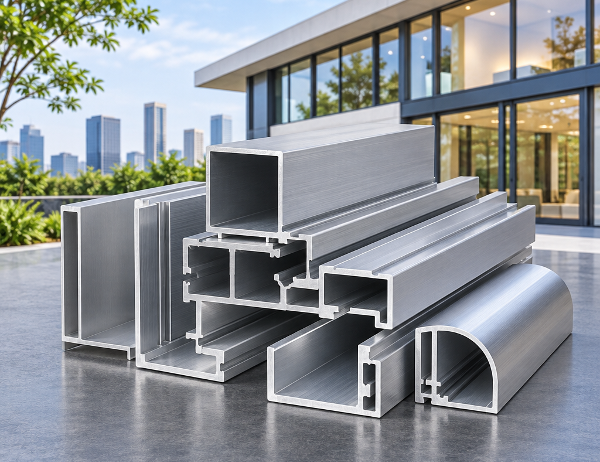
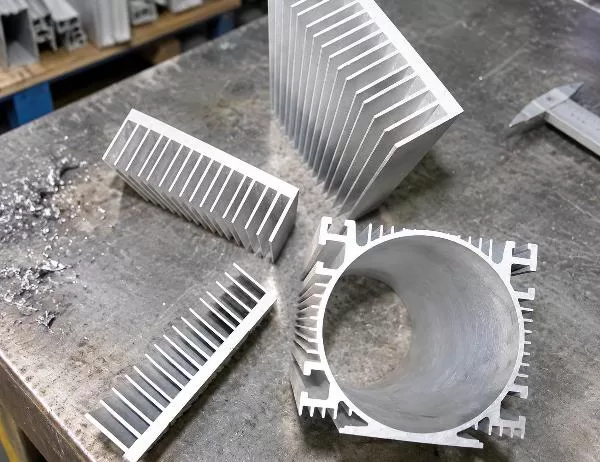
Extruded Profiles: These profiles are created by forcing molten aluminum through a die to create specific shapes. They are known for their strength and can be used for cabinet frames, doors, and drawers.
Roll-Formed Profiles: These profiles are formed by rolling aluminum sheets into specific shapes. They are lightweight and flexible, making them ideal for cabinet panels, shelves, and backsplashes.
Fenestration Profiles: These profiles are designed to connect and support glass or acrylic panels in kitchen cabinets. They provide a sleek and modern look and are often used in cabinet doors and windows.
Door Styles: Aluminum profiles allow for various door styles, including frameless, framed, and shaker. Choose a style that complements your kitchen’s overall design and personal preferences.
Cabinet Sizes: Aluminum profiles can be customized to fit any cabinet size or shape. Consider the space available and the desired storage capacity when determining the size of your cabinets.
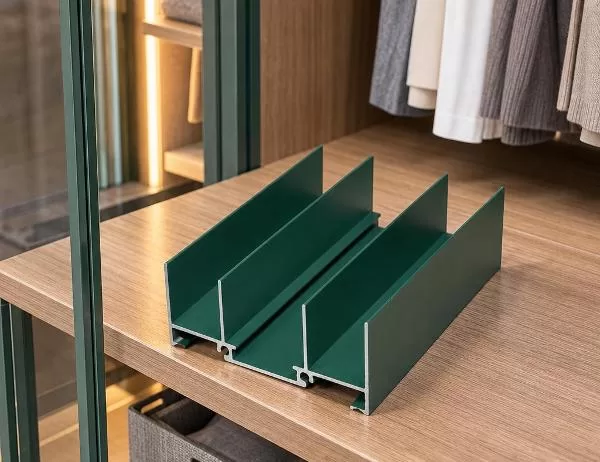
Color and Finish: Select the color and finish of your aluminum profiles that match your kitchen decor and personal style. Popular options include anodized silver, black, white, and brushed aluminum.
Hardware: Choose high-quality hardware, such as hinges, knobs, and handles, to complement the aluminum profiles and enhance the functionality of your cabinets.
Professional Installation: While aluminum profiles are relatively easy to install, it is recommended to hire a professional for optimal results.
Cut to Size: Use a saw designed for cutting aluminum to cut the profiles to the desired lengths and angles.
Securely Fasten: Use appropriate screws and bolts to secure the aluminum profiles firmly to the cabinet frame and other components.
Clean Regularly: Wipe down the aluminum profiles with a damp cloth to remove dirt and grime. Avoid using harsh cleaners or abrasive materials.