The increasing demand for sustainable energy has led to a surge in the adoption of solar panels. Optimal performance and longevity of these panels largely depend on the quality of their installation, particularly the framing system. Aluminum solar panel frames offer superior advantages over traditional materials, but their installation requires meticulous attention to detail to ensure maximum efficiency and durability.
Considerations for Aluminum Solar Panel Frame Installation
Material Selection
The primary consideration for aluminum solar panel frame installation is the selection of high-quality materials. Choose aluminum alloys that possess high strength-to-weight ratio, corrosion resistance, and thermal conductivity. Consider factors such as the climate and environmental conditions in the installation area to determine the most suitable alloy composition.
Design and Engineering
The design of the aluminum solar panel frame must account for factors such as:
– Structural Integrity: Ensure the frame can withstand static and dynamic loads, including wind, snow, and seismic forces.
– Optimal Angle: Calculate the optimal tilt angle based on the panel specifications and geographical location to maximize solar energy absorption.
– Ventilation: Provide adequate ventilation to prevent moisture accumulation and panel overheating.
Installation Process
Foundation and Grounding
– Site Preparation: Level the installation site and ensure proper drainage to prevent water accumulation.
– Grounding: Connect the frame to the electrical grounding system to protect against lightning strikes and other electrical hazards.
Frame Assembly
– Precision Measurement: Accurately measure and mark the frame components to ensure a precise and secure assembly.
– Bolting and Tightening: Use stainless steel bolts and torque to the manufacturer’s specifications to create a strong and durable connection.
– Corner Bracing: Install corner braces to provide additional rigidity and stability.
Panel Mounting
– Proper Spacing: Maintain uniform spacing between the panels to prevent interference and ensure optimal airflow.
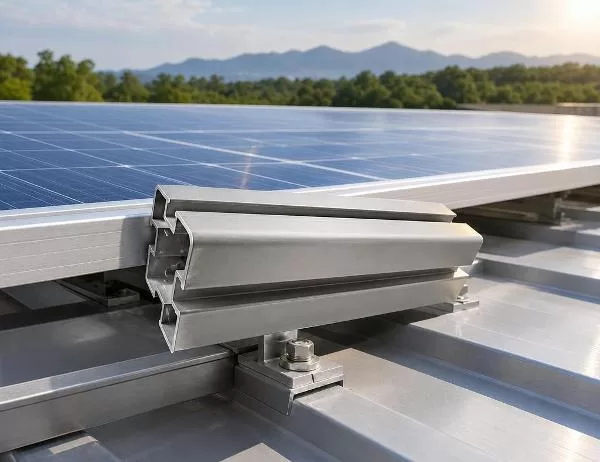
– Secure Attachment: Use clamps or mounting brackets to securely attach the panels to the frame, ensuring they are level and aligned.
Inspection and Maintenance
Regular Inspections
– Visual Inspection: Regularly inspect the frame and panels for any visible damage, corrosion, or loose connections.
– Thermal Imaging: Use thermal imaging to detect hot spots or thermal imbalances that may indicate underlying issues.
Maintenance
– Cleaning: Regularly clean the panels and frame to remove dirt, debris, and other contaminants that can impair performance.
– Re-tightening: Periodically re-tighten bolts and connections to ensure stability and prevent loosening over time.
By following these best practices for aluminum solar panel frame installation, installers can optimize the performance, durability, and safety of their solar systems. A well-designed and professionally installed aluminum solar panel frame will provide reliable and efficient clean energy for many years to come.