Comparing Extruded Aluminum Tubes to Other Materials: A Quest for Strength and Versatility
In the realm of construction and engineering, the choice of materials is paramount. Among the myriad options, extruded aluminum tubes stand tall, boasting an array of exceptional qualities that set them apart from their counterparts. This article delves into the captivating competition between aluminum tubes and other materials, highlighting their unique strengths and potential applications.
Mechanical Properties: A Clash of Titans
Aluminum tubes possess a remarkable combination of strength, durability, and lightness. Their extruded design ensures a consistent cross-section, eliminating the risk of fractures and maximizing load-bearing capacity. Compared to steel tubes, aluminum offers a higher strength-to-weight ratio, making it ideal for applications where weight reduction is crucial.
Corrosion Resistance: A Battle Against the Elements
The corrosion resistance of aluminum tubes is another key advantage. Unlike steel, which is susceptible to rust and oxidation, aluminum forms a protective oxide layer that shields it from harsh environmental conditions. This makes aluminum tubes an excellent choice for marine environments, chemical processing plants, and outdoor applications where durability is paramount.
Versatility and Design Flexibility: The Shape-Shifter’s Triumph
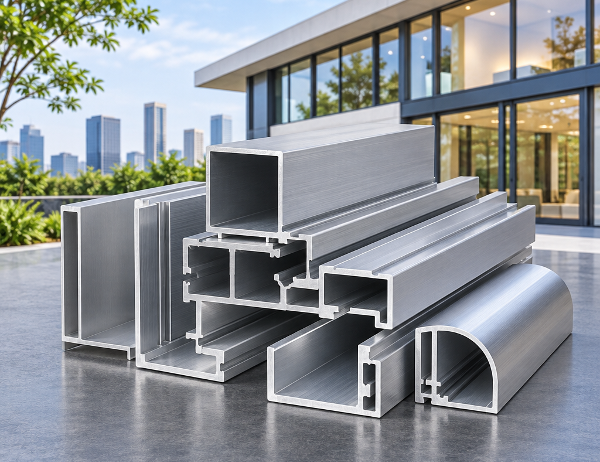
Extruded aluminum tubes come in a wide variety of shapes, sizes, and finishes. This inherent versatility allows for customization to suit specific design requirements. From sleek cylindrical tubes to complex multi-chambered profiles, aluminum tubes can seamlessly integrate into any architectural or structural design.
Thermal and Electrical Conductivity: Harnessing Energy
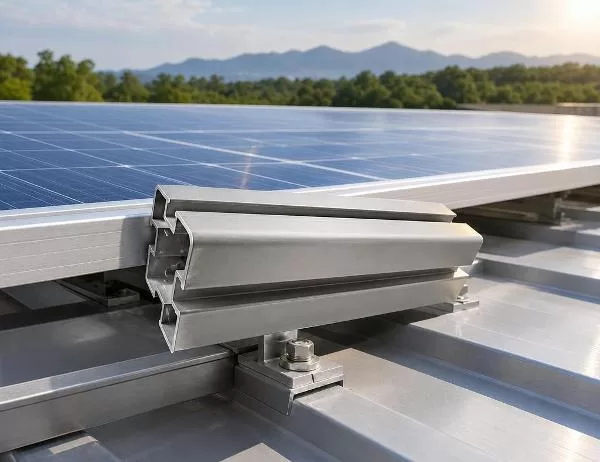
Aluminum’s high thermal conductivity makes it an efficient heat conductor. This property enables aluminum tubes to serve as heat exchangers, refrigeration systems, and even solar panels. Their excellent electrical conductivity also makes them ideal for electrical components, such as busbars, transformers, and wiring applications.
Cost and Sustainability: A Balancing Act
While aluminum tubes can be more expensive than some other materials, such as steel, their long lifespan and low maintenance costs often make them a more cost-effective option in the long run. Additionally, aluminum is a highly recyclable material, contributing to sustainability and reducing environmental impact.
Conclusion
The comparison of extruded aluminum tubes to other materials reveals a fascinating tale of strength, durability, versatility, and sustainability. Aluminum tubes reign supreme in applications where weight reduction, corrosion resistance, design flexibility, and energy efficiency are paramount. Their ability to adapt to diverse requirements makes them an indispensable choice for architects, engineers, and manufacturers seeking superior performance and aesthetic appeal.