Extruded aluminum tubes offer versatility and adaptability for a wide range of applications. Customization allows these tubes to be tailored to specific requirements, meeting the unique needs of various industries. This article delves into the key aspects of customizing extruded aluminum tubes for specialized applications.
Material Selection
The choice of aluminum alloy determines the mechanical properties, corrosion resistance, and weight of the extruded tube. Various alloys, such as 6061, 6063, and 7075, offer distinct characteristics tailored to specific needs. For instance, 6061 aluminum is known for its high strength-to-weight ratio, while 7075 aluminum provides superior strength and durability.
Dimensions and Tolerances
Extruded aluminum tubes can be customized to precise dimensions and tolerances. The diameter, wall thickness, and length of the tubes can be tailored to accommodate specific applications. Tight tolerances ensure accurate fit and functionality, whether for structural support, fluid conveyance, or aesthetic purposes.
Shape and Cross-Section
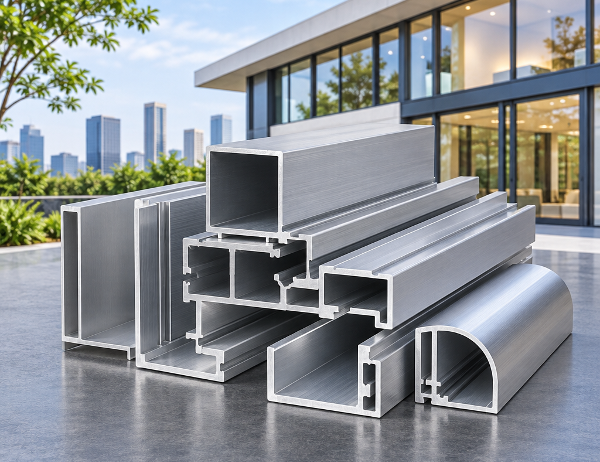
In addition to round tubes, extruded aluminum tubes can be manufactured with custom shapes and cross-sections. This allows for unique designs and intricate geometries that cater to specific functional requirements. For example, square or rectangular tubes provide increased rigidity for structural applications, while oval or hexagonal tubes offer improved flow characteristics in fluid systems.
Surface Finishes
Customizing the surface finish of extruded aluminum tubes enhances both aesthetics and functionality. Options include anodized coatings, which provide corrosion resistance and color options; powder coating, which offers a wide range of colors and textures; and mechanical finishes, such as brushing or polishing, which improve surface smoothness and appearance.
Additional Features
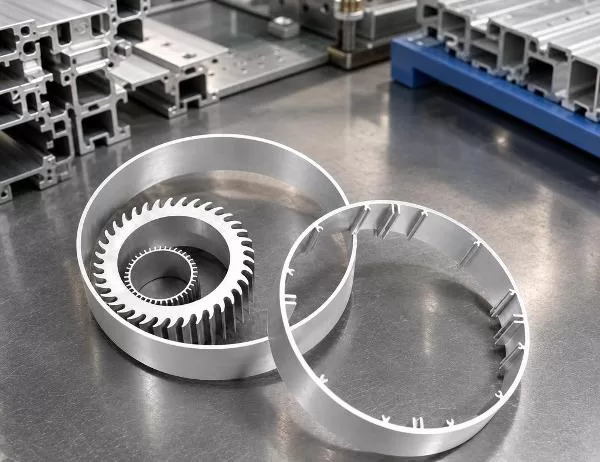
To meet specific application requirements, extruded aluminum tubes can be integrated with additional features. These may include precision machining, cutting, and drilling for custom configurations; welding or joining for complex assemblies; and integration of inserts or threads for enhanced functionality. These features allow for tailored solutions that seamlessly integrate into the desired application.
Conclusion
Customizing extruded aluminum tubes provides the flexibility to meet the unique demands of various industries. By carefully considering material selection, dimensions, shape, surface finishes, and additional features, manufacturers can engineer extruded aluminum tubes that meet specific performance, aesthetic, and functional requirements. This versatility makes extruded aluminum tubes an ideal solution for demanding applications, from structural components to fluid systems and beyond.