Design Considerations for Extruded Aluminium Tubes: Shaping the Future of Engineering
Extruded aluminium tubes, with their unparalleled versatility and strength, have revolutionized countless industries, from aerospace to medical. Harnessing their potential demands a meticulous approach to design, meticulously considering factors that mold their functionality and longevity.
Material Composition and Alloy Selection:
The choice of aluminium alloy directly impacts the tube’s strength, corrosion resistance, and machinability. Alloys with higher magnesium content offer exceptional strength, while copper additions enhance electrical conductivity. Understanding the intended application and environmental conditions is crucial for selecting the optimal alloy.
Cross-Sectional Design:
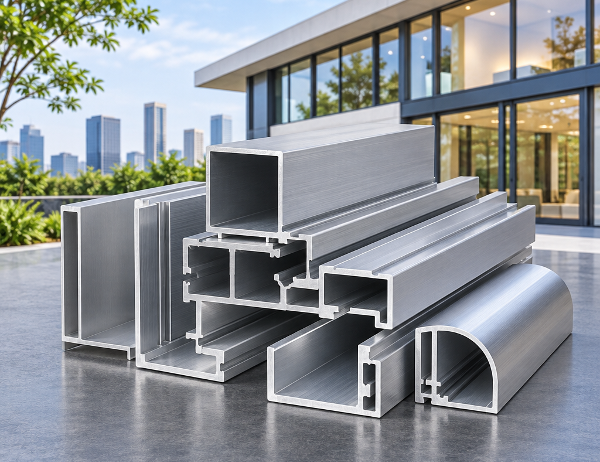
The tube’s cross-sectional shape determines its structural integrity and fluid flow characteristics. Round tubes provide uniform strength and low pressure drop, while square or rectangular tubes offer higher bending resistance but increased drag. Elliptical or oval tubes can balance these properties, optimizing flow efficiency and structural stability.
Wall Thickness and Tolerance:
The wall thickness determines the tube’s ability to withstand internal and external pressures. Uniformity in wall thickness ensures structural integrity and prevents stress concentrations. Precision tolerances are critical for demanding applications such as hydraulics or medical devices.
Surface Treatment and Coatings:
Surface treatment processes, such as anodizing, electropolishing, or powder coating, enhance corrosion resistance, improve wear resistance, and customize the tube’s appearance. Coatings can also provide electrical insulation, thermal protection, or antimicrobial properties.
Extrusion Process Optimization:
The extrusion process itself significantly influences the tube’s properties. Controlling temperature, extrusion speed, and tooling design optimizes grain structure, reduces defects, and ensures consistent quality. Advanced extrusion techniques, such as seamless extrusion, eliminate weld lines, resulting in superior structural integrity.
Joining and Assembly:
Joining techniques, such as welding, bonding, or mechanical fasteners, must be carefully considered to maintain the tube’s structural integrity and prevent leaks. Adhesive bonding offers flexibility and vibration dampening, while welding provides higher strength for critical applications.
By meticulously considering these design aspects, engineers can unlock the full potential of extruded aluminium tubes, creating lightweight, durable, and versatile components that drive innovation across diverse industries.