Introduction
Industrial aluminum profiles have emerged as a versatile and innovative material for designing structural solutions in various industries. Their exceptional properties, including lightweight, high strength, corrosion resistance, and ease of fabrication, make them an ideal choice for a wide range of applications. This paper explores the diverse aspects of designing structural solutions using industrial aluminum profiles, highlighting their advantages and providing valuable insights for engineers and designers.
Structural Advantages
– Lightweight and High Strength: Aluminum profiles possess a superior strength-to-weight ratio, enabling the construction of lightweight structures without compromising their load-bearing capacity. This advantage is particularly beneficial in industries where weight optimization is crucial, such as aerospace and transportation.
– Corrosion Resistance: Aluminum’s inherent corrosion resistance makes it highly suitable for applications exposed to harsh environments, including marine, chemical, and automotive industries. By minimizing the risk of corrosion, aluminum profiles ensure long-term structural integrity and reduce maintenance costs.
– Dimensional Accuracy and Precision: Industrial aluminum profiles are manufactured with high precision, ensuring tight tolerances and accurate dimensions. This precision enables the creation of complex structural assemblies with precise fits and minimal assembly time.
Flexibility and Versatility
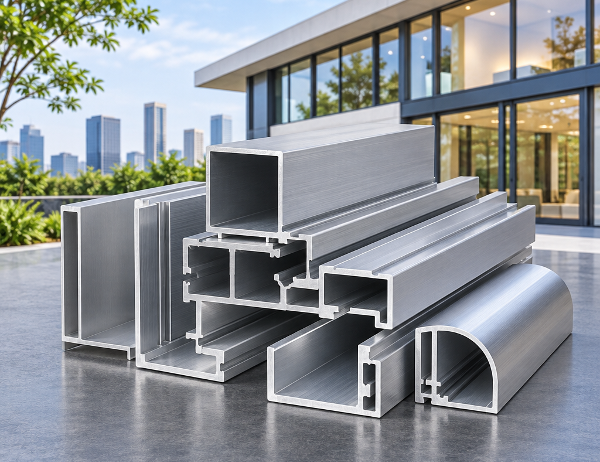
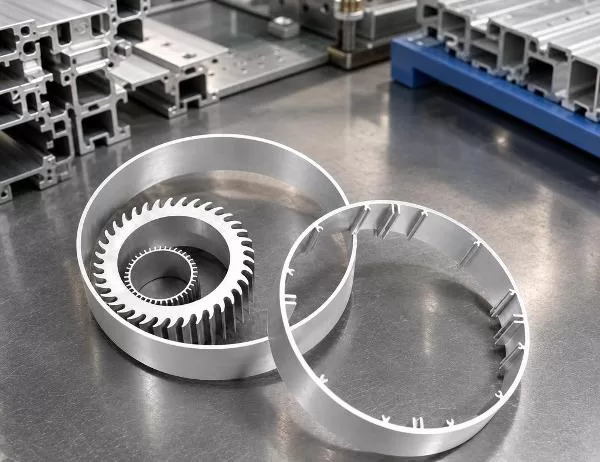
– Customizable Profiles: Aluminum profiles can be customized to meet specific design requirements. By modifying the profile shape, thickness, and alloy composition, designers can tailor profiles to optimize structural performance and meet specific application needs.
– Flexibility in Design: Aluminum profiles’ inherent flexibility allows for creative structural design. They can be bent, curved, or manipulated into various shapes, enabling the construction of complex and aesthetically pleasing structures that meet unique design requirements.
– Ease of Assembly: Aluminum profiles are typically assembled using simple mechanical fasteners, such as bolts and screws. This ease of assembly reduces fabrication time and costs, making them a cost-effective solution for structural applications.
Economic Considerations
– Cost Efficiency: Industrial aluminum profiles are a cost-effective alternative to traditional structural materials, such as steel or wood. Their lightweight and corrosion resistance reduce maintenance costs over the long term, making them an economical solution for structural applications.
– Environmental Sustainability: Aluminum is a highly recyclable material, contributing to environmental sustainability. By using aluminum profiles, designers can create environmentally friendly structures that minimize waste and reduce their carbon footprint.
Conclusion
Designing structural solutions with industrial aluminum profiles offers numerous advantages, including structural integrity, flexibility, and economic benefits. Their lightweight, high strength, corrosion resistance, and customizability make them an ideal choice for engineers and designers across diverse industries. By leveraging the unique properties of aluminum profiles, innovative and durable structural solutions can be achieved, meeting the demands of today’s complex engineering challenges.