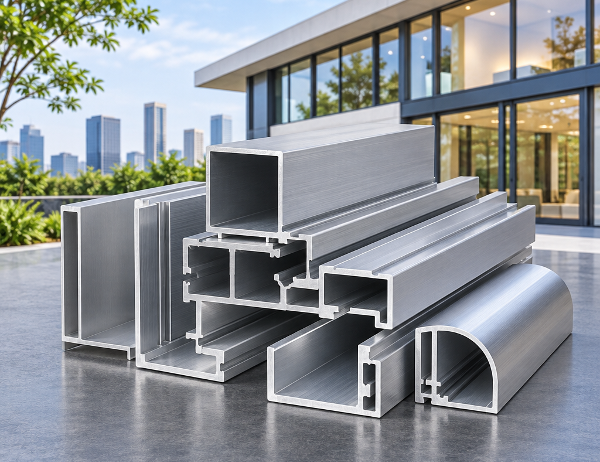
The quest for lightweight and robust materials has led to the ascendancy of aluminum alloy pipes in various engineering applications. Aluminum alloys possess exceptional strength, corrosion resistance, and weldability, making them ideal for enhancing structural integrity in a wide range of industries. This article delves into the multifaceted benefits of aluminum alloy pipes, highlighting their ability to improve structural performance and durability.
Aluminum alloy pipes exhibit unparalleled strength and stiffness, enabling them to withstand substantial force loads and deformations. The presence of alloying elements, such as magnesium and manganese, enhances the material’s mechanical properties, making it capable of承受high stress and maintaining dimensional stability. This exceptional strength-to-weight ratio allows for the design of lightweight yet durable structures, particularly critical in aerospace and automotive applications.
Aluminum alloys are renowned for their exceptional corrosion resistance, which is attributed to the formation of a protective oxide layer on their surface. This passive layer inhibits the ingress of corrosive agents, ensuring that aluminum alloy pipes maintain their structural integrity even in harsh environments. Their ability to withstand harsh marine conditions makes them ideal for shipbuilding and offshore structures.
The weldability of aluminum alloy pipes is another key advantage. They can be joined using various welding techniques, including TIG, MIG, and laser welding, without compromising their strength or corrosion resistance. This ease of welding facilitates the fabrication of complex structures, reducing the need for mechanical fasteners and ensuring seamless joints. The absence of weld defects enhances structural reliability and longevity.
One of the defining characteristics of aluminum alloy pipes is their low density. By utilizing aluminum alloys instead of traditional materials like steel, engineers can significantly reduce the overall weight of structures. This weight reduction has far-reaching implications for energy efficiency, reducing transportation costs, improving fuel economy, and enhancing maneuverability.
The versatility of aluminum alloy pipes extends to a wide range of industries, including:
Aerospace: Aircraft fuselages, wings, and engine components
Automotive: Car frames, suspension systems, and exhaust systems
Construction: Roofing, cladding, and building facades
Marine: Ship hulls, offshore platforms, and marine equipment
Chemical Processing: Process piping, heat exchangers, and pressure vessels
Enhancing structural integrity with aluminum alloy pipes is a game-changer in various engineering domains. Their superior strength, corrosion resistance, weldability, and lightweight nature have revolutionized the construction and design of structures across multiple industries. By embracing the benefits of aluminum alloy pipes, engineers can optimize performance, ensure durability, and unlock new possibilities in structural engineering.