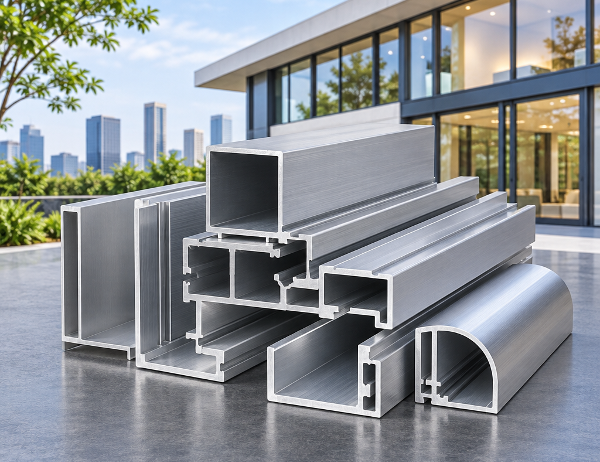
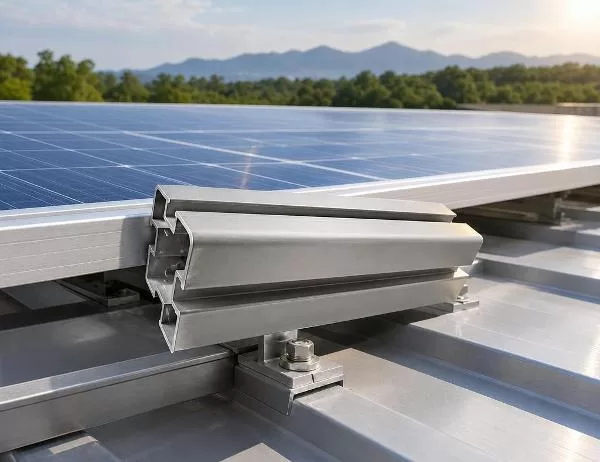
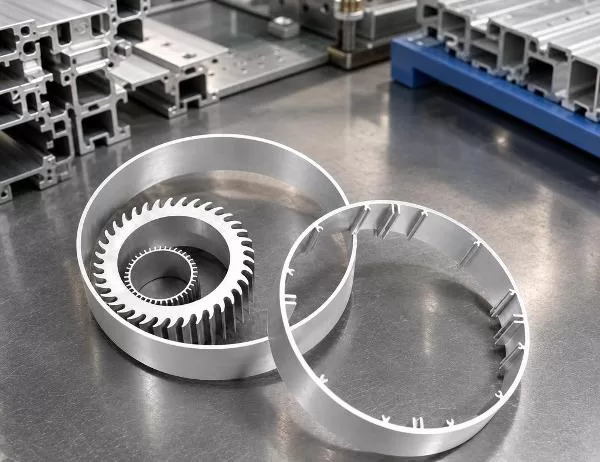
The global aluminum frame profile market is poised to witness exponential growth in the coming years, driven by the rising demand for lightweight and durable materials in various industries. Aluminum frame profiles are becoming increasingly prevalent in construction, automotive, transportation, and other sectors, owing to their superior properties and versatility. This article delves into the future trends shaping the aluminum frame profile industry, exploring advancements in design, manufacturing, and applications.
Digitalization and Automation
Digitalization is transforming the aluminum frame profile industry, enabling unprecedented levels of automation and efficiency. Computer-aided design (CAD) and computer-aided manufacturing (CAM) systems are being widely adopted to optimize design processes, streamline manufacturing, and reduce production costs. Advanced software and robotics allow for precise cutting, bending, and assembling of complex aluminum profiles, ensuring consistent quality and reducing the need for manual labor.
Sustainable Manufacturing Practices
Sustainability is becoming a key priority in the aluminum frame profile industry. Manufacturers are implementing eco-friendly practices to minimize their environmental impact. The use of recycled aluminum, energy-efficient processes, and innovative waste reduction techniques is gaining traction. Furthermore, the adoption of renewable energy sources, such as solar and wind power, is reducing the carbon footprint of aluminum production.
Customization and Personalization
The growing demand for customized and personalized products is driving innovation in aluminum frame profile technology. Manufacturers are offering a wide range of surface finishes, colors, and textures to meet the specific aesthetic and functional requirements of customers. Advanced printing and coating technologies enable the creation of unique and eye-catching designs, allowing architects, designers, and consumers to express their creativity and personal style.
Lightweight and High-Strength Materials
The development of new alloys and composite materials is pushing the boundaries of aluminum frame profile technology. High-strength aluminum alloys, such as 6000 and 7000 series, provide exceptional strength-to-weight ratios, making them ideal for applications where lightweight and durability are paramount. Additionally, composite materials, such as fiber-reinforced plastics (FRPs), are being integrated into aluminum frames to enhance structural rigidity and impact resistance.
Smart and Connected Profiles
The convergence of technology and materials is giving rise to smart and connected aluminum frame profiles. Sensors and actuators embedded into the profiles enable real-time monitoring of structural integrity, environmental conditions, and usage patterns. This data can be analyzed and transmitted to remote systems, providing valuable insights for predictive maintenance, safety monitoring, and energy management.
Conclusion
The future of aluminum frame profile technology is characterized by digitalization, sustainability, customization, lightweight and high-strength materials, and smart connectivity. These trends are shaping the industry, enabling manufacturers to create innovative and versatile products that meet the growing demands of diverse industries. The continuous evolution of aluminum frame profile technology promises to unlock new possibilities and drive further advancements in design, manufacturing, and applications.