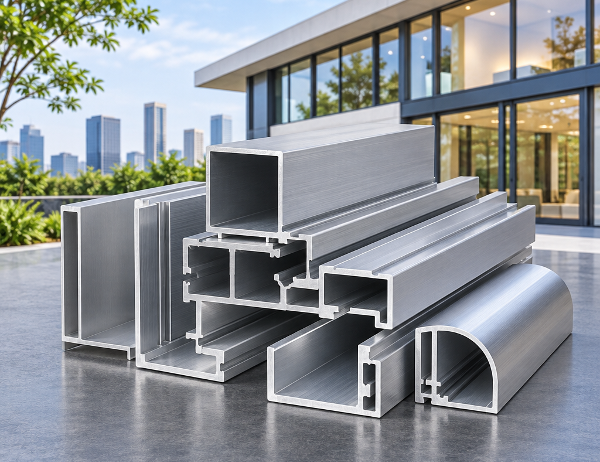
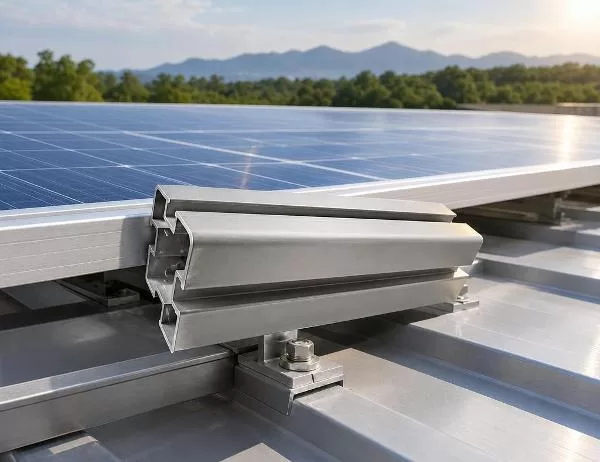
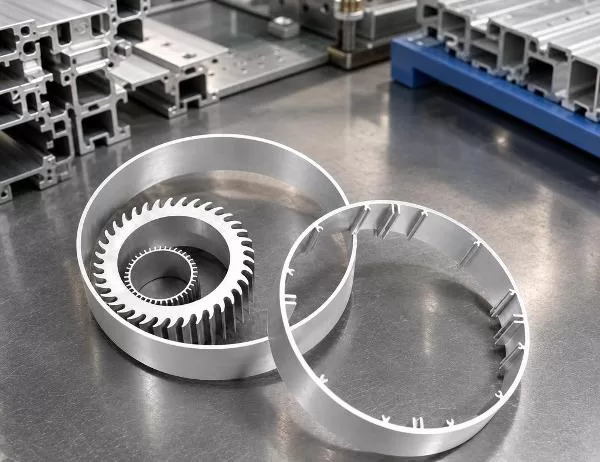
In the realm of manufacturing, extruded aluminum tubes have gained immense popularity for their versatility and wide-ranging applications. From construction and transportation to aerospace and medical devices, these tubes play a pivotal role in shaping our modern world. To gain a deeper understanding of their production process, let’s delve into the intricate steps involved in extruding aluminum tubes.
The journey begins with the preparation of aluminum billets, cylindrical blocks that serve as the raw material for extrusion. These billets are meticulously cleaned to remove any impurities and then coated with a lubricant to enhance the extrusion process.
The prepared billets are heated to an appropriate temperature, typically between 400 and 500 degrees Celsius. This heating process softens the aluminum, making it more malleable for the upcoming extrusion step. Additionally, the billets undergo a homogenization step, where they are held at a constant temperature to ensure uniform properties throughout.
The heart of the production process lies in extrusion, where the heated billets are pushed through a die. The die has a specific shape that dictates the cross-sectional profile of the extruded tube. As the aluminum flows through the die, it solidifies and takes on the desired shape. This process is repeated until the desired length of the tube is achieved.
Immediately after extrusion, the newly formed tubes are cooled to prevent them from warping or losing their shape. This cooling is typically achieved by spraying water or air onto the tubes. Subsequently, the tubes undergo a quenching process, where they are rapidly cooled to enhance their strength and hardness.
To further improve the mechanical properties of the tubes, they are subjected to aging and annealing treatments. Aging involves heating the tubes to a specific temperature and holding them at that temperature for an extended period. This process precipitates strengthening particles within the aluminum structure, increasing its strength. Annealing, on the other hand, involves heating the tubes to a high temperature and then slowly cooling them. This process softens the aluminum and enhances its ductility.
The final stage involves finishing processes such as cutting, bending, and straightening to meet the specific requirements of the intended application. Rigorous quality control measures are employed throughout the production process to ensure the tubes conform to the desired specifications and meet industry standards.
In conclusion, the production of extruded aluminum tubes encompasses a series of intricate steps, each playing a crucial role in delivering a high-quality, versatile product that meets the demands of numerous industries. Understanding these steps provides valuable insights into the capabilities and applications of this remarkable material.