Industrial aluminum profiles are versatile materials used in a wide range of applications, from construction to manufacturing. However, not all aluminum profiles are created equal. Different applications require different specifications, which is where customization comes in. This article provides a comprehensive guide on how to customize industrial aluminum profiles to meet specific needs.
Customizing industrial aluminum profiles involves modifying their specifications to suit specific requirements. This can include changing the profile’s dimensions, shape, surface treatment, and other characteristics. The customization process typically begins with a consultation between the customer and the manufacturer, where the customer’s needs are discussed in detail.
When customizing industrial aluminum profiles, several key factors must be considered:
Profile Design
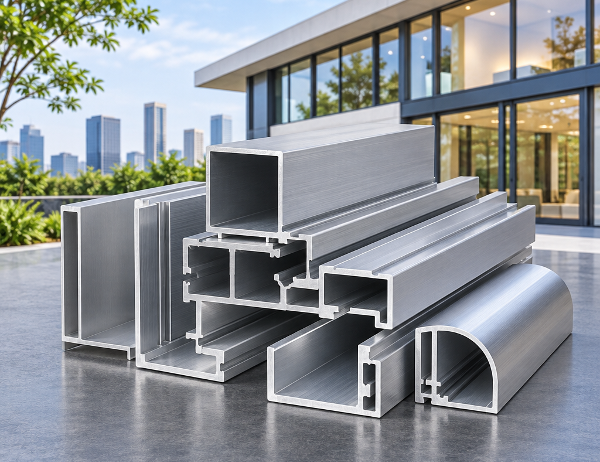
The profile’s design is crucial for determining its functionality. Factors to consider include the shape, size, and thickness of the profile. The design should be optimized for the intended application, whether it’s structural support, electrical insulation, or decorative purposes.
Extrusion Process
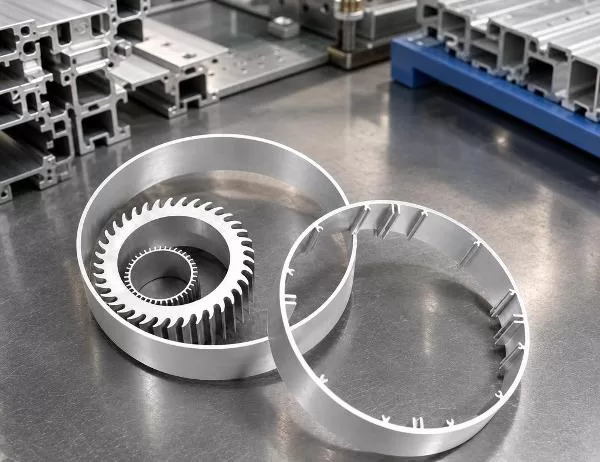
The extrusion process used to create the aluminum profile affects its strength and durability. Different extrusion techniques can produce profiles with varying tolerances, surface finishes, and mechanical properties. The choice of extrusion process should align with the specific requirements of the application.
Surface Treatment
Surface treatment enhances the appearance and durability of aluminum profiles. Common surface treatments include anodizing, painting, and powder coating. The choice of surface treatment depends on the desired aesthetic effect and environmental conditions.
Mechanical Properties
The mechanical properties of the aluminum profile play a significant role in its performance. Factors to consider include tensile strength, yield strength, and elongation. The profile should be designed to withstand the loads and stresses it will encounter in the intended application.
Customizing industrial aluminum profiles offers several advantages:
Improved Performance
Customized profiles can be tailored to meet specific requirements, ensuring optimal performance in the intended application. They can provide enhanced strength, durability, and resistance to environmental factors.
Reduced Costs
Customization allows for the optimization of profile design to minimize material waste and maximize efficiency. This can lead to significant cost savings in the long run.
Enhanced Aesthetics
Custom profiles can be designed with a variety of surface treatments and finishes to match the aesthetic requirements of the application. This provides flexibility in creating visually appealing and functional products.
Customizing industrial aluminum profiles is a valuable tool for achieving specific performance and aesthetic requirements. By understanding the customization process and key factors to consider, manufacturers can create aluminum profiles that are tailored to the unique needs of their applications. The benefits of customization include improved performance, reduced costs, and enhanced aesthetics, making it an essential step in the design and manufacturing process.